Practical Reggae Sound System Guide for Hobbyists and Small Promoters
A practical, step-by-step guide helps hobbyists and small promoters set up bass-forward reggae and dub sound systems while keeping sound clear and neighbor-friendly.
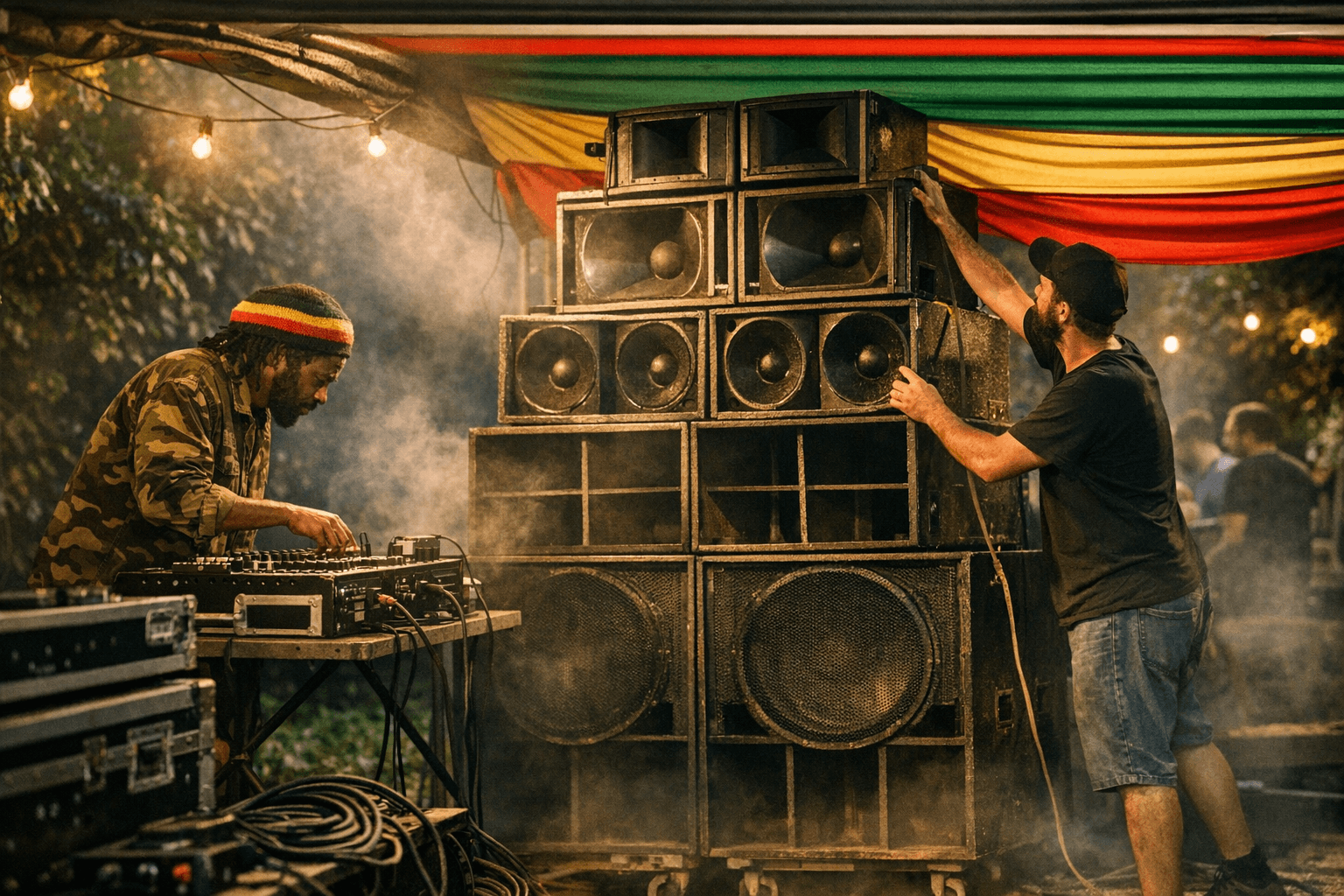
Getting the riddim right starts with gear and placement that respect both the tune and the room. For local shows or house parties, build around 12"-15" woofers and a reliable subwoofer - one sub for small rooms, two small subs for more even coverage in medium spaces. Choose active or passive powered PA speakers sized to the venue, and pair them with a 4-8 channel mixer that has EQ and aux sends. Add a 1-2 channel mic setup for MCs, a 7" or 12" turntable with a phono preamp for selectors who spin vinyl, and a laptop or device for digital playback. Include cables, mains distribution, basic stage monitors, and a small DI box for live instruments.
Placement makes or breaks a reggae session. Place sub(s) centered or slightly offset to even out low frequencies and reduce room modes. Put PA left and right speakers on stands, elevated and aimed slightly down at the audience rather than flush against walls. Keep the mixer in a secure, central spot with a clear view of stage and crowd so you can react to dynamics and complaints. Avoid jamming speakers into corners whenever possible; a little space behind a cabinet eases muddiness.
A focused soundcheck is essential. Run line checks for every channel and engage high-pass filters on non-bass channels in the 80-120Hz range to clear the low end. Use parametric EQ sparingly: hunt down and remove resonant frequencies before applying boosts. Set the sub crossover between 80-120Hz to blend with the mains and use a limiter to prevent clipping during heavy bass drops. These settings preserve the bass-heavy reggae aesthetic without turning everything into mud.
For performance, keep mids open between 500Hz and 2kHz to maintain vocal clarity. Scoop a little midrange for classic dub warmth while preserving presence so MCs and selectors cut through. Route reverb and delay to aux sends for dub-style echoes, and sync delay times to the tempo of the riddim for tight repeats. Use a separate effects send for sub and bass to preserve headroom and prevent low frequency wash from eating dynamics.
Safety, power, and neighbor relations matter as much as tone. Use reliable mains power with surge protection and UPS where practical, and plan circuits to avoid tripping breakers. Communicate curfew times and sound limits with venue managers before setup and monitor complaints in real time to avoid shutdowns. For occasional events, weigh renting against buying: beginner setups run roughly $1,000-$3,000, intermediate $3,000-$8,000, and pro rigs $8,000 and up.
Start with these practical choices and adjust for venue size, expected audience, and local noise rules. Tight setup and mindful tuning let you keep the bass heavy and the community happy, so the selector, MC, and neighbors all leave smiling.
This article was produced by Prism’s automated news system from verified source data, official records, and press releases, then run through automated quality and moderation checks before publishing. The system is built and supervised by the people who set the standards it runs under. Read our full AI policy.
Did this article answer your question?