Riddim Megamix episode 55 captures reggae’s latest sounds and voices
Episode 55 pulls reggae’s current pulse into one mix, from ganja tunes and sound system cuts to fresh riddims, veteran names, and rising voices.
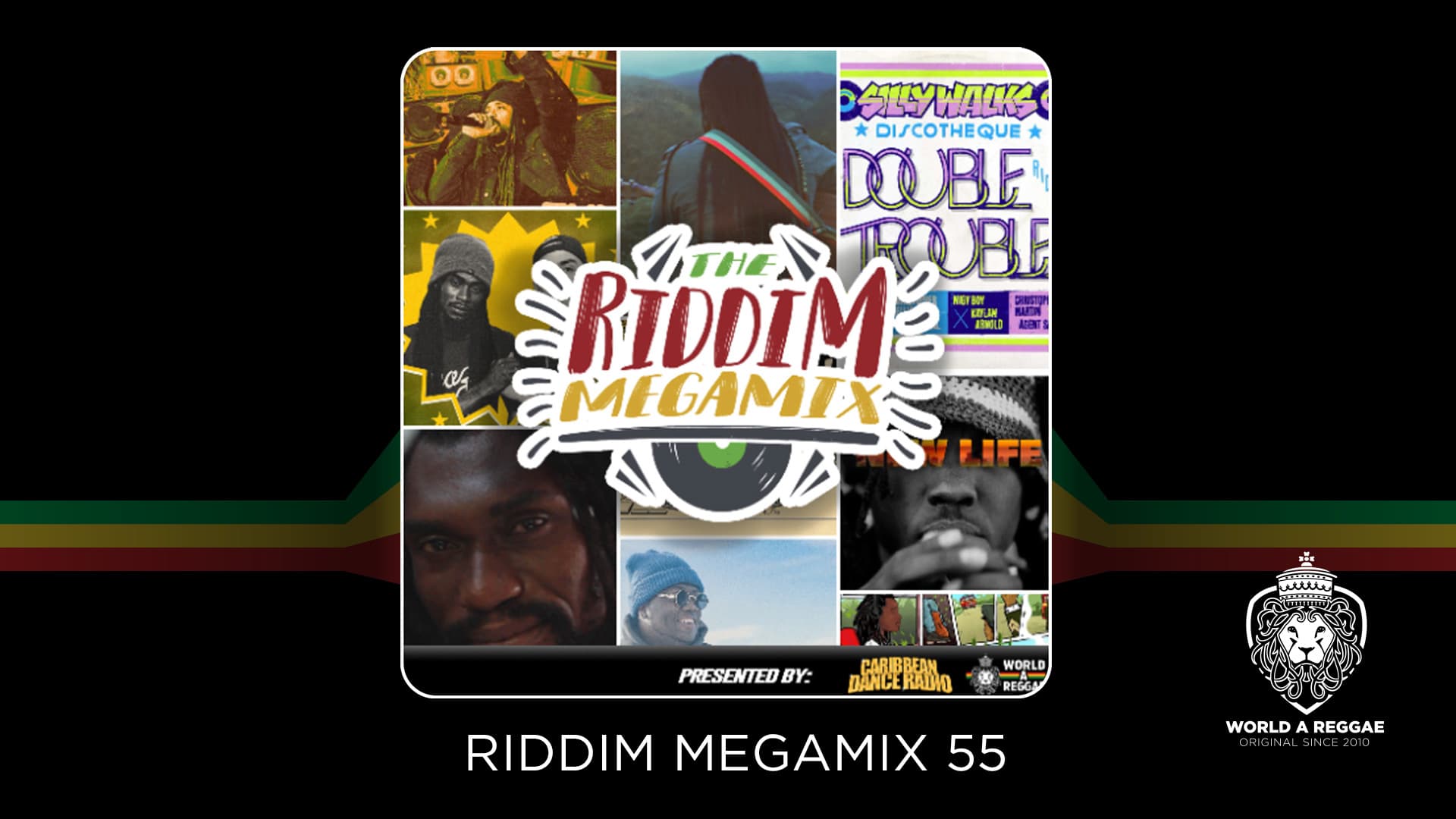
Riddim Megamix episode 55 lands as a sharp snapshot of what is moving through reggae, dub, and sound system culture right now. Released on June 16, 2026, it rolls together ganja tunes, sound system cuts, new riddims, and new voices, making it feel less like a single-artist showcase and more like a scene-wide dispatch.
What episode 55 is mapping
The strength of this mix is the way it holds different corners of the culture in one steady flow. World A Reggae frames the episode as a blend of ganja tunes, sound system cuts, new riddims, and fresh voices, and the tracklist backs that up with real variety rather than random name-checking. It is the kind of set that tells you what is circulating through reggae right now, not just what is familiar.
Two details stand out immediately. Silly Walks Discotheque brings eight artists across four tunes, which gives the episode a layered, collaborative feel, while Irie Yute steps in with a new riddim juggling that keeps version culture front and center. Those touches matter because they show how reggae’s current pulse is still driven by production, selection, and the art of reworking a riddim as much as by individual star turns.
The tracklist connects roots, dub, and modern reggae
The opening sweep of names already says plenty about the range here. Kumar Fyah, Buzzrock, Jhazahra, and Dahvid Slur & Riddims set a foundation that feels firmly plugged into the sound system lane, while Aza Lineage featuring Jesse Royal and Brandon Rootz brings conscious energy and intergenerational connection into the frame. Ka$E & Loud City adds another modern edge, and Stephen Marley anchors the mix with a name that still carries serious weight across roots reggae and its modern branches.
From there, the episode keeps moving through combinations that underline how collaborative the genre has become. Christopher Martin and Agent Sasco sit alongside Christopher Ellis and Jesse Royal, then J Boog and Busy Signal add another cross-current that reaches beyond one scene or one island. These pairings matter because they show reggae as a living network, where artists from different corners of the culture can still share the same riddim space without losing identity.
The second wave of names widens that picture even further. Mesh Marina, Bobby Hustle, Eesah, Ziggi Recado, Buju Banton, Blvk H3ro, Dalwayne, Medisun, Rik Jam, The Autos & Kxng Izem, Ras-I, and Irie Souljah all help turn the episode into a broad community map. There is no single lane here, and that is exactly the point: the mix moves across regions, generations, and production styles while keeping its reggae center intact.
Why the mix feels current instead of archival
Episode 55 works because it captures movement, not just memory. The presence of established figures like Stephen Marley and Buju Banton alongside Busy Signal, Christopher Martin, Jesse Royal, and a wave of newer or rising voices shows a scene where the same musical space is being shared across eras. That is one of the clearest signs of a healthy culture: the veteran names still matter, but they are not closing the door behind them.
The mix also points to what still holds the culture together. Conscious lyrics remain important, sound system energy is still central, and the push-pull between roots, dub, and modern reggae continues to define the moment. Even the way the tracklist is assembled suggests that reggae is not sitting still for a rewind, but constantly being reinterpreted by selectors, producers, and singers who understand the value of a hard-hitting cut and a well-placed combination.
For fans trying to keep up with the current pulse, that is where the usefulness of this megamix really comes through. It does not ask you to choose between old and new, heavyweight and emerging, roots and modern styles. Instead, it puts them in the same room and lets the connections speak for themselves. That makes episode 55 less like a recap and more like a working snapshot of where reggae, dub, and sound system culture are moving right now.
By the time the mix closes out, the takeaway is the same one it opens with: this is reggae in motion, powered by riddims, combinations, and voices that keep crossing over from one part of the culture to the next. Episode 55 captures that forward drift clearly, and that is what makes it worth hearing now.
This article was produced by Prism’s automated news system from verified source data, official records, and press releases, then run through automated quality and moderation checks before publishing. The system is built and supervised by the people who set the standards it runs under. Read our full AI policy.
Did this article answer your question?