Riddims Unpacked: A Practical Guide for Reggae Producers and DJs
Riddims are the beating heart of reggae, dancehall and related Caribbean styles, and understanding them changes how you collect, DJ, produce and enjoy the music. This practical primer explains what a riddim is, how core subgenres and tempos shape production choices, and concrete steps you can use to build, mix and preserve riddims in both vinyl and digital formats.
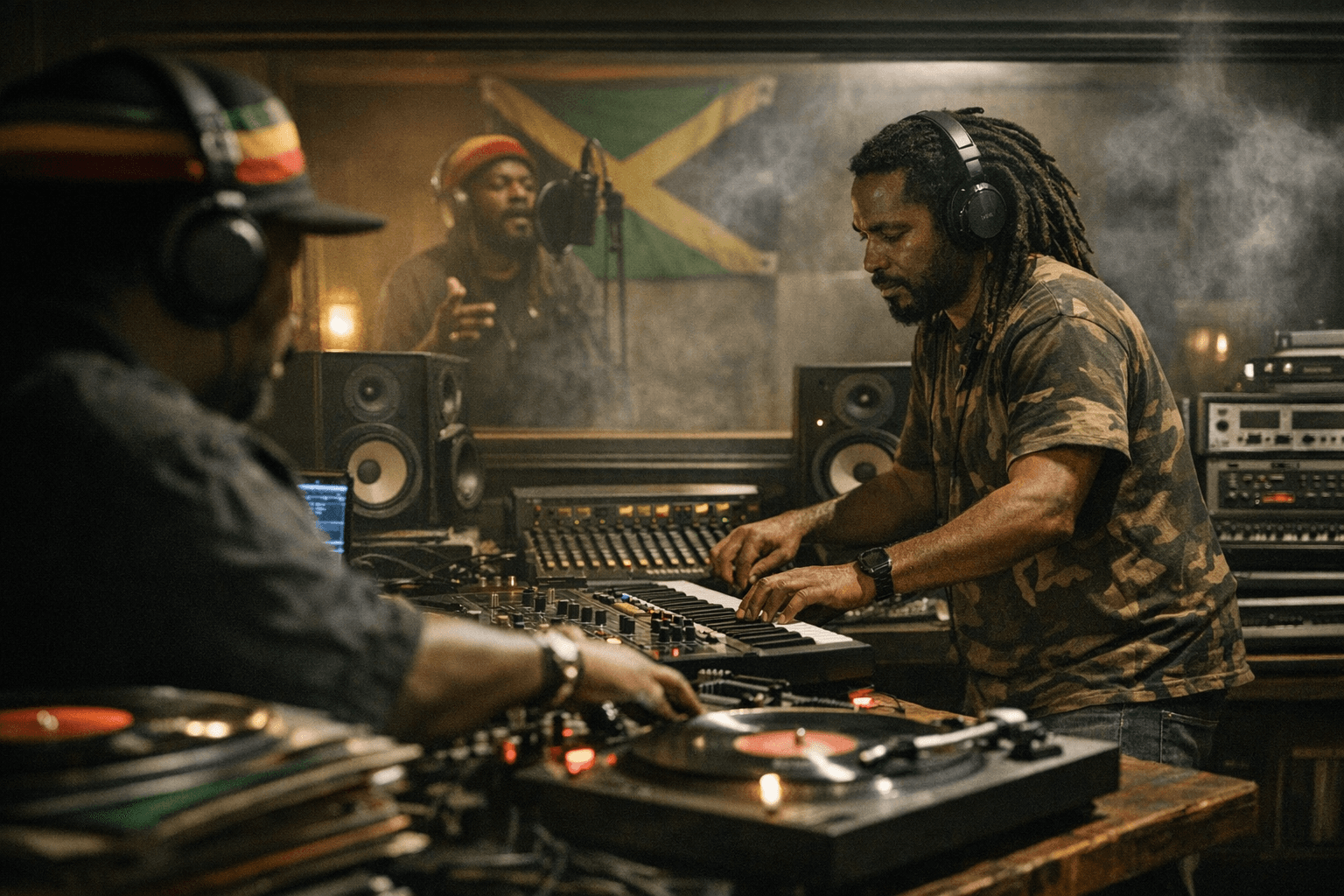
Riddims are Jamaican patois for rhythm, instrumental backing tracks built around drums and bass that multiple artists record different songs over. That simple concept drives whole careers, sound-system culture and record-collecting practices, so grasping riddims is essential if you produce, DJ, collect or curate reggae. Start with the bass: the melody of reggae lives there. Use a round, warm tone with gentle compression and analog saturation for classic character, then set drums around a one-drop or steppers pattern depending on the vibe.
Tempo and subgenre shape almost everything. Rocksteady sits around 68–78 BPM with smooth, singsong basslines and ties to late 60s studios such as Studio One and producers like Coxsone Dodd. Roots and one-drop music typically runs 70–80 BPM with a snare or accent on beat three. Rub-a-dub from the early 80s expands to about 72–90 BPM, favoring sparse loops and toasting. Modern dancehall often runs 90–110+ BPM, uses digital synths and drum machines, the Sleng Teng riddim is the canonical digital example. Lovers Rock sits between 68–85 BPM with romantic melodies and smoother arrangements.
Arrangement elements are predictable but flexible: dominant melodic bass, drums using one-drop, steppers or rockers patterns, skank guitar or keyboard on the off-beat, organ bubbles or sustained keys, and percussion such as rimshots, shakers and congas. Keep space so vocals and dub effects can breathe. In mixing, carve midrange room for vocals, emphasize sub-bass, and use sidechain or careful EQ to stop frequencies from clashing.
Producers typically start with bass and drums, add off-beat skank guitar or keyboard, then sprinkle percussion and fills. Tasteful use of tape-style delays, spring reverb emulation and automated dub effects turns a simple backing into a dub or instrumental version. To make a dub, automate delay feedback, filter cutoffs and drop instrument channels to create tension and release.
Riddims are often released as collections where multiple singers' versions appear on 7" or 12" pressings or digital packs. DJs get the most mileage by playing vocal versions back-to-back with dub or instrumental takes to spotlight the riddim. Beatmatch around the 68–100 BPM range for roots to modern dancehall and favor small pitch shifts for smooth transitions. Consider harmonic compatibility but remember reggae prioritizes groove over strict key rules.
For collectors, original 70s and 80s pressings can be rare; inspect matrix and runout etchings to confirm editions. For modern releases, check producer Bandcamp pages for high-quality downloads from labels and makers such as Zion I Kings, Sinky Beatz, Bebble Rock and Giddimani. Listen to foundational riddims like Sleng Teng, Real Rock, Stir It Up, Tenement Yard and Satta Massagana to train ears for patterns and versions. If you want a printable cheat-sheet or a starter sample pack for DAW use, I can expand this primer into production presets and playlists you can drop straight into sessions.
This article was produced by Prism’s automated news system from verified source data, official records, and press releases, then run through automated quality and moderation checks before publishing. The system is built and supervised by the people who set the standards it runs under. Read our full AI policy.
Did this article answer your question?