Rita Marley deepens Ghana roots with foundation and citizenship
Rita Marley made Ghana more than a home, winning dual citizenship in 2013 and building a foundation footprint from Accra to Konkonuru.
Rita Marley turned a decades-long bond with Ghana into something tangible: citizenship, a permanent base in Accra and a foundation agenda that reaches from clean water to primary schools in Konkonuru. For reggae devotees, that makes Ghana more than a place she lives. It becomes part of the Marley story itself.
Rita Marley, who moved to Ghana with Bob Marley’s family in the 1990s, was granted Ghanaian dual citizenship in 2013 and received a Ghanaian passport and citizenship documents. Her Ghanaian name is Nana Afua Abodea, also reported as Nana Afua Adobea, a title that reflects how fully she has been absorbed into the cultural life of the country. Reports also say Studio One in Accra was created in memory of Bob Marley, giving her presence there a direct musical address rather than just a residential one.

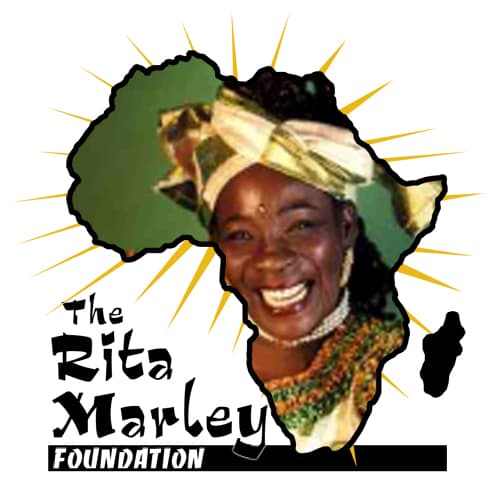
That physical footprint is matched by her philanthropy. The Rita Marley Foundation says it was founded in 2014 and works to alleviate poverty while improving education, health and nutrition, with special attention to the elderly, women and children. In Konkonuru, near Aburi, the foundation says its Ghana programming has helped with safe and clean water, road repairs, health-center support and primary education needs.
The Konkonuru work is especially rooted in Rita Marley’s long view of community care. The foundation says she built the Alpha & Omega Home for the Aged there in 2000, years before the formal launch of the foundation. That detail gives her Ghana life a sense of progression: first the personal commitment, then the institution, then the wider network of support that followed.
Rita Marley’s public profile has always stretched beyond widowhood. Her foundation identifies her as founder and chairperson of the Bob Marley Foundation, Bob Marley Museum, Tuff Gong International and the Rita Marley Foundation, linking her Ghana chapter to a transnational Marley legacy that still moves through music, memory and institutions. Even her solo catalog carries that reach. Billboard lists “One Draw” as peaking at No. 48 on the Dance Club Songs chart and spending six weeks there, a neat reminder that Rita Marley was already a charting artist long before she became one of reggae’s most visible cultural bridge-builders.
In Ghana, Rita Marley did not simply settle. She built a living connection between Jamaica and Africa, and she made that connection visible in a passport, a studio name, and a foundation that keeps returning to the same idea: home can be a place, a mission and a legacy at once.
This article was produced by Prism’s automated news system from verified source data, official records, and press releases, then run through automated quality and moderation checks before publishing. The system is built and supervised by the people who set the standards it runs under. Read our full AI policy.
Did this article answer your question?