SeatGeek Reggae Fest spans spring and summer 2026 city dates
Reggae Fest is spreading from casino Sunday passes to arena nights across six cities, and the hottest tickets look tied to Alkaline and the Atlanta all-star bill.
Reggae Fest is everywhere right now
The SeatGeek Reggae Fest page reads like a pulse check on the whole spring and early summer circuit: Lake Charles on April 26, Los Angeles on May 1, Miami on May 22, Atlanta on May 23, Philadelphia on June 13, and New York on June 20. That is a busy stretch for one branded series, and it tells you this is not a single weekend festival so much as a traveling reggae and dancehall property moving from casino floors to theaters, arenas, and a rooftop finale.
What stands out immediately is how different the stops feel from one another. L’Auberge Du Lac Casino Lake Charles is selling a Sunday Pass, while The Belasco in Los Angeles suggests a tighter club-theater atmosphere and the arena dates in Miami, Atlanta, and Philadelphia point to the kind of scale that usually comes with bigger production, bigger bills, and tighter pricing bands. The Rooftop at Pier 17 in New York adds yet another mood entirely, with the waterline setting giving the series a more upscale, late-summer feel even though it lands in June.
The spring calendar is packed, not padded
The official Reggae Fest site makes clear that the SeatGeek page is only the front end of a larger brand family. The 2026 slate includes Reggae Fest x New Rules, Reggae Fest Massive ATL, Reggae Fest Blaze, and Yacht Fete, which means the brand is building a rolling calendar instead of relying on one flagship night. It also stretches beyond spring and early summer: an October 10 Miami Carnival Weekend date at Wynwood Marketplace featuring Aidonia shows that the season keeps going well after the June run ends.
That matters for fans trying to decide whether to buy now or wait. This is the kind of calendar that can tempt people into assuming there will always be another date nearby, but the spread across cities, venues, and branded concepts makes each stop its own ticket decision. If you want one specific bill, one specific venue, or one specific city, this is the moment to lock it in rather than hoping the same package will reappear later.
Where demand looks strongest
The clearest pressure points are the star-driven arena shows. In Miami, the Kaseya Center event on May 22 is Reggae Fest featuring Alkaline, with doors at 7:00 p.m. and showtime at 8:00 p.m. In Philadelphia, Live Nation lists Reggae Fest Presents Alkaline at Xfinity Mobile Arena on June 13 at 8:00 p.m. Those two stops share the same headliner identity, and that kind of repeat billing usually creates the most urgency because fans in multiple cities are chasing the same artist-led show.
Atlanta also looks hot on the page for a different reason: Reggae Fest Massive ATL at State Farm Arena on May 23 brings a stacked lineup with Mavado, Busy Signal, Beenie Man, Spice, Elephant Man, Ding Dong, Vanessa Bling, Serani, Tony Matterhorn, and T.O.K. That is the kind of multi-artist bill that pulls across generations and sub-scenes, from dancehall loyalists to fans who want a broad night of hits and clashes in one room. The SeatGeek pricing examples reinforce the picture, with the Lake Charles Sunday Pass starting at $73 and other listings showing starting prices of $99, $107, $97, and $88, which suggests the larger market and larger venue dates are already sitting in higher ticket bands.
Separate the names before you buy
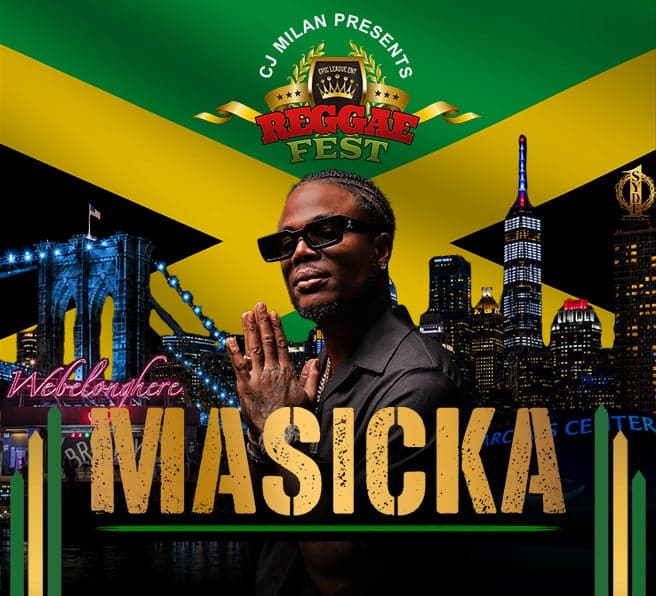
This is where the confusion really starts, and it is the part that could save you money, time, and a very frustrating booking mistake. “Reggae Fest” is not just one thing here. On the official promoter side, it is an ongoing branded series under CJ Milan and Reggae Fest, LLC, with multiple event families attached to the name. On venue pages, the brand becomes more specific: Reggae Fest featuring Alkaline in Miami, Reggae Fest Massive ATL in Atlanta, and Reggae Fest Presents Alkaline in Philadelphia.
The Miami show is especially important to distinguish. Miami & Miami Beach describes the May 22 Kaseya Center date as part of the ongoing collaboration between CJ Milan’s Reggae Fest brand and Alkaline’s New Rules concert series. That means the Miami night is not just a generic festival appearance, but part of a repeatable promoter-artist partnership. If you are comparing listings, the exact words in the event title matter: one page may emphasize the brand, another may emphasize the artist, and another may frame the show as part of a wider series.
The lineups tell you which dates are built for the heaviest pull
Not every stop on the page is built the same way. The Los Angeles date at The Belasco, the Lake Charles Sunday Pass, and the New York rooftop show feel more like distinct brand touchpoints, while Miami, Atlanta, and Philadelphia are the dates with the clearest blockbuster energy. Alkaline anchors Miami and Philadelphia, while Atlanta packs in a veteran-heavy roster led by Mavado, Beenie Man, and Spice, which is a serious signal that the night is meant to draw deep across the dancehall crowd.
That mix of formats is part of why the page reads like a live market map. You can see where the brand is testing scale, where it leans into premium venue economics, and where it is offering a more accessible entry point. The Lake Charles Sunday Pass at a casino is the opposite of an arena night, and that contrast is exactly the point: the brand is reaching different pockets of the audience without abandoning its core identity.
How to read the calendar like a buyer
A few quick checks keep the booking straight:
- Match the city first, then the venue. Miami means Kaseya Center, Atlanta means State Farm Arena, Philadelphia means Xfinity Mobile Arena.
- Read the event title closely. “Reggae Fest,” “Reggae Fest Massive ATL,” and “Reggae Fest Presents Alkaline” are not interchangeable.
- Compare the headliner before you compare the price. Alkaline-led nights and the Atlanta all-star bill are the ones that look most likely to tighten up first.
- Watch the venue type. A casino Sunday Pass, a theater show, an arena date, and a rooftop concert all point to different crowd sizes and different ticket patterns.
The bigger story is simple: reggae’s live economy is not resting on one annual festival weekend anymore. It is moving through spring and into summer as a branded touring circuit, with premium packages, venue-specific bills, and enough city-to-city momentum that the smartest move is to treat every stop as its own event.
This article was produced by Prism’s automated news system from verified source data, official records, and press releases, then run through automated quality and moderation checks before publishing. The system is built and supervised by the people who set the standards it runs under. Read our full AI policy.
Did this article answer your question?