Sheila Lee remembered as a quiet force behind Jamaican music
Sheila Lee kept Byron Lee’s empire running offstage, from copyright education to publishing and touring, helping Jamaican music last beyond the bandstand.
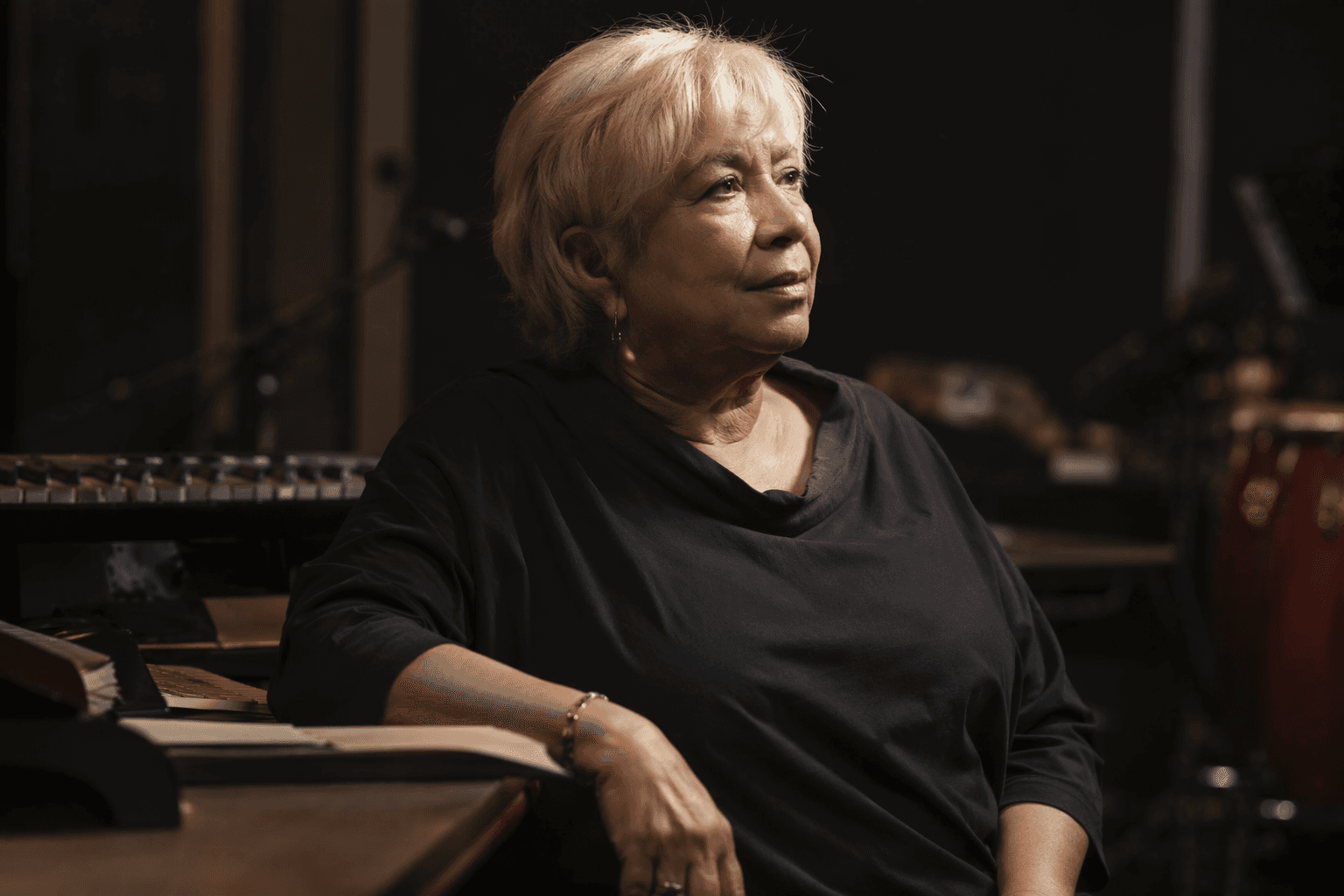
Sheila Lee’s death in Florida at 83 has brought a quieter kind of Jamaican music history into view, the kind built by the people who handled the work after the lights went down. Behind Byron Lee and the Dragonaires, she was the steady business mind that helped turn a bandstand success into something durable, organized, and worth protecting.
The woman behind the operation
Sheila was not just Byron Lee’s wife, she was part of the architecture of the whole enterprise. Born Sheila Khouri in Kingston into a Lebanese-Jamaican family, she came up in a network of families that were already woven into the island’s music business, with ties that ran through the Nasrallas and to Ken Khouri, founder of Federal Records. She was the eldest of 10 children of Michel and Lily Khouri, and that background helps explain how naturally she moved between family, music, and commerce.
Sheila met Byron through the Nasrallas and became part of the Dragonaires’ world during the ska craze of the early 1960s. That era was as much about social scene and dancefloor energy as it was about the band itself, and Sheila was there for the machinery behind the moment, not just the applause. Her marriage to Byron lasted 41 years, and together they raised two children, Julianne and another daughter in the family story that surrounded the Lees’ public life.
Copyright, publishing, and the work of making music last
What sets Sheila apart is how often she seems to have recognized the parts of the business that most fans never see. Her daughter Julianne has said Sheila helped formalise copyright and intellectual property by bringing Paul Marshall from New York to teach artistes at Dynamic Sounds, a decision that points to real foresight. Marshall was the American entertainment lawyer credited with introducing international copyright to the Jamaican music industry in the 1960s, and bringing that kind of expertise into the room was a practical move with long-term consequences.
That same practical streak ran through Sheila Music, her publishing company. Publishing is where songs stop being only performances and start becoming assets, catalog items, and family property, and Sheila understood that side of the business well enough to build her own structure around it. In a scene that often celebrates the singer, the bandleader, or the producer, Sheila was helping define who owned what, who got paid, and how the music could keep earning after the show ended.
Julianne also said Byron was able to tour 45 weeks a year because Sheila was the anchor and point of contact. That detail says almost everything about her role. Touring at that scale takes more than talent, it takes someone keeping schedules, relationships, and logistics from falling apart, and Sheila was the one making that possible while the frontman stayed out front.
Dynamic Sounds and the business discipline that held it together
Sheila’s influence was tied directly to Dynamic Sounds, the recording and business base Byron Lee built after buying West Indies Recording Limited, or WIRL, in 1968 and renaming it Dynamic Sounds. That move gave the Lees a major recording and distribution hub, and later links with Atlantic Records made the operation even more important within and beyond Jamaica. The business was no side project. It was one of the structures that helped Jamaican music travel.
Tommy Cowan remembered Sheila as someone whose discipline and business skills helped Dynamic Sounds thrive. He also noted her support for Christmas reggae albums and other productions, which shows how hands-on she was with the release schedule and the kinds of projects that kept the operation moving year-round. Those are the details that matter when you are tracing how a legacy survives: not just the hit songs, but the steady work of building a catalog, a label identity, and a reliable pipeline for new records.
That is what makes Sheila Music, Dynamic Sounds, and the copyright push feel connected rather than separate. She was operating in the space where publishing, recording, and rights management meet, and she treated them as part of the same mission. For reggae history, that is not a footnote. It is the infrastructure.
Why her legacy matters to reggae history
Sheila Lee’s passing is also a reminder that Jamaican music has always depended on more than its stars. The scene remembers performers first, but its survival depends on administrators, publishers, lawyers, and family operators who keep the catalog in order and the money flowing. Sheila’s life shows how much of reggae’s endurance was built by people who worked in the background without needing the spotlight.
That wider legacy belongs to Byron Lee too. His funeral in 2008 drew tributes from figures such as Ben E. King and Ronald Thwaites, a sign of how deeply he had been woven into Jamaican and international music circles. By 2017, he was being described as a musical pioneer who helped put Jamaica on the world stage, and Sheila’s work sits inside that same story, because no lasting music empire is built by stage presence alone.
Her death in Florida at 83 closes a chapter, but it also clarifies one. The reason Byron Lee’s name still carries weight is not only because of what he performed, but because someone close to the center made sure the business outlived the performance. Sheila Lee was that person, the quiet force who helped turn a band’s success into a legacy the island can still hold onto.
This article was produced by Prism’s automated news system from verified source data, official records, and press releases, then run through automated quality and moderation checks before publishing. The system is built and supervised by the people who set the standards it runs under. Read our full AI policy.
Did this article answer your question?