Wayne Wonder and Spragga Benz bring Kingston dance culture to South Florida
Wayne Wonder and Spragga Benz are turning a South Florida show into a test case for dancehall’s next leap. Their Kingston-born argument is that live diaspora events still move the culture fastest.
Veterans set the terms
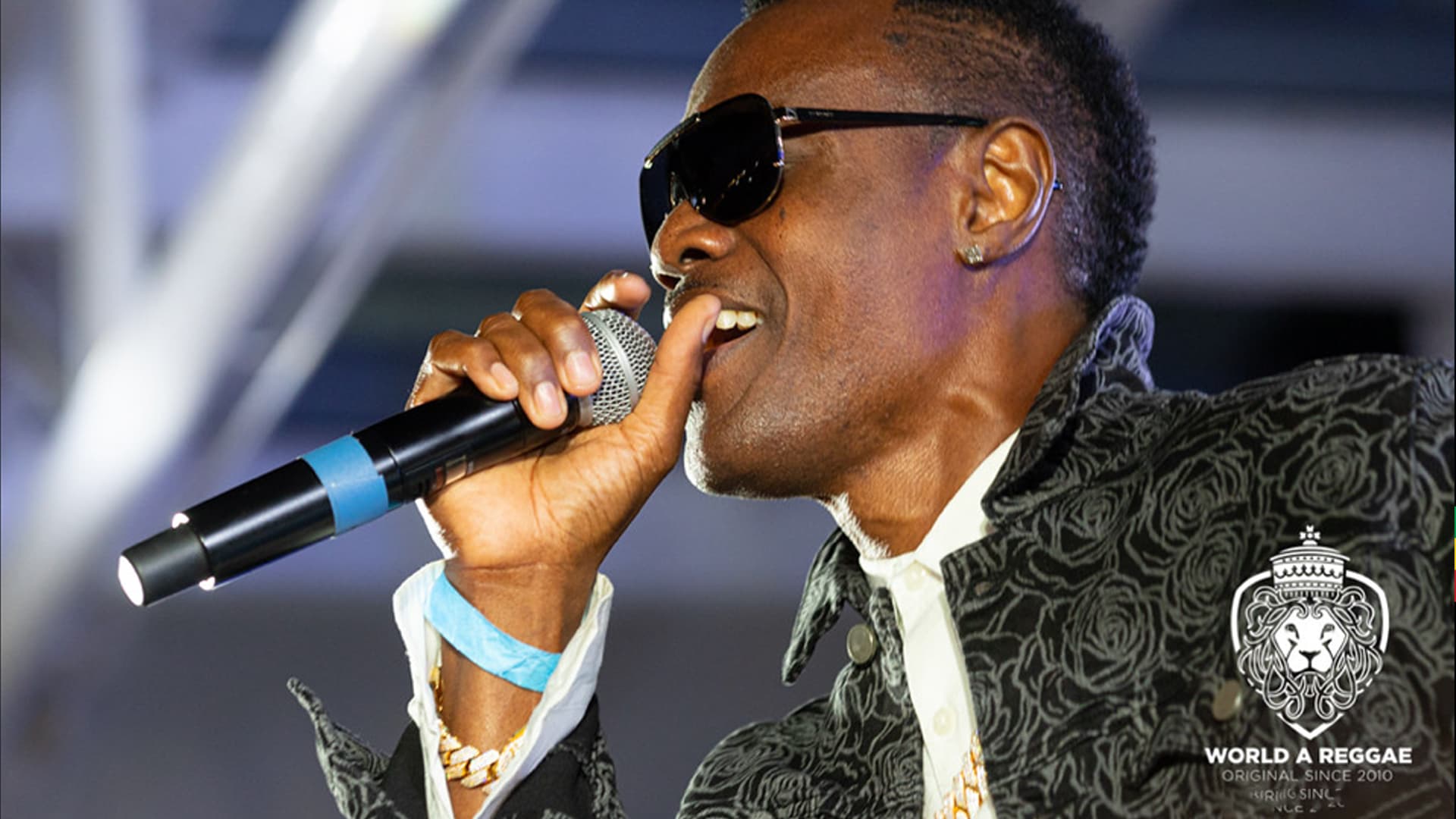
Wayne Wonder and Spragga Benz do not need to prove they understand dancehall. Their upcoming *Journey to Kingston* appearance in South Florida lands with the weight of two artists who came up inside the culture, not beside it, and that is exactly why the conversation around the show matters. In their interview, the event is framed as something bigger than concert promotion: a chance to measure whether dancehall’s next global push is being powered by live diaspora spaces as much as by streaming chatter.
The pitch is simple but loaded. Spragga Benz says the goal is to capture both the raw energy and the sophistication of Kingston’s music scene, while Wayne Wonder cuts through the language and says they are bringing Kingston to South Florida. That framing turns the performance into a reality check, not a nostalgia trip. If the culture can travel with its full atmosphere intact, then the export story is about more than numbers on a screen.
What a Kingston dance really means
The point of *Journey to Kingston* is not just to run through hit records. It is meant to recreate the feel of a true Kingston dance, with food, sound systems, fashion, and the kind of community energy that made Jamaican parties feel culturally complete. That matters because dancehall has always been more than a genre label. It is a social system, a sound, a look, and a way of gathering.
That distinction is part of why the show resonates in South Florida. A concert can book talent, but a dance can carry memory, style, and neighborhood code. The veterans’ argument is that the audience should not just hear dancehall, they should feel the architecture that built it.
The old-school education behind the music
The interview also reaches back to the way both men learned. They talk about moving between dances, spending time around studios, and absorbing sound system culture before they were known internationally. That education is not trivia. It is the foundation of how dancehall learned to speak in public, compete in real time, and stay connected to everyday life in Jamaica.
Dancehall grew out of Jamaica’s sound system tradition and became the island’s dominant popular music in the 1980s and 1990s. Britannica traces its roots back to late-1960s toasting, a lineage tied to U-Roy, while figures such as King Tubby stand in for the generation that understood music as a live, competitive, community-based culture. In other words, the music’s global life began locally, in spaces where audience reaction was part of the performance.
That history is why the South Florida show carries more weight than a standard booking. When Wayne Wonder and Spragga Benz talk about Kingston, they are not invoking a brand. They are describing a living format that was built in yards, dances, and sound clashes long before it was packaged for export.
Dubplates, pressure, and the business that changed
One of the strongest parts of the conversation is the reminder that dancehall has always tested skill under pressure. The pair discuss dubplates, the custom recordings that once measured whether an artist could deliver in a single take with something at stake. In that world, a bad run was not hidden by edits, and a great one could turn into reputation fast.
That older discipline sits in sharp contrast to the current release landscape. Wayne Wonder notes how expensive and slow music promotion used to be, while social media now lets songs travel instantly. The speed has changed, but the standards have not. The interview makes a clear case that talent, consistency, and discipline still decide who lasts, regardless of platform.
This is where the story stops being sentimental and starts sounding like strategy. Dancehall does not need to pretend the digital era never happened. It just needs to prove that the live culture behind the records still has enough force to matter when the music leaves the yard.
Why the Grammy conversation keeps coming up
The interview’s deeper cultural claim is that dancehall deserves more formal recognition for its history and global influence, including a Grammy category of its own. That argument gains force when you place it beside the recording industry’s existing framework. The Recording Academy says GRAMMY ballots are cast by voting members and governed by official rules and guidelines approved by its Board of Trustees, and reggae already has its own Best Reggae Album category.
That category dates to 1985, when it was originally called Best Reggae Recording, before being renamed Best Reggae Album in 1992. The larger point is not just about naming, but about visibility. If reggae has a dedicated lane inside the awards system, the case being made here is that dancehall’s history and reach have earned one too.
South Florida as proof, not just backdrop
South Florida is not an accidental setting for this conversation. In February 2026, the City of Lauderhill honored Spragga Benz, Wayne Wonder, Busy Signal, Beenie Man, and Vybz Kartel with Humanitarian Ambassador Awards during a special commission meeting tied to International Reggae Month. That recognition shows how Jamaican music figures continue to function as cultural ambassadors well beyond entertainment.
Put that together with *Journey to Kingston*, and the message is hard to miss. South Florida is not just consuming dancehall, it is helping stage its public life, from civic honors to live performances that try to restore the dancehall atmosphere in full. For a genre whose strength has always been community energy, that kind of diaspora stage may be the clearest evidence of where the next leap can happen.
Wayne Wonder and Spragga Benz are not asking anyone to mistake a concert for the whole culture. They are doing something sharper: bringing Kingston to South Florida and using that room to test how far dancehall can travel when the live spirit, the history, and the discipline all show up together.
This article was produced by Prism’s automated news system from verified source data, official records, and press releases, then run through automated quality and moderation checks before publishing. The system is built and supervised by the people who set the standards it runs under. Read our full AI policy.
Did this article answer your question?