What is the one-drop rhythm that defines reggae?
Beat 1 drops out, the kick and snare hit together on 3, and Carlton Barrett turned that space into reggae's signature feel.
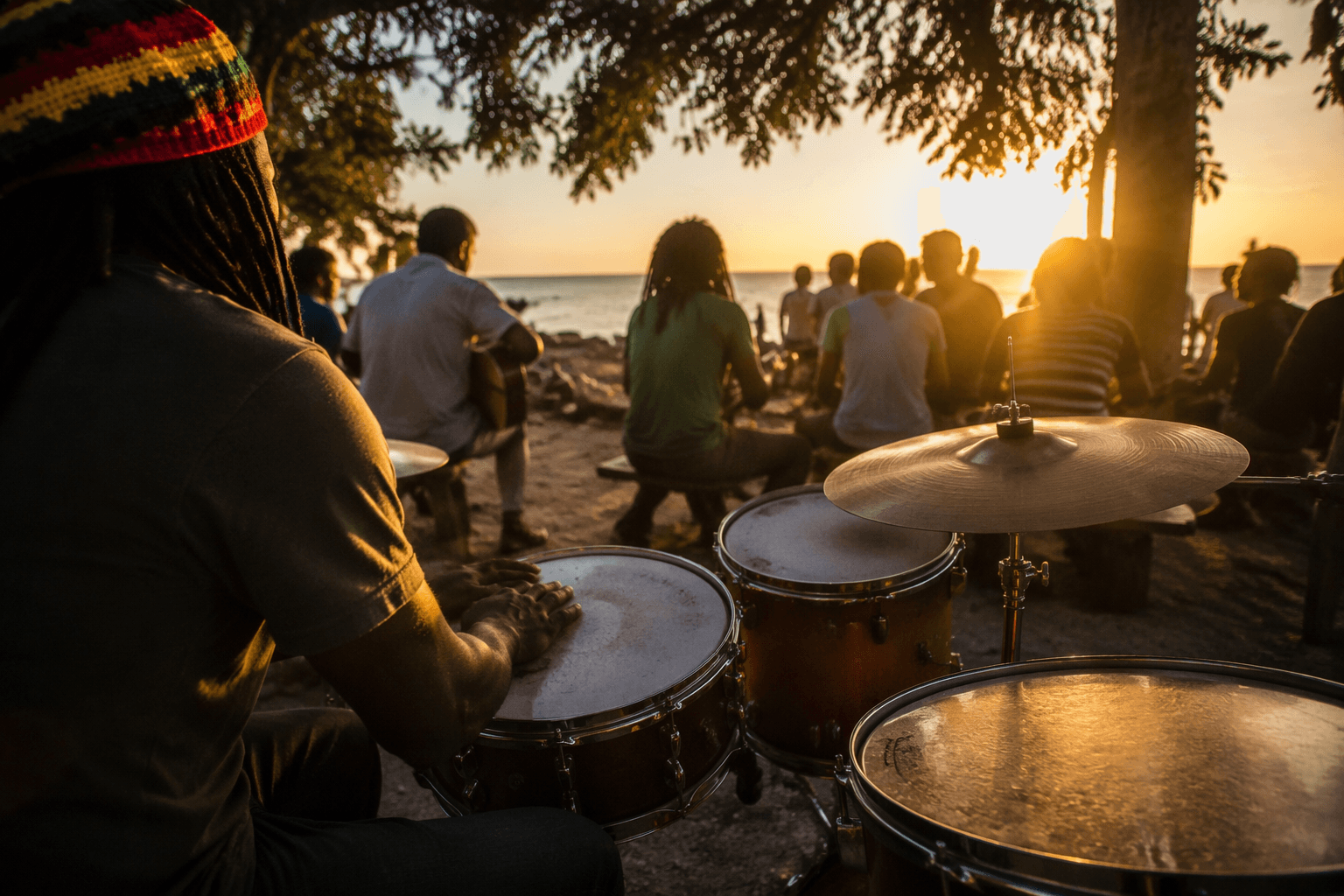
Put on Bob Marley & The Wailers' "One Love," "Stir It Up," or "Get Up, Stand Up," and count straight through the bar: 1-2-3-4. In the one-drop, nothing lands on beat 1, then the kick and snare strike together on beat 3, so the groove feels like it is leaning back instead of pushing forward. That empty first beat is the drop.
Hear the missing beat
The one-drop is reggae's signature drum pattern, and Bass Culture Music Magazine calls it reggae's most important rhythm. The trick is simple in 4/4 time: the drummer leaves the downbeat open, then centers the pocket on 3, which pulls the emphasis away from the obvious start of the bar. The rhythm feels spacious rather than busy, even when the band is playing hard.
If you are listening for the first time, focus less on what is hitting and more on what is not. The silence on 1 creates room for the rest of the band to breathe, and that breathing room is a huge part of the reggae feel.
What the rest of the band is doing
The one-drop does not work alone. Reggae arranging usually puts offbeat guitar and keyboard comping around that drum pocket, while the bass line stays melodic and forward in the mix. That combination makes the style feel laid back without losing pressure, because the groove is carrying weight even when the drummer is holding back.
Beginner drum lessons often add hi-hat or ride accents on the offbeats to keep the pulse moving, and Mike Barnes uses side-stick snare and bass drum phrasing on 2 and 4, or on 3 as sometimes counted in reggae, with eighth notes on the hi-hat accented on the offbeats. Those variations do not change the core idea: the standard one-drop still places the main drum accent on 3, with the offbeats helping you feel the flow around it.
Carlton Barrett made the template
Carlton Barrett of Bob Marley & The Wailers popularized the one-drop. Carlton "Carly" Barrett's style became a template for reggae drummers around the world. His approach is also connected to sacred nyabinghi drumming translated onto the drum set, linking the beat to a deeper Jamaican musical lineage.
Reggae developed in Jamaica in the late 1960s, and Merriam-Webster lists 1968 as the first known use of the word "reggae." The one-drop sits inside that period rather than arriving later as an add-on to the genre.
Try the pattern yourself
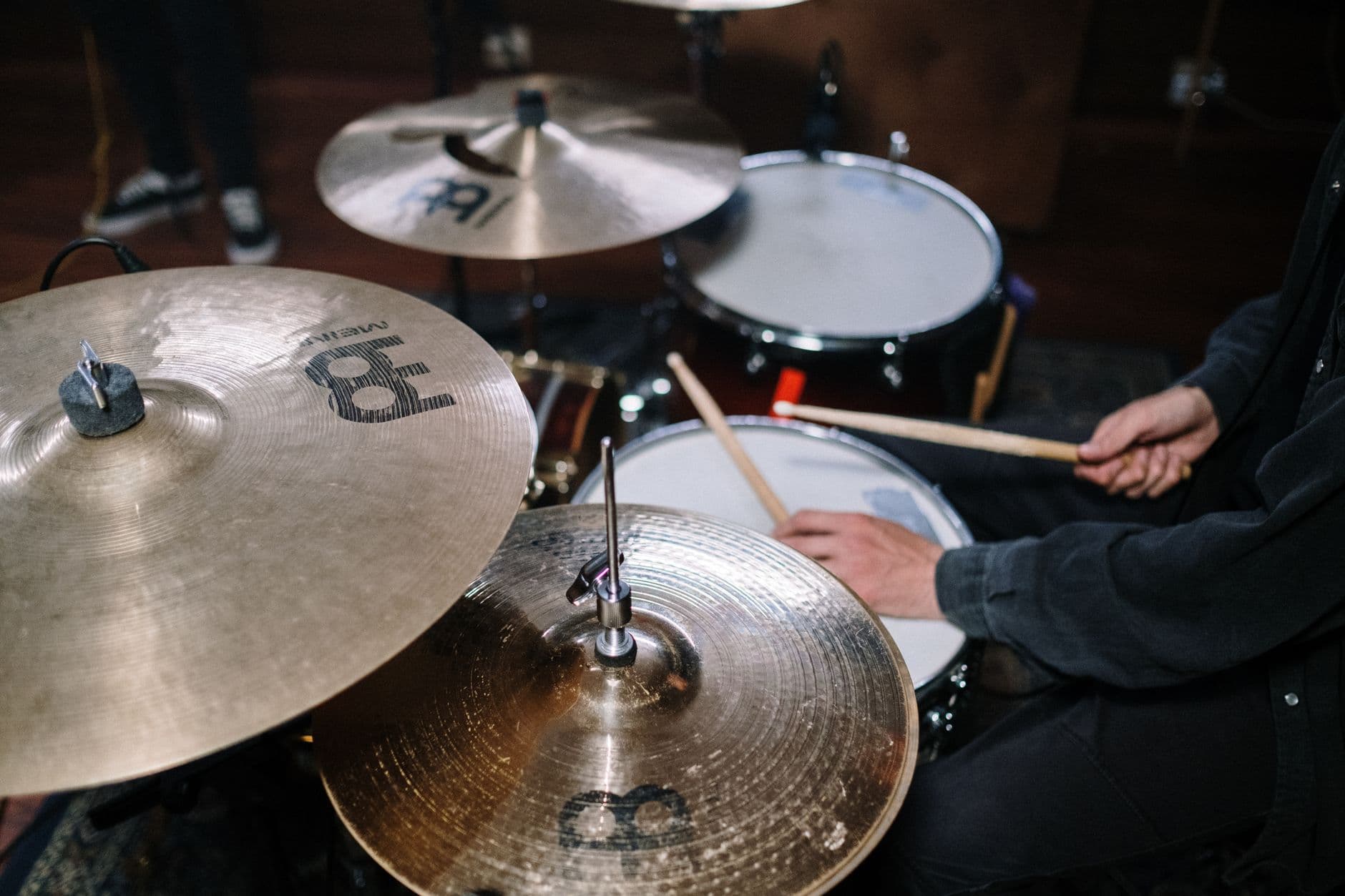
You can test the feel in under a minute without a kit. Count "1-2-3-4" out loud, clap every beat once, then remove the clap from 1 and put your main clap on 3 so the bar opens up where the kick would normally be. If you want a more drummer-style version, keep a light offbeat pulse on the "and" counts while letting 1 stay empty.
1. Count the bar evenly and feel the space on 1.
2. Clap or tap the main accent on 3.
3. Add offbeat hi-hat-style clicks or hand claps between the numbers to keep the groove moving.
Once you can hold that pattern, move back to those Bob Marley tracks and listen for how the bass line sits under the drum hit instead of racing ahead of it.
This article was produced by Prism’s automated news system from verified source data, official records, and press releases, then run through automated quality and moderation checks before publishing. The system is built and supervised by the people who set the standards it runs under. Read our full AI policy.
Did this article answer your question?