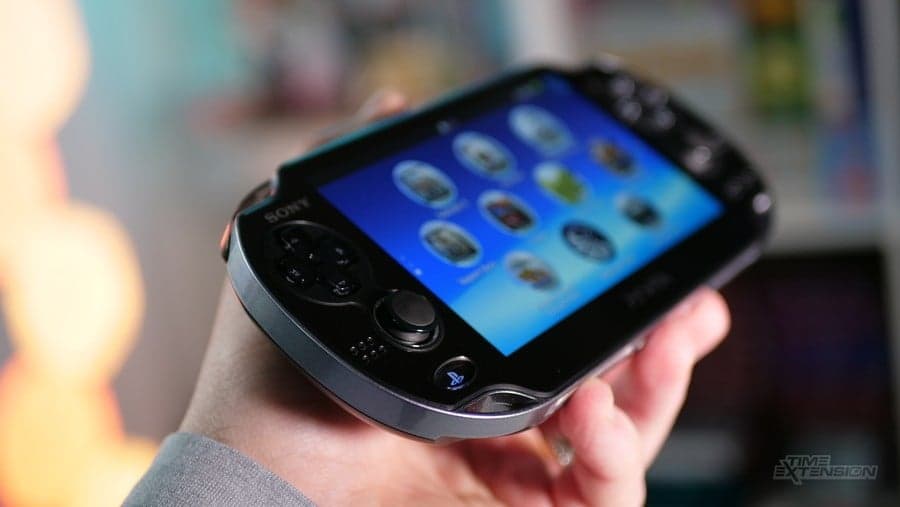
EmuLnk Transforms Compatible Emulators Into Nintendo DS-Style Dual-Screen Systems
EmuLnk connects to emulators over UDP and renders live game memory as themed HTML pages, giving RetroArch, Dolphin, and melonDS a real second screen.
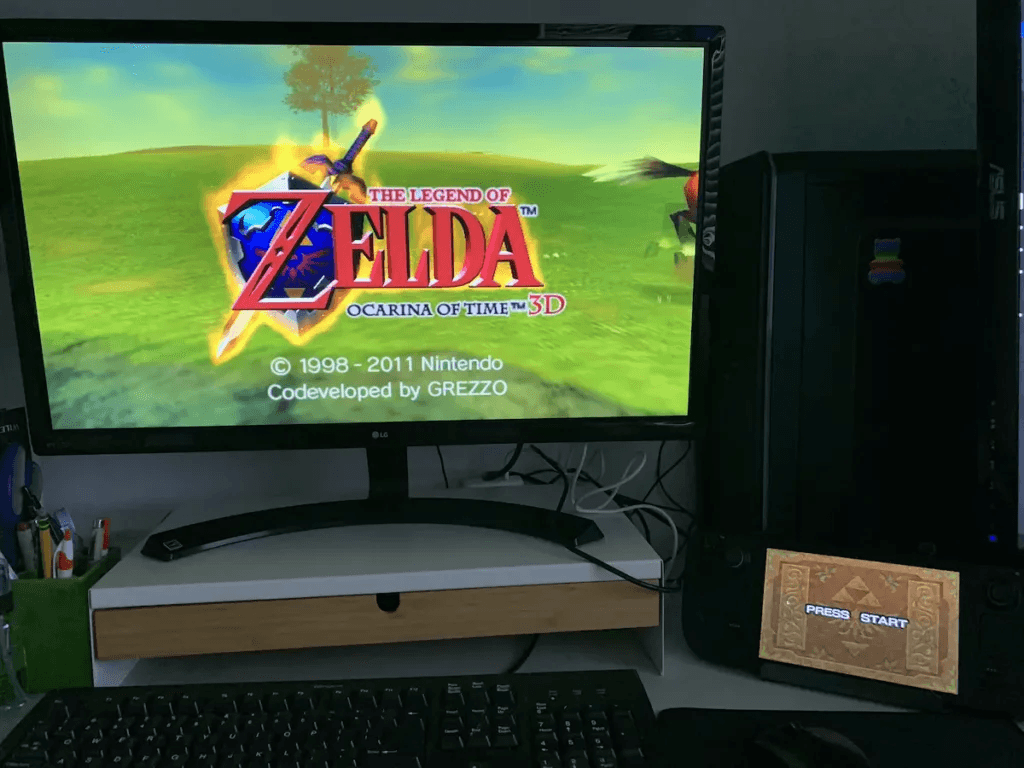
A new companion application called EmuLnk is bringing the Nintendo DS's defining feature, its dual-screen layout, to PC and compatible emulators by tapping directly into game memory over UDP and rendering live data as themed HTML pages on a second display.
Billed on its GitHub page as "a live second screen system for emulators," EmuLnk works with a growing list of supported builds including RetroArch, Dolphin, PPSSPP, melonDS, and Azahar. The project was surfaced online by @Techjunkie_Ama before drawing wider attention in the emulation community.
The technical approach is straightforward but surprisingly flexible. EmuLnk connects to an emulator over UDP, reads game memory in real time, and renders it as themed HTML pages. Those themes are HTML/CSS/JS WebViews fed by live data from JSON profiles, meaning anyone comfortable with web technologies can build or customize a display. The project's GitHub describes three distinct modes: full-screen dashboards on a second screen, floating overlay widgets on top of the game window, or a bundle mode that runs both simultaneously. Themes aren't read-only either. According to the project's GitHub, "themes can also write back to game memory, run macros, play sounds, and trigger haptic feedback," opening the door to interactive overlays far beyond a simple map or inventory panel.
There is one significant catch for anyone wanting to run EmuLnk today: the emulators themselves need to have been forked to include EmuLnk support. That means standard release builds of RetroArch, Dolphin, PPSSPP, melonDS, and Azahar won't connect out of the box. Users will need to track down the appropriate modified builds, and the full list of available forks has not been published alongside the project's public documentation.
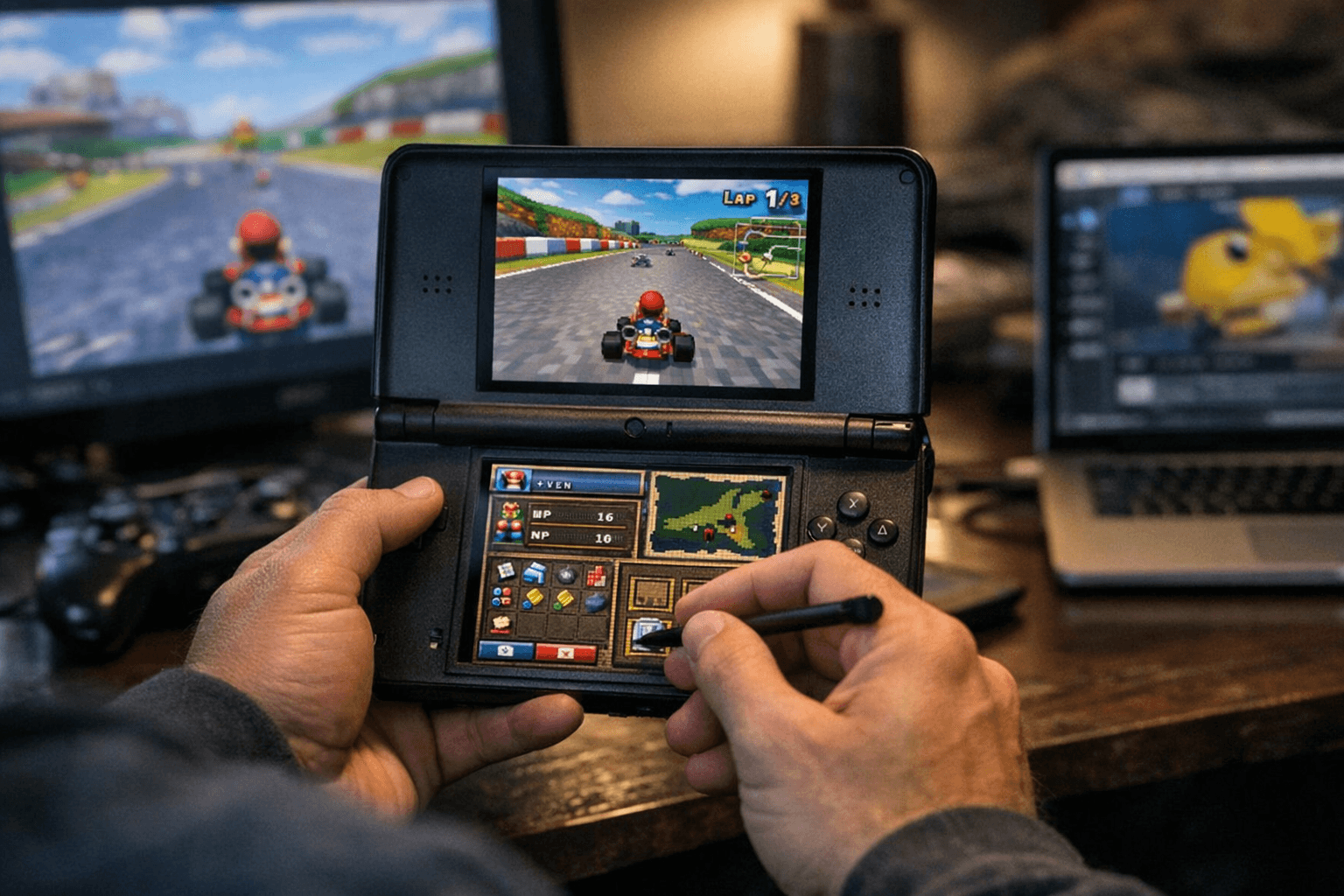
The timing of EmuLnk's arrival fits neatly into a broader industry conversation. Hardware manufacturers including AYANEO, Anbernic, and AYN have all leaned into dual-screen handheld designs in recent months, treating the DS era's split-display philosophy as a template worth reviving. EmuLnk takes that same idea and puts it in software, theoretically extending the concept to any machine running a compatible emulator build.
The DS itself was famously mocked before launch, with early online reactions running toward jokes about absurd multi-screened contraptions. That skepticism dissolved quickly once players saw how games like Metroid Prime Hunters used the lower screen for maps and how the touch panel opened up entirely new control schemes. EmuLnk is essentially betting that the same spatial logic, keeping secondary information off the main viewport, still makes sense in 2026.
Key details including the project's GitHub URL, developer identity, release version, supported host operating systems, and licensing terms were not confirmed in available documentation at the time of publication.
This article was produced by Prism’s automated news system from verified source data, official records, and press releases, then run through automated quality and moderation checks before publishing. The system is built and supervised by the people who set the standards it runs under. Read our full AI policy.
Did this article answer your question?