Former Sega Engineer Confirms Saturn Graphics Accelerator, Project TRIP Was Real
Junichi Naoi told Beep21 his team completed the Project TRIP simulation in January 1997, confirming the Saturn graphics accelerator wasn't just rumor.
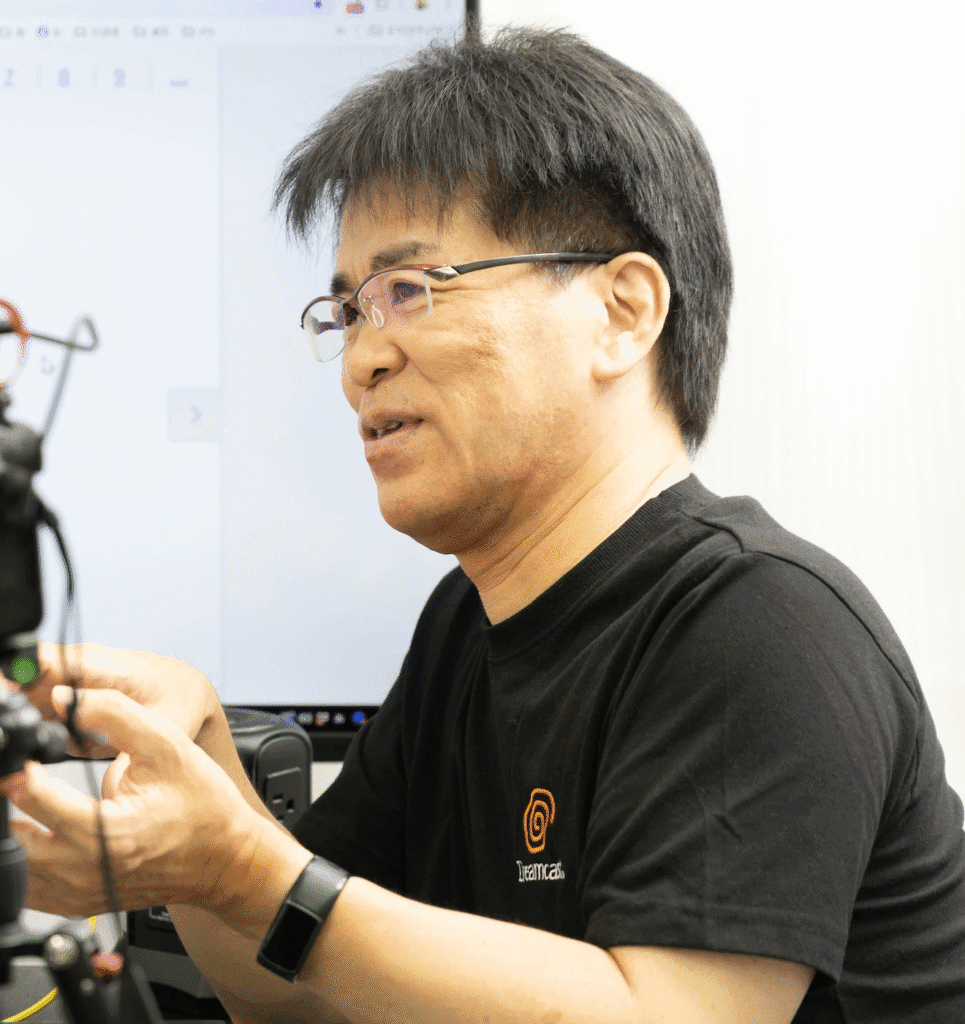
Junichi Naoi, a former Sega hardware engineer and one of the men who spearheaded Project TRIP, has confirmed in a Beep21 interview that the long-rumored Saturn graphics accelerator was real. His team, Naoi told the magazine, "completed the simulation process in January 1997." That single sentence, published March 5, closes a loop that Saturn fans and hardware historians have been chasing for nearly three decades.
The interview was conducted by Kenji Tosaki, a former Sega hardware designer who participated in Sega's internal hardware conversations during the 1990s but said he had only heard of Project TRIP in passing at the time. Tosaki went looking for Naoi specifically because Naoi had been central to the project. Development on Project TRIP began in 1996, and Naoi's confirmation that simulation was complete by January 1997 gives the accelerator a concrete, documented timeline for the first time.
Beep21's published article stops at that point and promises a follow-up installment. The physical form factor of the accelerator was not described in the interview, but an anonymous source close to Sega hardware development in the 1990s told SHIRO! that it would have connected via the Saturn's cartridge slot and worked similarly to the Genesis 32X add-on. According to that source, the expansion unit contained dedicated polygon rendering hardware that mixed its output with the Saturn's base output to produce the final image on screen. The workload was divided: the stock Saturn hardware would handle user interface elements, floors, skies, and other backgrounds using VDP-2, while the expansion rendered polygonal models. The anonymous source added that the expansion hardware "allegedly seemed difficult to use."
The Shenmue connection, long a cornerstone of Project TRIP lore, received further corroboration in the same round of reporting. In a previous Beep21 interview conducted by Tosaki, Keiji Okayasu of AM2 stated that Shenmue started development on the base Saturn, was remade for the accelerator, then was remade again for Dreamcast. In the March 5 interview, Tosaki also spoke with Hiroshi Yagi, who helped develop Sega arcade boards including the one Virtua Fighter 3 ran on. Yagi confirmed that Shenmue director Yu Suzuki wanted to use Project TRIP for his game.

Virtua Fighter 3 was the other title consistently tied to Project TRIP across reporting. Both games originated on Sega's Model 3 arcade board, and the accelerator's apparent purpose was to give the Saturn the polygon-rendering muscle needed to bring Model 3-class titles home. Disappointing Saturn sales in Western markets and the approaching Dreamcast launch ultimately led Sega to abandon the project, according to reporting by Recalbox. Both Virtua Fighter 3 and Shenmue eventually moved to the Dreamcast instead.
What "completed the simulation process" means in precise engineering terms, whether any physical prototypes survive, and what chipset or custom silicon Project TRIP would have used remain open questions. Beep21 has promised another installment to continue the story, and given what the first part already confirmed, the Saturn community will be watching closely.
This article was produced by Prism’s automated news system from verified source data, official records, and press releases, then run through automated quality and moderation checks before publishing. The system is built and supervised by the people who set the standards it runs under. Read our full AI policy.
Did this article answer your question?