GameNative adds Lossless Scaling, promises 100 FPS on Android handhelds
GameNative’s Android handheld port just added Lossless Scaling frame generation, with one demo pushing The Last of Us Part 1 past 80 fps.
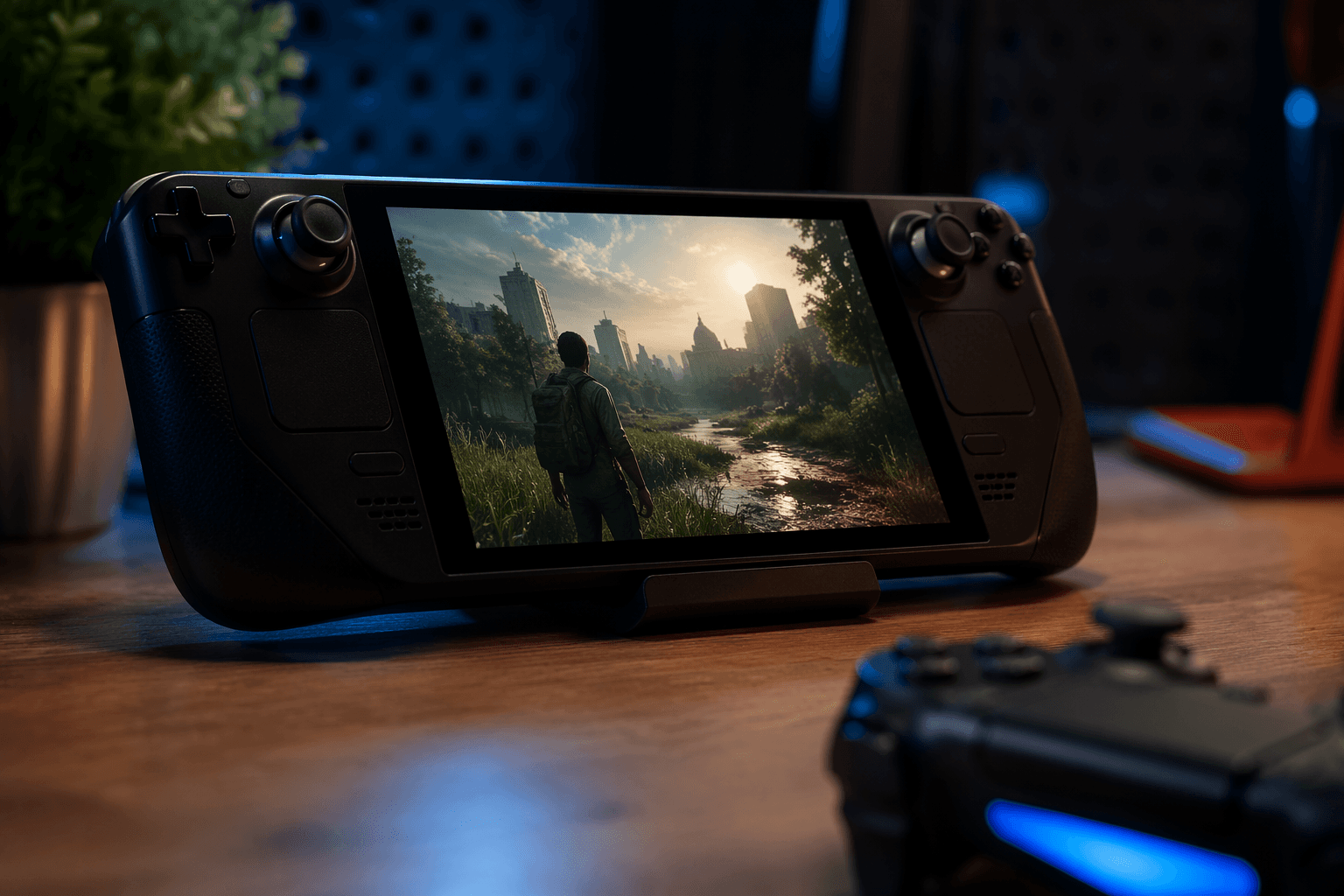
GameNative’s latest Android release turned a handheld PC launcher into something closer to a real frame-rate booster, adding LSFG-VK in version 0.9.1 and showing some games jump from console-like 30 fps into the 80 fps range. In a demo posted on May 2, 2026, The Last of Us Part 1 reportedly climbed from 30 fps to more than 80 fps, while some users reported boosts from 30 to 60 fps or 60 to 120 fps.
The new option matters because it is not cloud streaming or remote play. GameNative is an open-source Android app that lets users run games they already own from Steam, Epic Games, GOG, and now Amazon Games directly on Android devices, with local installs and cloud saves. LSFG-VK adds frame generation on top of that setup, using the user’s own Lossless Scaling files from Steam app 993090 rather than redistributing the DLL inside GameNative.
The feature is exposed in the app’s quick access menu and offers 2x, 3x, and 4x frame-generation multipliers, along with flow scale and performance mode controls. Under the hood, the Android port works differently from the Linux version: it relies on MediaProjection screen capture and a system overlay, not Linux’s Vulkan implicit-layer hook. That approach is tied to Android 12 and newer, which block loading external code into non-debuggable processes.
Compatibility still matters. The Android port has been reported to work on Snapdragon devices with Adreno 600-series GPUs or newer, so the promise is not universal across the Android handheld market. Even where it does work, the developer has said the Android implementation carries roughly 50 to 80 milliseconds more lag than the Linux version, a tradeoff that will be felt most in twitchy action games and anything that already pushes the device hard.
GameNative has been moving fast on handheld-friendly features. Version 0.8.0 brought a major UI overhaul with full controller navigation, and the app already supported Steam, Epic, GOG, offline mode, and better portrait-handheld ergonomics before Amazon Games support arrived. Its README also says the project is still early and that not every game will be stable without tweaking, while anonymous PostHog analytics track launches, closes, exits, installs, and compatibility data to improve future configurations. For Android handheld owners, the headline is simple: frame generation is no longer just a PC feature, and GameNative just put it in reach on pocket-sized hardware.
This article was produced by Prism’s automated news system from verified source data, official records, and press releases, then run through automated quality and moderation checks before publishing. The system is built and supervised by the people who set the standards it runs under. Read our full AI policy.
Know something we missed? Have a correction or additional information?
Submit a Tip