Majora's Mask lands on PS Vita through fan-made N64 port project
Majora’s Mask has reached the PS Vita through 2ship2harkinian, turning an N64 decomp milestone into a pocketable native-style port.
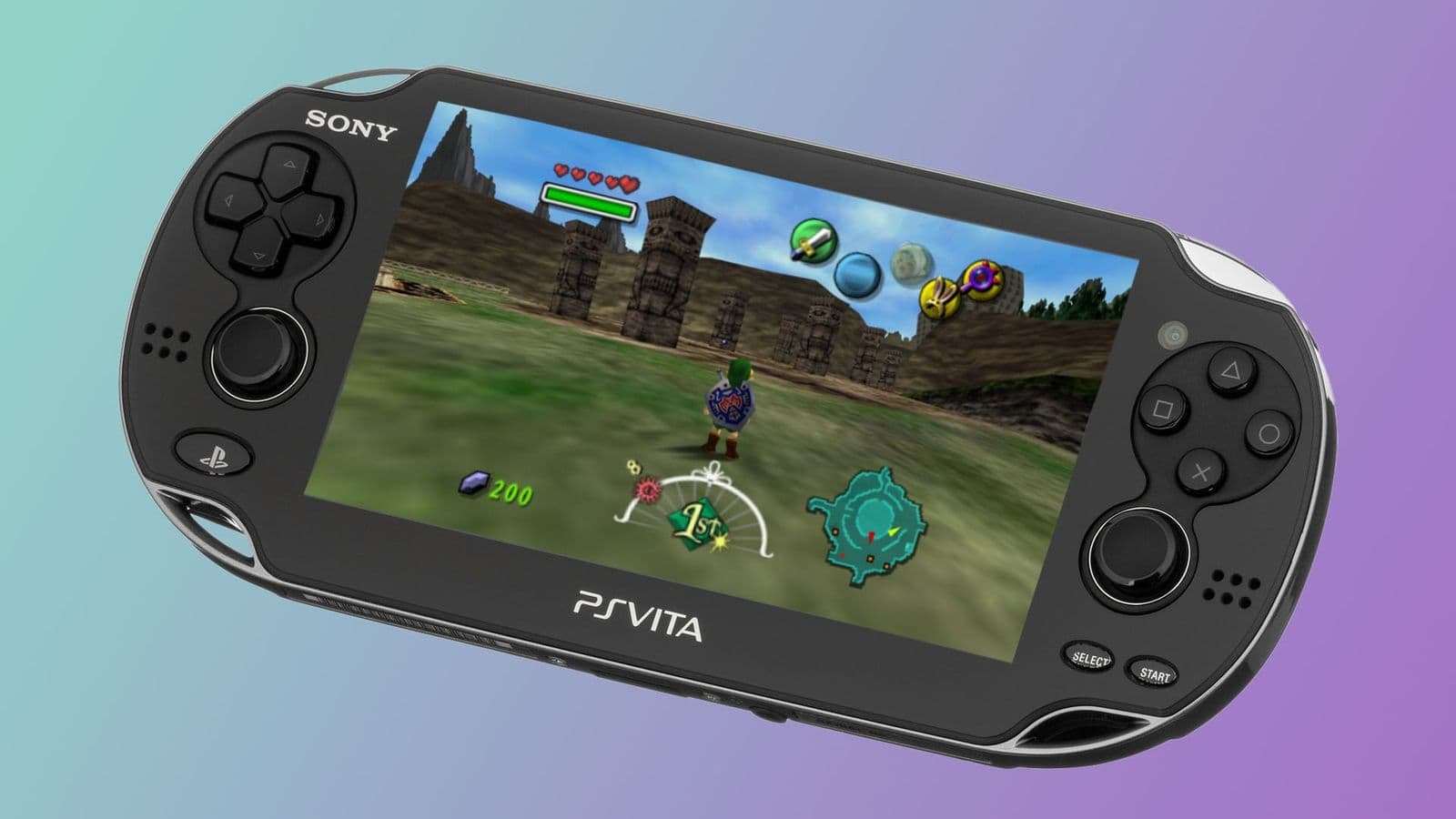
Majora’s Mask is no longer just another N64 icon trapped behind aging cartridges and flaky original hardware. Through 2ship2harkinian, the game has been brought to the PlayStation Vita as a fan-made port, giving handheld tinkerers a new way to carry one of Nintendo’s strangest adventures in a format that feels built for a pocket console.
The release came from Rinnegatamante, the Vita scene name many homebrew followers already know, and from Alessio Tosto on GitHub. That matters because this is not a one-off novelty from a random assembler of binaries. Rinnegatamante has built a reputation around pushing ambitious Android and fan-made projects onto Sony’s handheld, and this port fits the same pattern: a native-style build aimed at making older software more usable on modern portable hardware.
2ship2harkinian sits inside HarbourMasters’ broader reverse-engineering effort, and the project’s scale shows how far N64 decompilation has come. The GitHub repository lists 4,383 commits, and the current release line includes randomizer support along with gameplay tweaks and bug fixes. HarbourMasters also states clearly that the project does not include copyrighted assets and requires a supported copy of the game, which keeps the port tied to user-supplied game data rather than redistribution of Nintendo’s original files.
For Vita owners, the appeal is practical, not theoretical. A native port can sidestep some of the compromises that come with emulation, and it opens the door to control tuning, performance fixes, and future quality-of-life changes. That is the real payoff here: a game built for an N64 controller is now showing up on a handheld with its own buttons, screen, and portability advantages, which makes Majora’s Mask easier to revisit in short sessions, commutes, and late-night play than on original hardware.
The Vita scene has also built the technical plumbing that makes these projects possible. Wololo has described Rinnegatamante’s releases as native Android-to-Vita wrappers rather than emulation, using TheFloW’s wrapper to load the Android binary directly. In earlier releases, that workflow has relied on tools like kubridge and FdFix, with overclocking to 500MHz sometimes recommended to keep performance steady. Rinnegatamante’s Android-to-Vita candidate list also points to the kind of targets that fit this ecosystem best, namely ARMv6 or ARMv7 executables with GLES 1 or GLES 2 support.
Taken together, Majora’s Mask on Vita is bigger than a curiosity project. It is another proof point that N64 reverse engineering is escaping its original platform and giving legacy fans better ways to play, preserve, and carry these games than the hardware they were born on ever allowed.
This article was produced by Prism’s automated news system from verified source data, official records, and press releases, then run through automated quality and moderation checks before publishing. The system is built and supervised by the people who set the standards it runs under. Read our full AI policy.
Did this article answer your question?