MiSTer Oric Atmos core adds fast tape loading and snapshots
Fast tape loading and snapshots turn MiSTer’s Oric Atmos core from a tape-era chore into a much easier machine to actually use.
MiSTer’s Oric Atmos core just crossed an important line from preservation project to everyday plaything. Fast tape loading, auto tape support, snapshot support, and mgl file handling have stripped away a lot of the cassette-era friction that used to define the machine, making an obscure 8-bit home computer far more approachable right now.
That matters because the Oric Atmos was always tied to tape. The British-designed successor to the Oric-1 arrived in 1984 with the kind of workflow that expected users to live with slow loading and commands like CLOAD. On a real machine, that was part of the charm. On MiSTer, it was also the biggest reason curious players could bounce off after a few minutes.
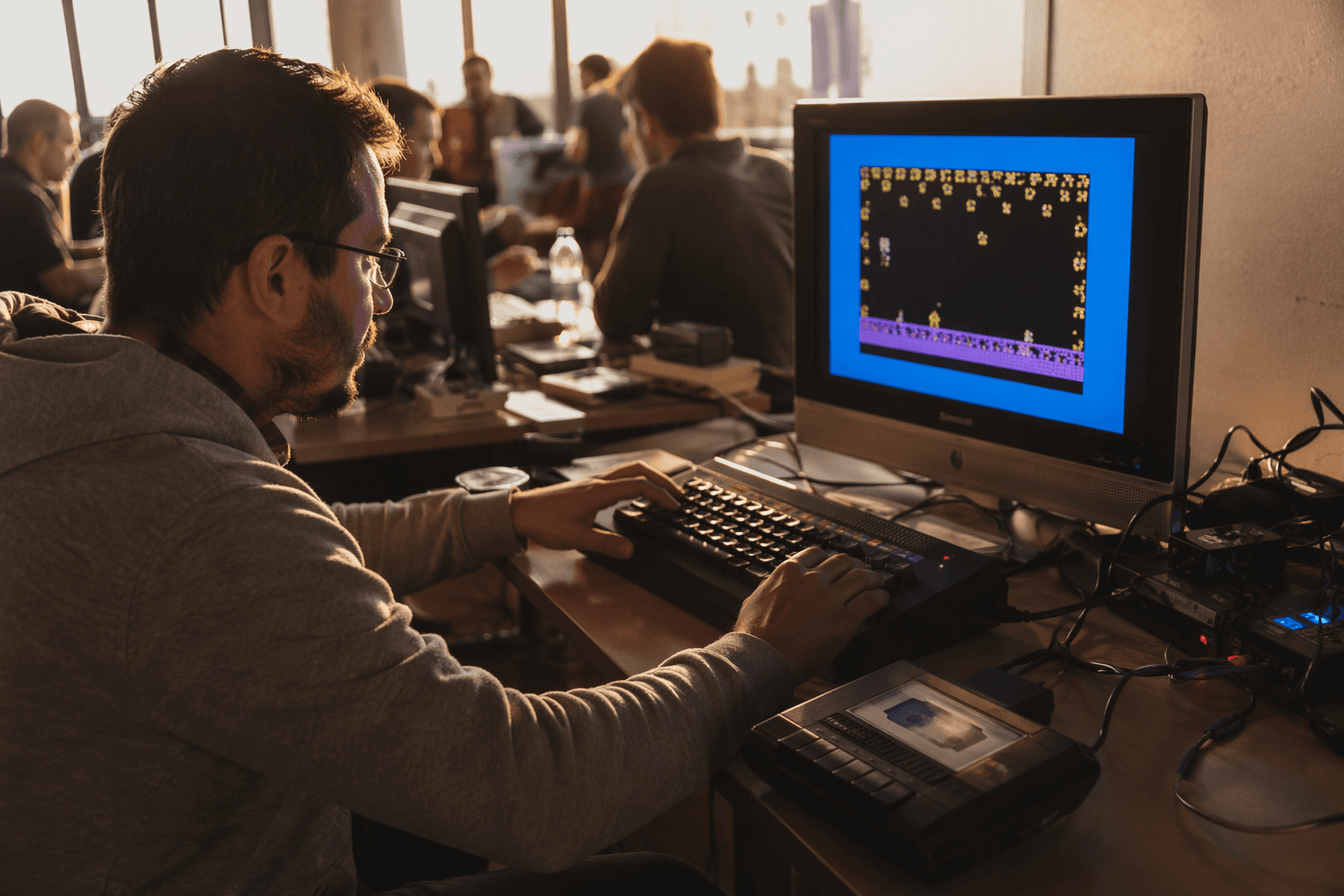
The new core update changes that feel in practical ways. Fast tape load cuts down the wait that comes with cassette-style software. Auto tape support goes further by selecting a tape and loading it without manual command entry, which is a major shift for a platform that historically leaned on typed-in commands. Snapshot support adds another layer of convenience by making it easier to save and restore a running session, and the mgl handling brings tape and snapshot images into the same launcher-friendly flow MiSTer users already expect from other cores.
That direction matches the core’s stated focus on day-to-day usability. Development on the MiSTer Oric core is centered on TAP loading, snapshot restore, ROM selection, Microdisc support, and MiSTer launcher files, which is exactly the sort of polish that turns a niche computer into something people can open for a quick session instead of treating as a historical exercise.
It is also a sharp contrast with where the Oric MiSTer project started. An earlier nikiiv fork was described as a basic port with no means of loading programs, which makes this feature set feel less like a tune-up and more like a full shift in what the core is good for. The broader Oric software world has been pointing this way for years too, with ORIX and other tooling already documenting faster .tap loading and launcher-style startup flows, while OSDK documentation notes that raw binaries need a header before they can be loaded with CLOAD.
That is why this update lands so well. The Oric Atmos has always been one of those machines people admire from a distance, but fast tape loading, auto-load behavior, and snapshots finally make it feel playable on MiSTer without asking users to relive every bit of the original cassette friction.
This article was produced by Prism’s automated news system from verified source data, official records, and press releases, then run through automated quality and moderation checks before publishing. The system is built and supervised by the people who set the standards it runs under. Read our full AI policy.
Know something we missed? Have a correction or additional information?
Submit a Tip