New Amiga Emulator Jammy Rebuilds Classic Hardware From Scratch, Ditching UAE Codebase
Jammy boots Workbench and runs classic Amiga games without a single line of UAE code, rebuilding the 68000 CPU and custom chips entirely from scratch.
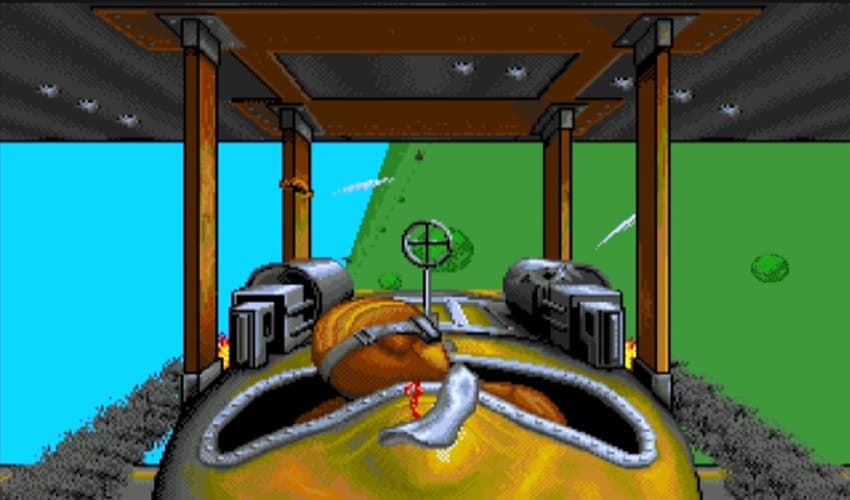
Developer Jim, publishing under the GitHub handle jimshawx, released a brand-new Amiga emulator called Jammy that already boots Workbench and runs a selection of classic applications and games, without a single line of UAE code underpinning it.
The distinction matters more than it might initially appear. Amiga emulation has been dominated for decades by WinUAE and its related ports, with nearly every significant emulator tracing its lineage back to the original UAE project. Jammy breaks that lineage entirely, reimplementing both the Motorola 68000 CPU family and the Amiga's three core custom chips, Agnus, Denise, and Paula, from the ground up.
Those chips are not straightforward targets. Agnus handled DMA and blitter operations, Denise managed display output, and Paula controlled audio and I/O. Together they produced timing-sensitive interactions that many Amiga titles relied upon heavily, with some software deliberately exploiting undocumented silicon behavior to achieve its effects. The fact that Jammy is already running games indicates its CPU and custom chip coordination is beginning to behave correctly at a fundamental level.
For the preservation community, an independent reimplementation carries value beyond offering another way to run Cannon Fodder. Cross-validating Jammy against mature UAE-based emulators creates the opportunity to identify assumptions or bugs embedded in either codebase. Where two independent implementations diverge, that difference points toward either an emulator error or previously undocumented hardware behavior, exactly the kind of discovery that expands what we collectively know about how these machines actually worked. Jammy also includes analysis-oriented features aimed at those studying hardware behavior rather than just running software, giving researchers a dedicated set of tools the UAE family was never designed to provide.

Jammy is still a work-in-progress. Compatibility is limited compared with the mature UAE ports, and users trying the public Windows and Linux builds should expect rough edges. The jimshawx/jammy repository on GitHub serves as the hub for source code, binaries, and issue tracking.
The project's independence from UAE code is precisely what makes it valuable as a long-term preservation asset. Relying entirely on a single dominant emulator lineage creates a single point of failure in the historical record; every independent Amiga implementation adds a separate frame of reference against which the behavior of the original silicon can be cross-checked, and Jammy, early as it is, now provides that.
This article was produced by Prism’s automated news system from verified source data, official records, and press releases, then run through automated quality and moderation checks before publishing. The system is built and supervised by the people who set the standards it runs under. Read our full AI policy.
Did this article answer your question?