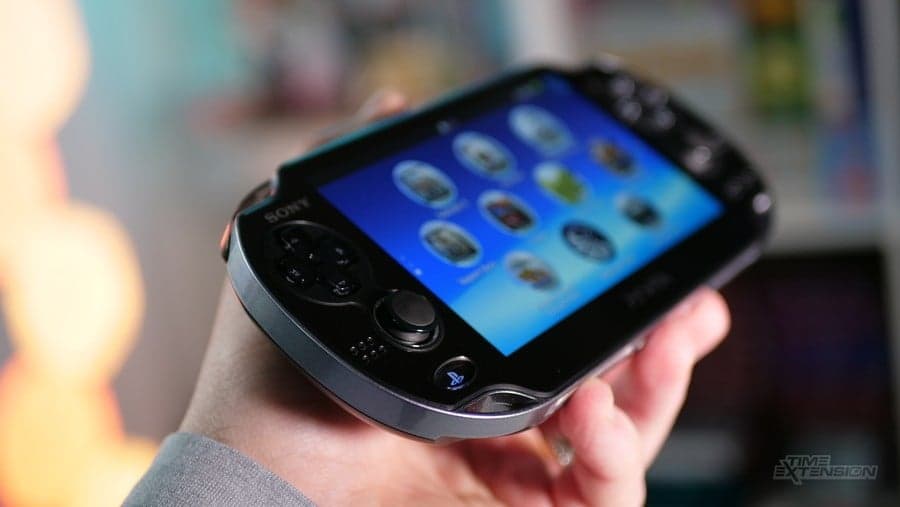
PaperBoyS3 turns an E Ink dev kit into a Game Boy handheld
PaperBoyS3 pushed a Game Boy emulator to 60 fps on a 960 by 540 E Ink touchscreen, turning an ESP32-S3 dev kit into a surprise handheld.

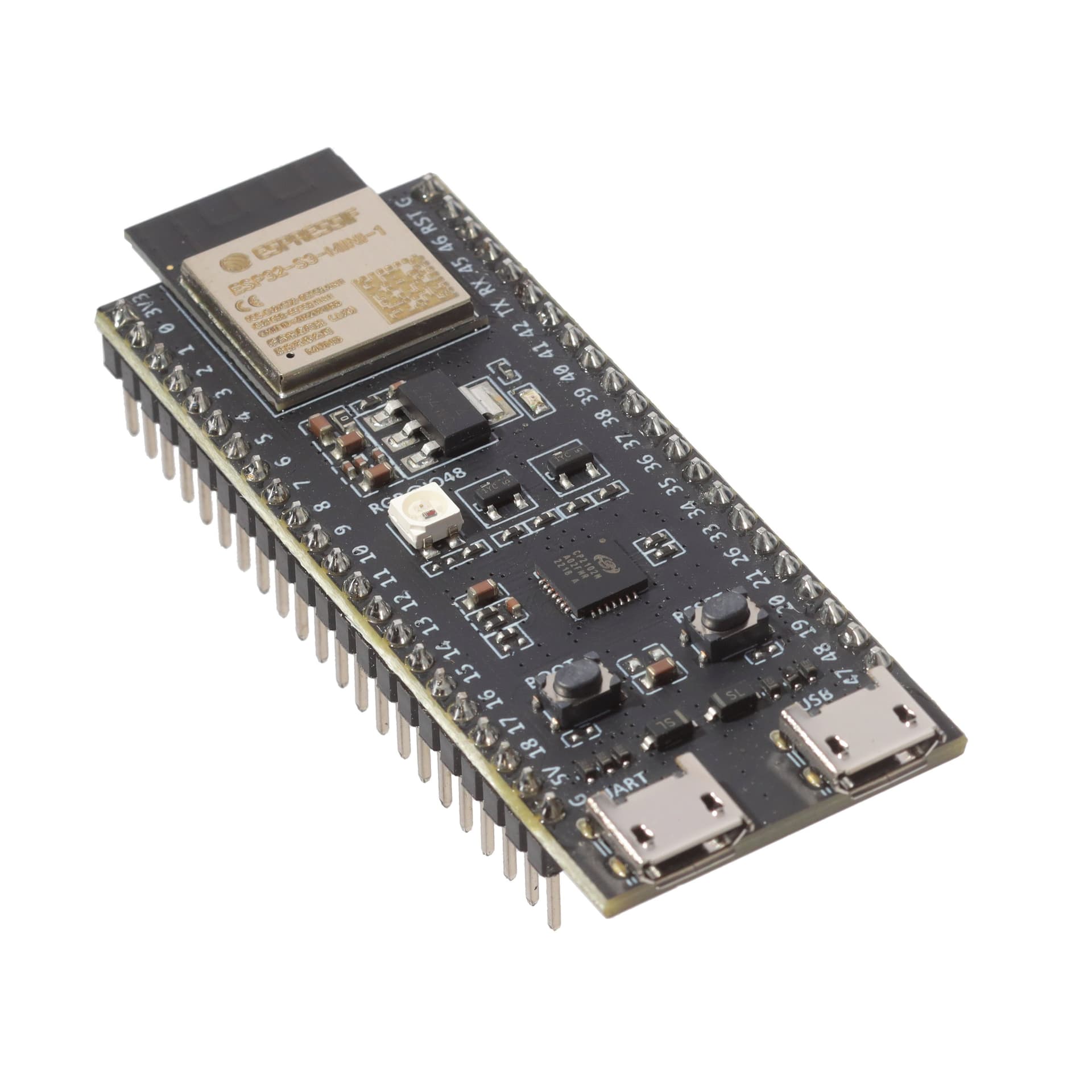
PaperBoyS3 turned the M5PaperS3 development kit into a working Game Boy platform on an E Ink touchscreen, and original Game Boy software reportedly ran at up to 60 frames per second. Published on July 2, 2026, the build used a pocketable board built around a 960 by 540 E Ink display, an ESP32-S3 dual-core processor, microSD support, wireless connectivity, and a simple onboard buzzer.
That hardware stack is what makes the project so striking. The M5PaperS3 is not a commercial gaming handheld in the usual sense, and nothing about a note-taking or dashboard-style e-paper device suggests it should be able to keep pace with the Game Boy’s 160 by 144 output. PaperBoyS3 changed that expectation by driving the panel at a 60 Hz rhythm instead of treating it like a slow full-refresh screen.
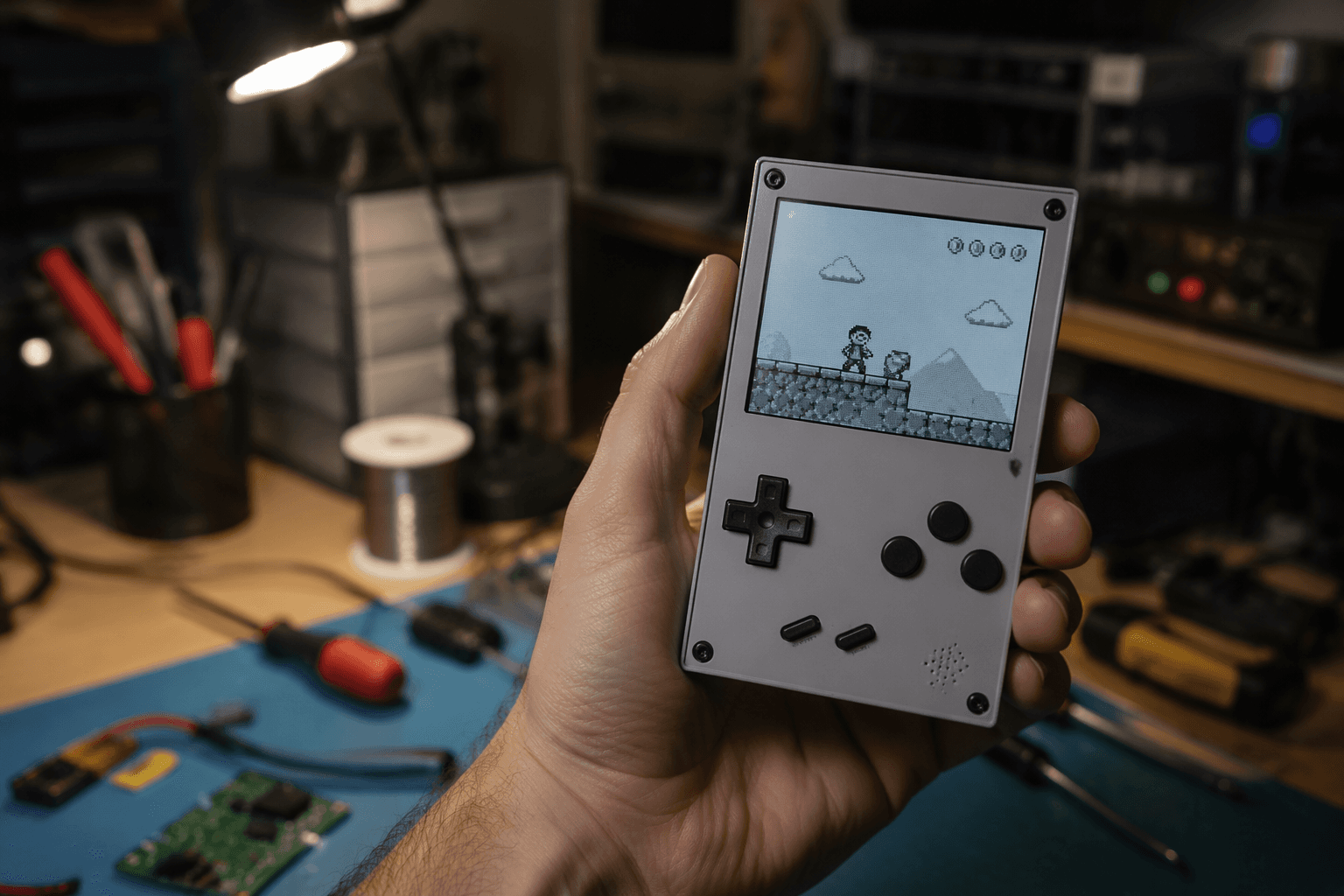
E Ink is usually the enemy of motion. Its pixels update by moving charged particles inside tiny capsules, which is why the technology is prized for contrast and low power use but usually avoided for animation-heavy workloads. PaperBoyS3 sidestepped that limitation with careful timing, memory management, and display handling, enough to make the panel behave like a fast enough target for live emulation rather than a static reading surface.
That matters because the Game Boy is not forgiving. It expects responsive frame delivery, input handling, and sound timing, and all three are the kinds of problems that normally expose the weaknesses of embedded hardware. By showing original Game Boy software on an E Ink panel at up to 60 frames per second, PaperBoyS3 demonstrated that the bottleneck is not always the display category itself but the way the software talks to it.
For retro-emulation hobbyists, the appeal is bigger than the novelty of seeing a monochrome handheld game on e-paper. The build points toward a class of ultra-low-power, highly specialized handheld experiments that could make sense for single-system emulation, educational projects, or other embedded tinkering where battery life and minimal hardware matter more than broad compatibility. It will not replace mainstream handhelds, but it does widen the lane for what an emulator can run on, and the M5PaperS3 now looks less like a quiet dev kit and more like a very unusual Game Boy.
This article was produced by Prism’s automated news system from verified source data, official records, and press releases, then run through automated quality and moderation checks before publishing. The system is built and supervised by the people who set the standards it runs under. Read our full AI policy.
Did this article answer your question?