Pureikyubu Emulator Aims to Reverse-Engineer GameCube Hardware Behavior
Pureikyubu, a work-in-progress GameCube research emulator tied to the Dolwin lineage, aims to reverse-engineer the console's hardware behavior from the ground up.
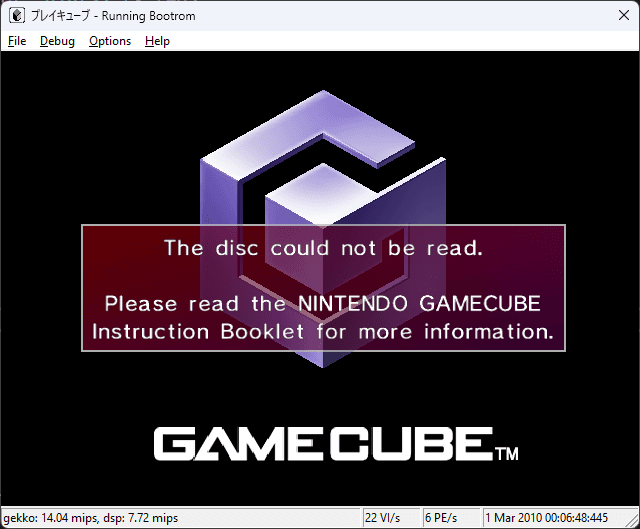
A new entry in the long tradition of GameCube preservation efforts, Pureikyubu is a work-in-progress research emulator built around one specific and ambitious goal: reverse-engineering the GameCube's hardware behavior at a fundamental level.
The project carries echoes of the Dolwin lineage, a name that will ring familiar to anyone who has followed GameCube emulation history. Dolwin was one of the earliest serious attempts to emulate Nintendo's purple lunchbox, and Pureikyubu appears to continue in that spirit of low-level hardware research rather than simply chasing game compatibility numbers. Where projects like Dolphin matured into polished, feature-complete emulators, research emulators like Pureikyubu occupy a different niche: they dig into the silicon logic, the memory bus behavior, the timing quirks that make a GameCube a GameCube.
Maintained by an active group of contributors, the project's repositories are mirrored on GitHub and related mirrors, keeping the work accessible and open to the broader preservation community. That kind of distributed hosting matters in an era when emulation projects can disappear overnight, and it signals that the team is thinking about longevity.

The research emulator label is worth taking seriously. Unlike accuracy-focused forks that measure progress by percentage of commercial titles booting, a research emulator treats the hardware itself as the subject of study. Every quirk documented, every undocumented register mapped, every timing edge case reproduced in software is a contribution to the permanent record of how this hardware actually worked. That documentation often feeds downstream into more mature projects, making the unglamorous work of research emulation quietly foundational to the entire scene.
Pureikyubu is still very much a work in progress, and it would be a stretch to call it a daily driver for anyone hoping to replay Melee or Wind Waker. But for developers, reverse engineers, and the corner of the community that finds the hardware itself as interesting as the games it ran, the project represents exactly the kind of patient, methodical work that keeps preservation honest.
This article was produced by Prism’s automated news system from verified source data, official records, and press releases, then run through automated quality and moderation checks before publishing. The system is built and supervised by the people who set the standards it runs under. Read our full AI policy.
Did this article answer your question?