Tico alpha brings experimental GameCube and Wii emulation to Switch
Dolphin finally landed on Switch’s native Horizon OS, cutting out Android and Linux for a first wave of GameCube and Wii testing.
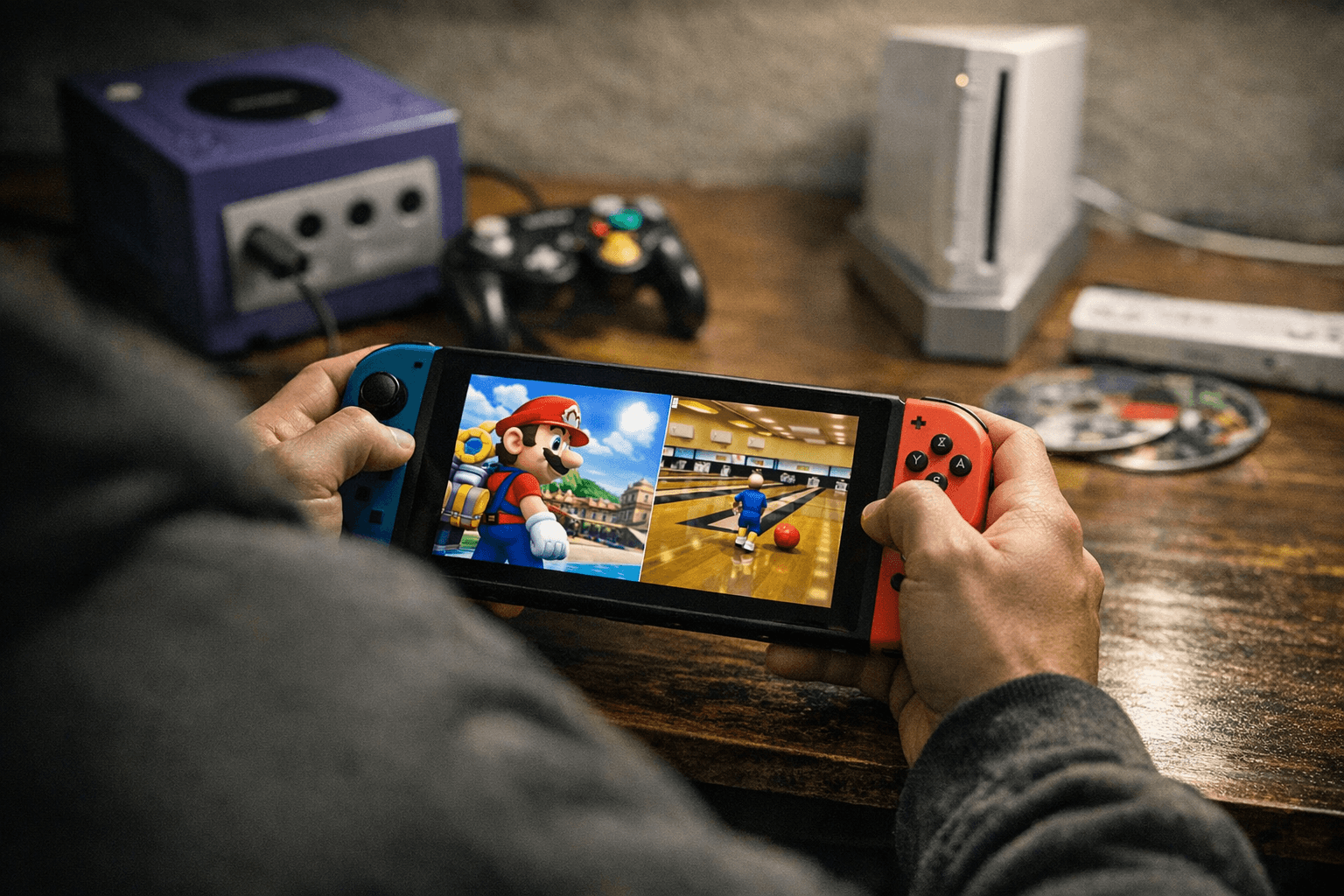
Dolphin running directly on Nintendo Switch’s native Horizon OS changed the setup from a detour into an on-device experiment. Tico alpha v0.7.0 added experimental GameCube and Wii support through a Dolphin emulator core, making the Switch itself the target instead of Android, Linux or Lakka, the long workaround many users relied on for this kind of emulation.
The release landed under the GitHub title “gamecube and wii joins the party,” and tico called the Dolphin core the most demanding one it had tried on Switch Horizon OS to date. That framing matters because this is not a polished launch so much as a proof of possibility: a compatibility list is being compiled, instability is expected, and the first build is meant to show that native Horizon emulation can reach GameCube and Wii territory at all.
Tico’s answer to the horsepower problem is boost mode, which is enabled by default at 1785 MHz CPU and 768 MHz GPU. The project warns users to monitor device temperature and says it is not responsible for hardware damage. It also says lower clocks may keep some games from booting, naming Luigi’s Mansion as an example, while users who want to tune behavior can override the settings with sys-clk.
The practical change is not just raw performance. Tico added a new Experimental tab in Settings, and Dolphin has to be enabled there before it appears in the interface. Cores can now be installed or updated separately from the Settings screen, and the release notes point users to sdmc:/tico/roms/gc for GameCube dumps and sdmc:/tico/roms/wii for Wii dumps. That makes the workflow feel less like a development tool and more like a console-facing frontend, which is exactly how tico describes itself: a controller-first, native C++ interface built for performance, simplicity and long-term portability.
Early test results show how far the alpha had already pushed. GameCube games listed as tested included Luigi’s Mansion, The Wind Waker, Twilight Princess, Mario Kart: Double Dash!!, Sonic Riders, Super Smash Bros. Melee, Star Fox Adventures, Need for Speed Underground 2, FIFA Street 2 and Eternal Darkness. Wii tests included Rayman Origins, Muramasa: The Demon Blade, MadWorld, Rhythm Heaven Fever and Call of Duty: Modern Warfare 3, which crashed during the first level loading screen. For Switch homebrew, the significance is bigger than one alpha: a 2020 GBAtemp discussion still described Dolphin as absent from Horizon OS entirely, with users pushed onto Android, Linux or Lakka. Tico’s separate tico-dolphin fork makes that old limitation look a lot less permanent now.
This article was produced by Prism’s automated news system from verified source data, official records, and press releases, then run through automated quality and moderation checks before publishing. The system is built and supervised by the people who set the standards it runs under. Read our full AI policy.
Did this article answer your question?