xemu 0.8.136 adds x86-64-v3 optimizations and scaling fixes
xemu 0.8.136 is a practical update for high-DPI laptops, Linux handhelds, and x86-64-v3 desktops, with scaling fixes and faster release builds.
xemu 0.8.136 looks like the kind of release that quietly solves the annoyances people notice only after a long night of testing games on different machines. If your original Xbox setup lives on a high-DPI laptop, a mixed-resolution desktop, or a Linux handheld-class device, this build is worth a look right away because it changes how xemu handles scaling, display drivers, and release-level performance.
The June 8 release brought Windows toolchain updates, an updated MXE and GCC cross-toolchain for Linux-to-Windows builds, x86-64-v3 optimizations for release binaries, and SDL 3.4.10. Those are the sorts of under-the-hood changes that rarely headline themselves, but in emulation they often decide whether a build feels smooth on a modern CPU or merely functional. xemu also cleaned up its macOS side by removing a hardcoded Ivy Bridge target for x86-64 builds, which should make the project’s release path less awkward across newer Apple hardware.
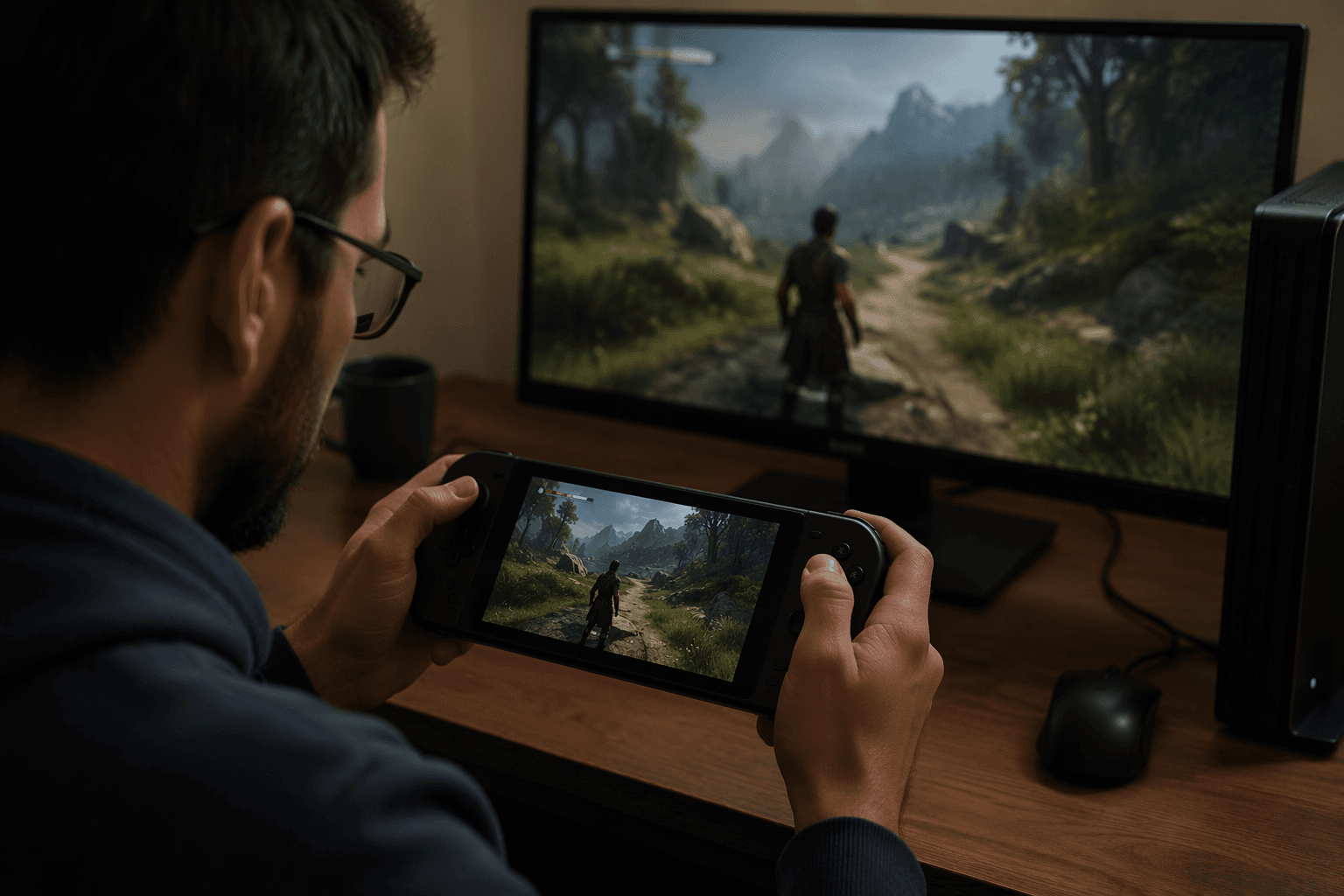
The most visible change is on the user-experience side. xemu now accounts for pixel density and display scaling, a meaningful fix for anyone running the emulator on a laptop panel, an ultrawide monitor, or a system that mixes scaling settings across displays. The Linux video-driver hint was also adjusted so Wayland is preferred before X11, a small line in the changelog that can translate into a less frustrating first launch on desktops that have moved beyond older display assumptions. For people using xemu as a daily driver rather than a curiosity, those two changes are the ones to test first.
That makes 0.8.136 feel less like a feature splash and more like maintenance aimed at the realities of modern setups. xemu describes itself as a free and open-source emulator for the original Microsoft Xbox on Windows, macOS, and Linux, while its ancestor XQEMU traces the project’s low-level, full-system approach back to a model that depends on console firmware and storage images. In that context, every platform fix matters: the emulator is not only trying to boot games, it is trying to stay sane across a wide spread of operating systems and hardware generations.
The release page credited mborgerson and Reedzit, and the community reacted fast with emoji responses from users including exurkun, fadrian06, EdHerdman, OneNullBit, and xcom169. That response fits the shape of the update itself. This was not the kind of release that redefines xemu, but it did improve the parts that decide whether an original Xbox session feels polished on the machine sitting in front of you.
This article was produced by Prism’s automated news system from verified source data, official records, and press releases, then run through automated quality and moderation checks before publishing. The system is built and supervised by the people who set the standards it runs under. Read our full AI policy.
Know something we missed? Have a correction or additional information?
Submit a Tip