Airbus hires Rust engineer for safety-critical embedded helicopter software
Airbus Helicopters is hiring a Rust embedded engineer in Marignane, a strong signal that Rust is moving deeper into certified aviation software.
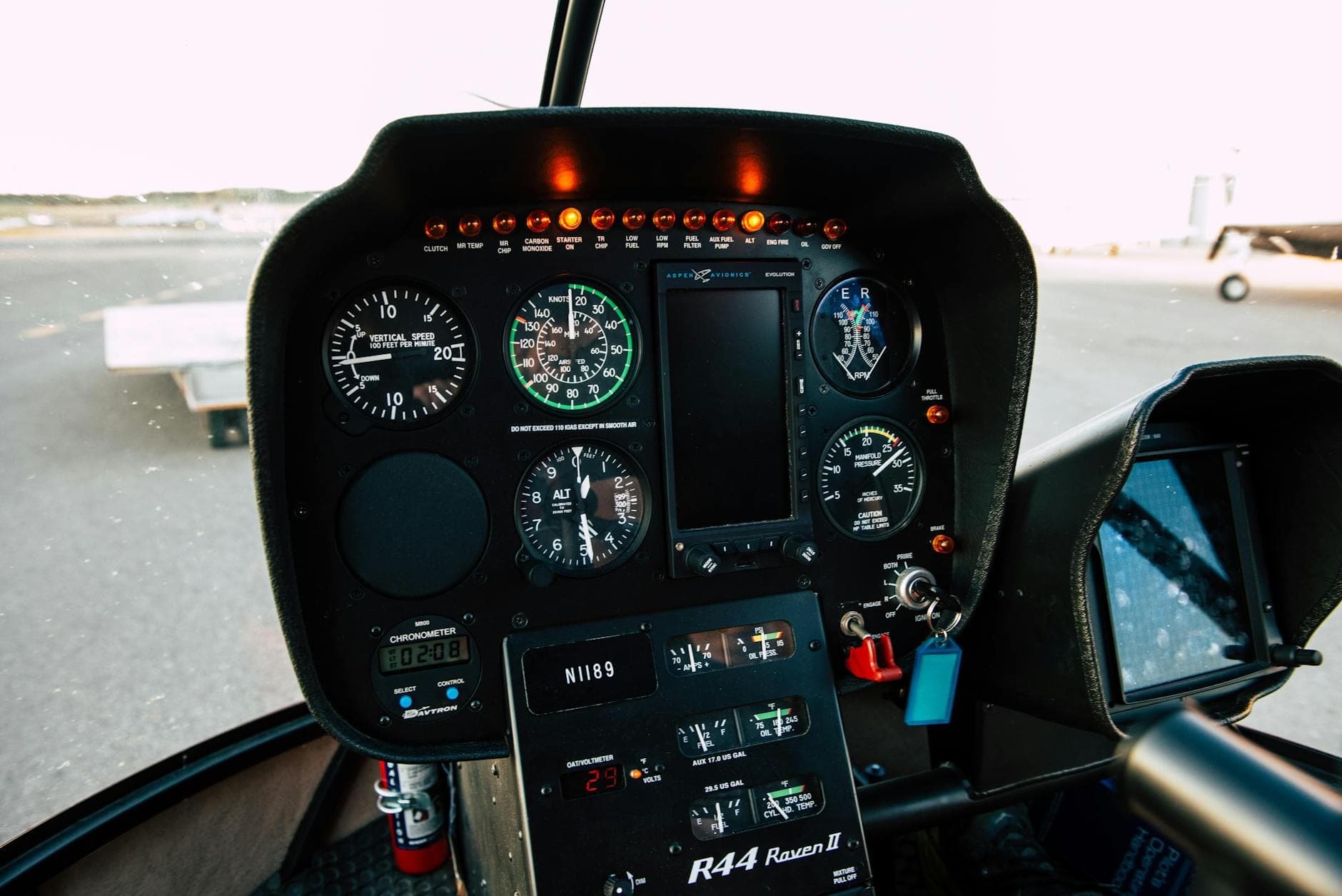
Airbus Helicopters is hiring a RUST Embedded Software engineer H/F in Marignane, France, for a team that works on safety-critical functionality. The role sits inside the company’s Software Products department, where engineers develop and integrate embedded software under civil-certification rules such as ED-12 and DO-178. For Rust developers, that makes this more than a routine opening. It is a clear sign that a major aerospace manufacturer is putting the language inside a regulated engineering pipeline.
Airbus Helicopters says safety is its first priority and ties that mission directly to the flight safety of the thousands of people who travel in its aircraft every day. That context matters. The listing is live on Airbus’s Workday careers system and has also been mirrored on multiple job boards, which points to an active recruitment effort rather than a quiet internal experiment. In a field where toolchain choices are usually conservative, a public Rust search from Airbus carries real weight.
The broader Rust ecosystem has been moving in the same direction. On June 12, 2024, the Rust Foundation and partners launched the Safety-Critical Rust Consortium to support responsible Rust use in regulated software. Its stated focus includes guidelines, linters, and reference materials for safety-critical adoption. The consortium’s mission is blunt about why this matters: it is committed to the responsible use of Rust in software where failures can harm human life, property, and the environment.
Technical work has also been building the case. A 2024 aerospace paper, Bringing Rust to Safety-Critical Systems in Space, argued that Rust can reduce memory-safety bugs compared with C in safety-critical systems. Ferrocene has pushed in the same direction, marketing itself as a qualified Rust toolchain for safety- and mission-critical domains, including aerospace. Those signals help explain why Airbus is willing to post for Rust talent in an environment where certification, traceability, and long-term maintainability are non-negotiable.
The hire also fits Airbus’s wider embedded-software push. On June 17, 2025, Airbus and Critical Software signed a Letter of Intent to create a joint undertaking for embedded software development. In November 2025, the companies announced Critical FlyTech, a joint venture that is 51% owned by Airbus and 49% by Critical Software. The new company was set to begin with 120 employees and grow to 300 by the end of 2028. Taken together, those moves suggest Airbus is not treating Rust as a side project. It is building around safer, certifiable embedded software, and Rust is now part of that conversation.
This article was produced by Prism’s automated news system from verified source data, official records, and press releases, then run through automated quality and moderation checks before publishing. The system is built and supervised by the people who set the standards it runs under. Read our full AI policy.
Did this article answer your question?