HEP Software Foundation Plans Rust Training for High-Energy Physics Community
The HEP Software Foundation put Rust on its official agenda at Coordination Meeting #304, signaling a push to bring the language into high-energy physics workflows.
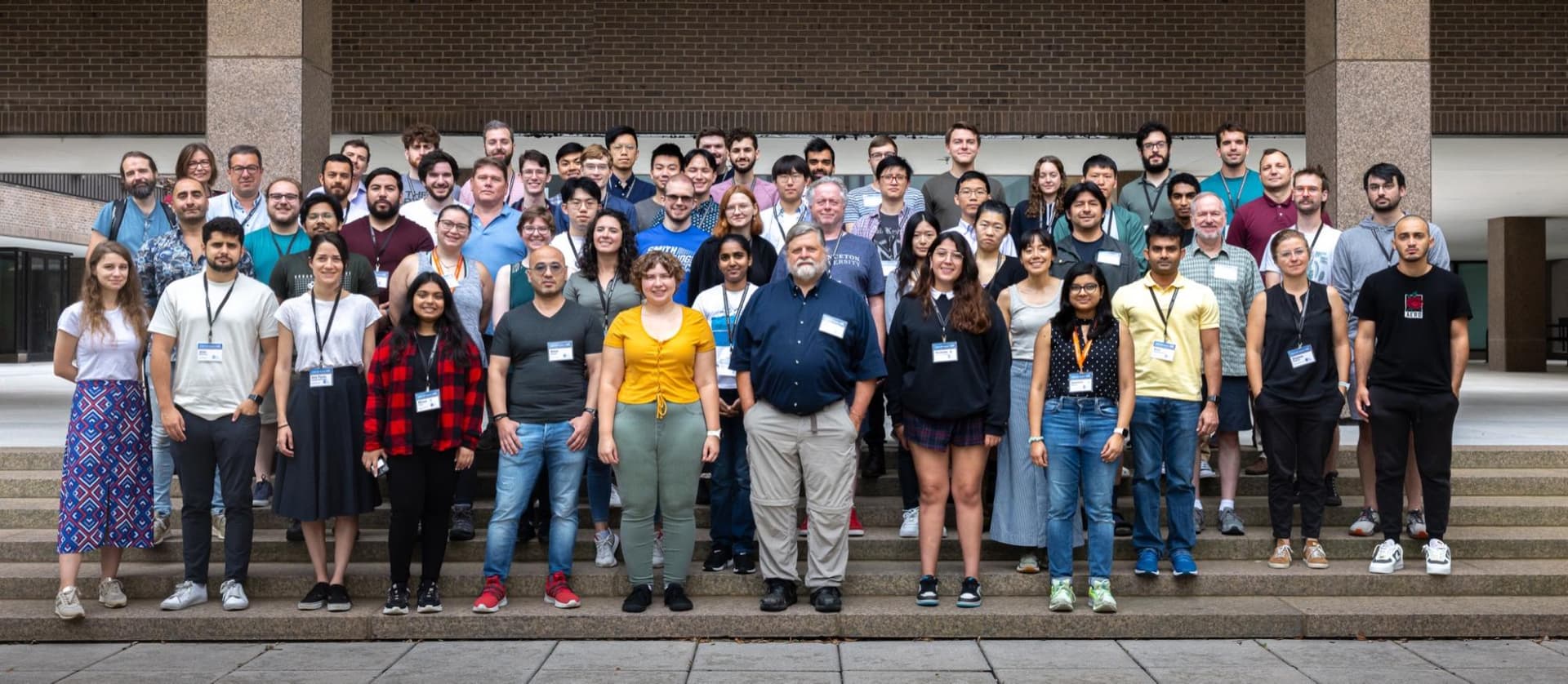
Rust is making its way onto the agenda of one of physics computing's most active community organizations. The HEP Software Foundation, a community of software developers and researchers focused on software for High-Energy Physics, held a high-level discussion at Coordination Meeting #304 on March 12, 2026, highlighting plans to develop Rust-focused training for the HEP community and establishing a working timeline for related community events.
The discussion marks a meaningful signal for where the HSF sees the language fitting into the broader HEP software ecosystem. While the meeting-level conversation was described as high-level, the fact that it appeared on the coordination agenda at all reflects growing institutional interest in Rust as a tool for the kinds of performance-critical, safety-sensitive software that high-energy physics experiments demand.
The HSF runs its coordination meetings on a biweekly cadence, held on odd weeks of the year, and keeps them open to anyone interested in its activities. The meetings serve as a clearing house for reviewing planning for future events, passing on items of interesting news, and discussing new HSF activities, with minutes regularly published on the HSF website. Coordination Meeting #304 follows that format, and its minutes are expected to appear there in the normal course of publication.
The foundation already maintains an active portfolio under its HSF Training activity area, alongside community programming that includes Google Summer of Code participation, a Season of Docs program, and the PyHEP and JuliaHEP working groups dedicated to Python and Julia in HEP respectively. A Rust training initiative would represent a natural expansion of that language-focused programming, though the research notes from the meeting do not specify whether any planned Rust training will take the form of an in-person school, an online course, a workshop series, or something integrated into existing HSF Training infrastructure.

Similarly, no specific timeline milestones, instructors, or curriculum details were disclosed at this stage. The "working timeline for community events" discussed at the meeting remains unpublished, and the names of participants or presenters at Coordination Meeting #304 were not identified in the available record.
For those wanting to track how this develops, the HSF publishes coordination meeting minutes through its website and maintains a Community Calendar listing upcoming Training Schools and Events and Workshops. Volunteers also chair the coordination meetings on a rotating basis, with a sign-up schedule and a guide for new chairs posted on the site. Indico serves as the primary platform for accessing meeting records.
The HSF's existing ecosystem, which spans activity areas from Detector Simulation and Physics Generators to Reconstruction and Software Triggers and Software Developer Tools and Packaging, gives any Rust training effort a large and technically sophisticated potential audience from day one.
This article was produced by Prism’s automated news system from verified source data, official records, and press releases, then run through automated quality and moderation checks before publishing. The system is built and supervised by the people who set the standards it runs under. Read our full AI policy.
Did this article answer your question?