Linux 6.12 Brings Rust-Powered Panic Handler With Colorful Error Displays
Arch Linux is shipping Linux 6.12's new Rust-written DRM panic handler by default, giving users a colorful, scannable-QR-code crash screen instead of a frozen display.
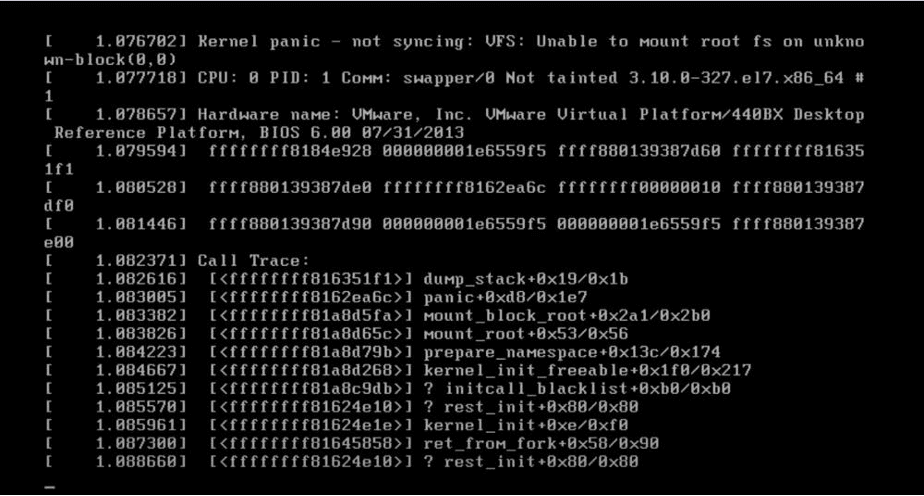
When Arch Linux users started hitting kernel panics after upgrading to the 6.12 kernel series, many were caught off guard: instead of a frozen screen or a wall of white-on-black kmsg output, they got a structured, colorful crash display complete with a scannable QR code. It wasn't a third-party tool or a distro patch. It was upstream Linux, and it was written in Rust.
The QR code support landed in Linux 6.12 via a drm-misc-next pull request and is written entirely in the Rust programming language, meaning the Rust kernel build must be enabled to use it. The code was merged into Linux kernel version v6.12-rc1, with Arch Linux enabling it in its kernel.
The feature lives inside the Direct Rendering Manager (DRM) subsystem. When a Linux kernel panic occurs, the system normally displays error messages on screen, but those messages often get cut off, making it hard to capture all the information needed for troubleshooting. The new QR code support changes this by encoding extensive debugging information into a simple, scannable image. The new panic screen embeds kmsg data directly in the QR code, so the main advantage is that you can effectively copy-paste the debug data straight into a bug report by scanning it with a phone.
The choice of Rust for this specific component was deliberate. The project was written in Rust because memory safety is critical in a panic handler, and the QR code encoder is self-contained, using only a provided memory buffer, which removes the need for complex bindings and made it straightforward to merge into the kernel. The developer behind the implementation noted that the Rust code was "cleaner, and easier to read than the C equivalent," even coming from someone far more experienced in C.
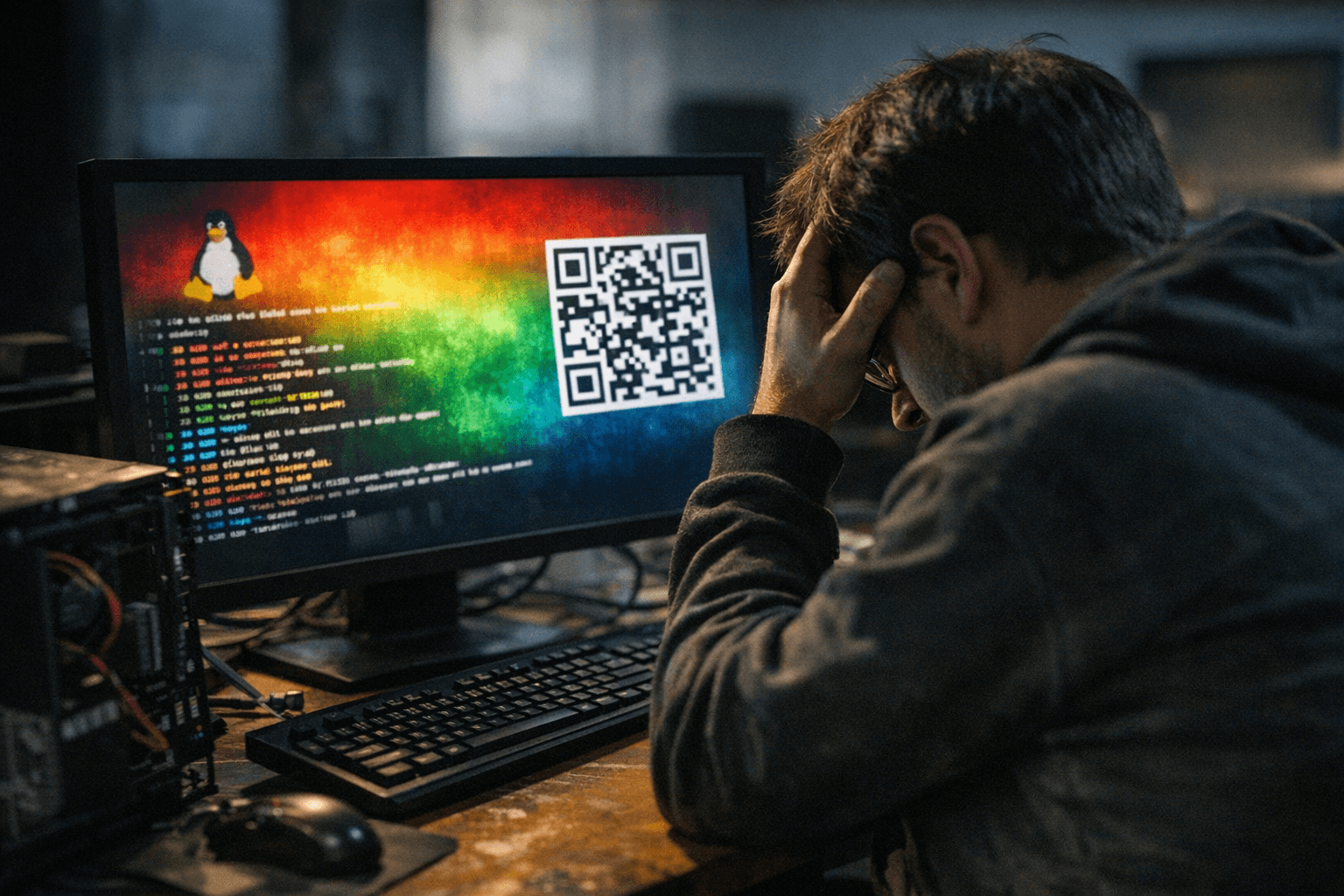
The support is guarded by the `DRM_PANIC_SCREEN_QR_CODE` Kconfig build switch. The panic screen itself can be customized, with configurable background and foreground colors, and a distribution logo can also be added. The handler provides different panic screen modes: the default "user" mode displays a simple friendly message telling the user to reboot, while setting it to "kmsg" shows the last kmsg lines, equivalent to the current fbcon behavior.
The practical motivation is hard to argue with: when a kernel panic hits, there is no copy-paste ability. Users end up taking photos of their stack traces because that's all that's available, which is frustrating for both users and admins who receive those screen photos instead of text in support requests.
Linux 6.12 implementing QR code support in Rust marks the kernel's gradual adoption of the language in components where reliability is non-negotiable. Writing a panic handler in a language that enforces memory safety at compile time is exactly the kind of low-stakes-surface, high-consequence code that makes Rust's value proposition concrete rather than theoretical. For the Rust-for-Linux effort, this is less a headline feature than a quiet proof of concept: Rust code, in the kernel, enabled by default, handling the moment everything else has already gone wrong.
This article was produced by Prism’s automated news system from verified source data, official records, and press releases, then run through automated quality and moderation checks before publishing. The system is built and supervised by the people who set the standards it runs under. Read our full AI policy.
Did this article answer your question?