rust-analyzer Changelog 321 Brings IDE Improvements for Rust Developers
Rust-analyzer's 321st weekly changelog fixes TraitRef generic inference and associated type shorthand resolution, two persistent sources of false diagnostics in async and trait-heavy Rust.
Six hundred and forty-eight megabytes of memory freed. Thirty-one seconds shaved from rust-analyzer's own self-analysis pass. That was December's Changelog #307. By March 30, Changelog #321 was tackling something less quantifiable but just as consequential: the false-positive type errors that make async and trait-heavy Rust code appear broken when it isn't.
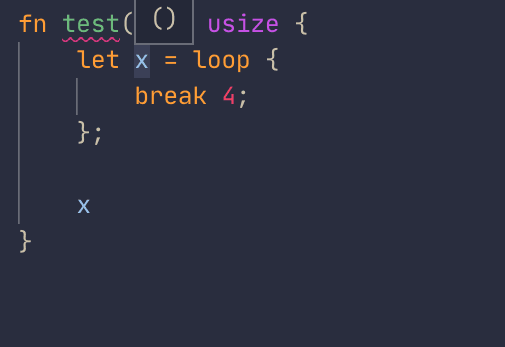
The centerpiece of #321 is a pair of type inference fixes that address the same problem class from two angles. PR #21820 teaches the language server to properly infer generic arguments for TraitRef and its associated types, a gap that produced spurious errors in code relying on complex trait bounds. PR #21785 resolves a separate friction point by allowing duplicate associated type shorthand resolution when both occurrences point to the same underlying type, a pattern that surfaces frequently in generated code and heavy proc-macro usage. Both fixes reduce the number of red squiggles that developers would otherwise have to manually override or suppress.
The third change committed in #321, PR #21794, adds naming convention validation for union types, closing a gap where rust-analyzer enforced naming rules on structs and enums but passed unconventional union names without comment. For codebases that lean on unions in FFI layers, it aligns rust-analyzer's linting with the behavior already expected from rustc.
Below the visible diagnostics layer, Changelog #321 also continued the project's push to reduce test flakiness in slow CI runs, and tightened the integration between the language server binary and editor extension packaging for VS Code. That packaging work matters most for teams maintaining internal rust-analyzer distributions or pinning specific versions in platform toolchains.

To get the most from the TraitRef inference improvements, confirm that rust-analyzer.checkOnSave is configured and pointed at the same edition as your workspace. The prebuilt binaries for Windows, Linux, and Mac update on the same weekly rhythm as the changelog, so pulling the latest VS Code marketplace extension or Neovim plugin picks up PR #21820 and #21785 immediately.
The December memory benchmark illustrates why each individual changelog entry compounds rather than stands alone. Between token tree compression cutting 120 MB in January's Changelog #309 and the 31-second indexing improvement in December, the edit-compile-debug loop for large Rust projects is measurably shorter than it was six months ago. Changelog #321 extends that streak, backed by the same organizational structure that has sustained it: Ferrous Systems leading development, with Mozilla, Embark Studios, and freiheit.com as named contributors, supplemented by an Open Collective fund that keeps the release cadence intact regardless of any single company's shifting priorities.
This article was produced by Prism’s automated news system from verified source data, official records, and press releases, then run through automated quality and moderation checks before publishing. The system is built and supervised by the people who set the standards it runs under. Read our full AI policy.
Did this article answer your question?