Rust Analyzer v0.3.2819 Brings Bug Fixes and Internal Improvements
Rust-analyzer v0.3.2819 landed March 9 with user-facing bug fixes, internal improvements, and fresh first-time contributor patches.
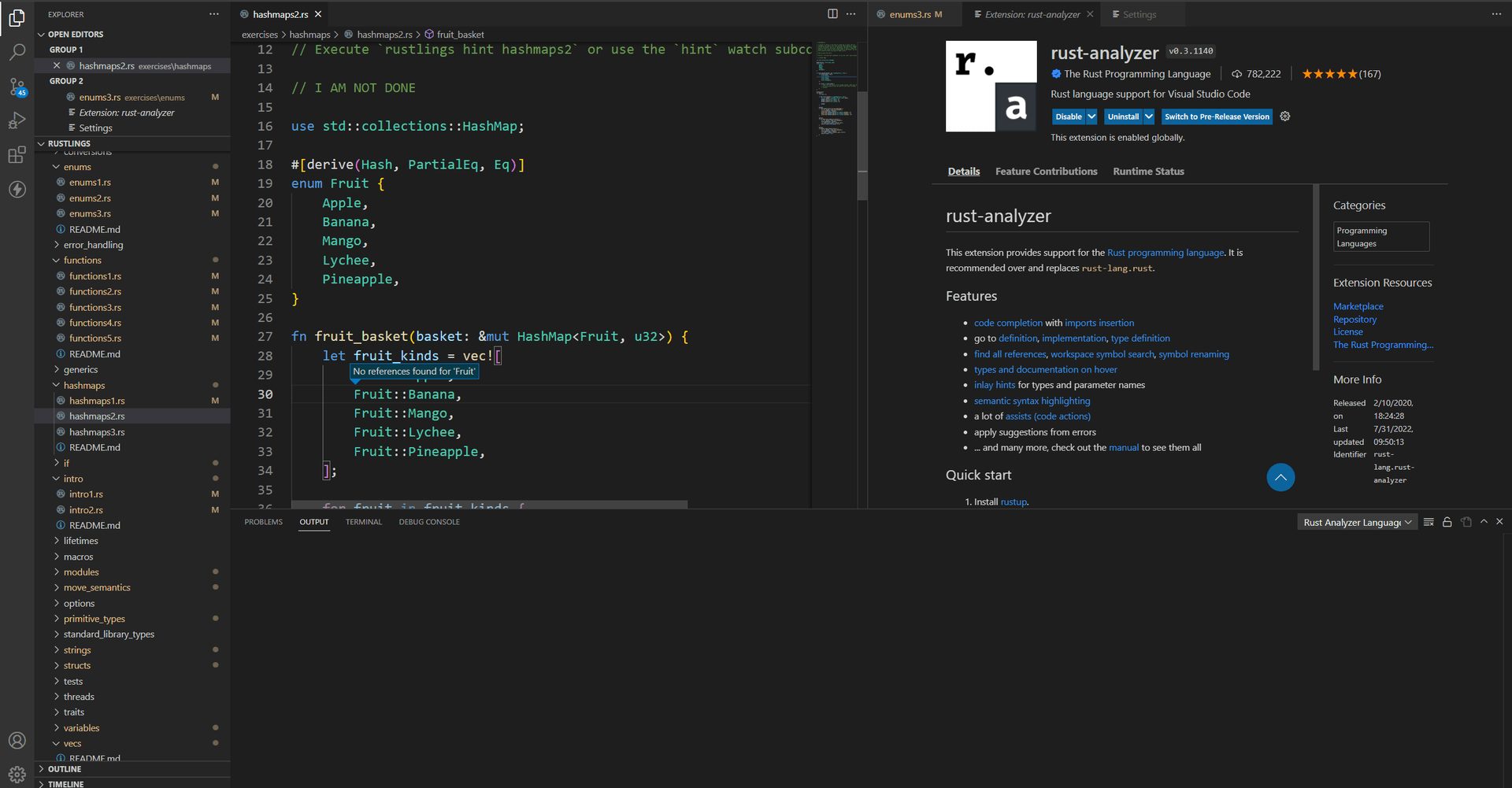
The rust-analyzer project shipped version 0.3.2819 on March 9, 2026, delivering a focused round of bug fixes, internal improvements, and code from contributors making their first appearances in the project's changelog.
The release, published to the official rust-analyzer GitHub releases page, follows the project's steady cadence of incremental updates that keep the IDE experience tight for developers writing Rust day to day. Rather than a sweeping feature drop, v0.3.2819 represents the kind of maintenance work that keeps rust-analyzer reliable: targeted fixes for user-facing issues alongside internal refactors that clean up the codebase without necessarily changing what shows up in your editor.
First-time contributors are among those credited in the release, which reflects one of the more consistent patterns in rust-analyzer's development history. The project has long served as an entry point for Rust developers looking to contribute to tooling infrastructure, and new names appearing in a changelog is a sign that pipeline remains open.

For a tool that sits at the center of nearly every serious Rust development workflow, whether through VS Code's rust-analyzer extension, Neovim's LSP client, or any other editor with Language Server Protocol support, the cadence of these releases matters. Each version carries the potential to smooth out an autocomplete edge case, fix a false positive diagnostic, or cut the latency on a go-to-definition call that fires dozens of times per session.
Version 0.3.2819 is available now through the project's standard distribution channels on GitHub.
This article was produced by Prism’s automated news system from verified source data, official records, and press releases, then run through automated quality and moderation checks before publishing. The system is built and supervised by the people who set the standards it runs under. Read our full AI policy.
Did this article answer your question?