Rust Developer Catalogs 800 Terminal Projects Across Three Years of Discovery
Orhun Parmaksız cataloged 786 Mastodon posts over 1,203 days to surface the 99 best Rust terminal UI projects, revealing a TUI ecosystem that has quietly exploded.
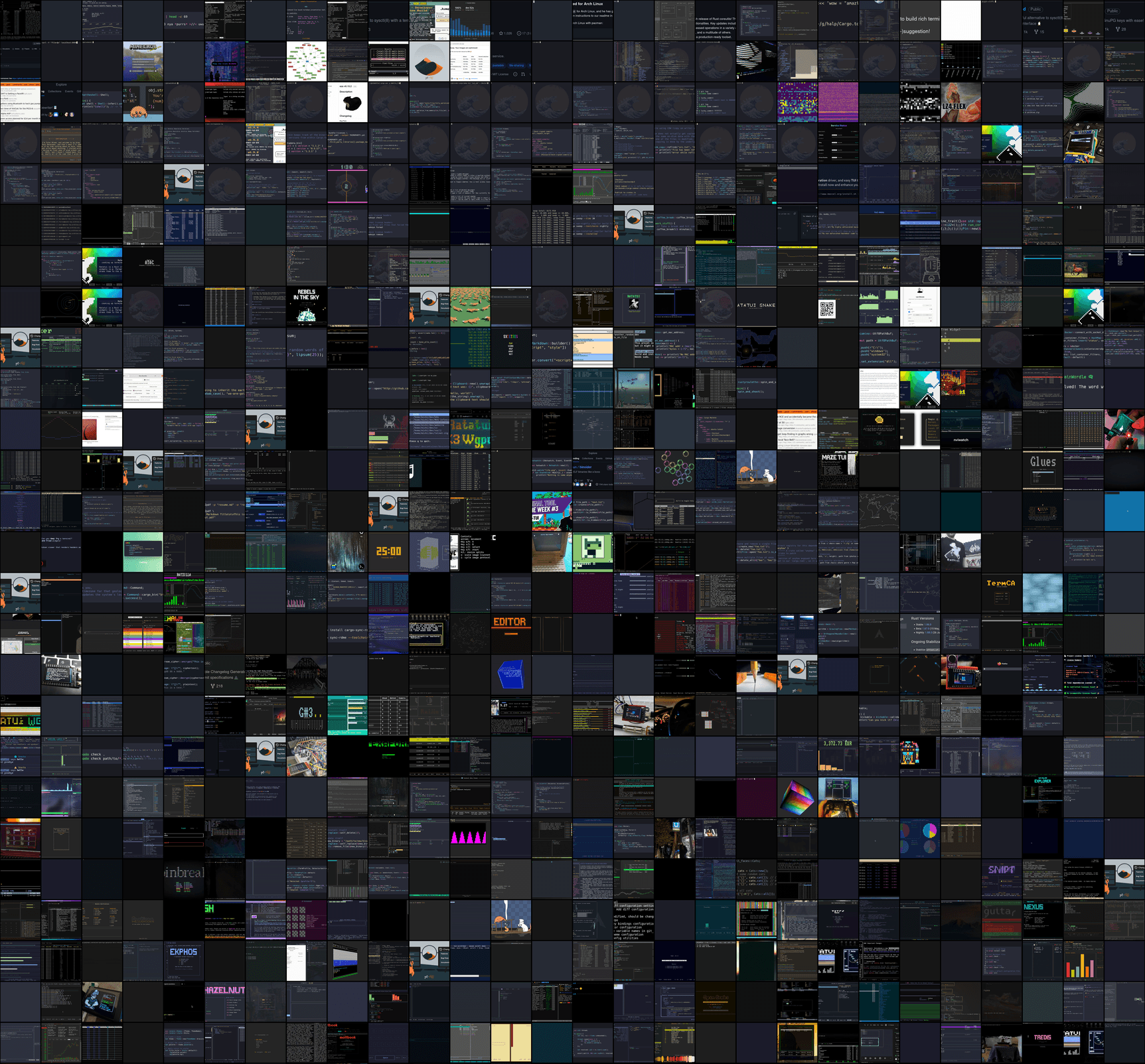
Three years of combing through GitHub repositories, one Mastodon post at a time, produced something Orhun Parmaksız had not quite planned: a personal archive of nearly 800 Rust terminal UI projects. The Ratatui maintainer published a blog post distilling that archive into a curated Top 99 list, using engagement data from 786 posts spanning December 15, 2022 to March 31, 2026.
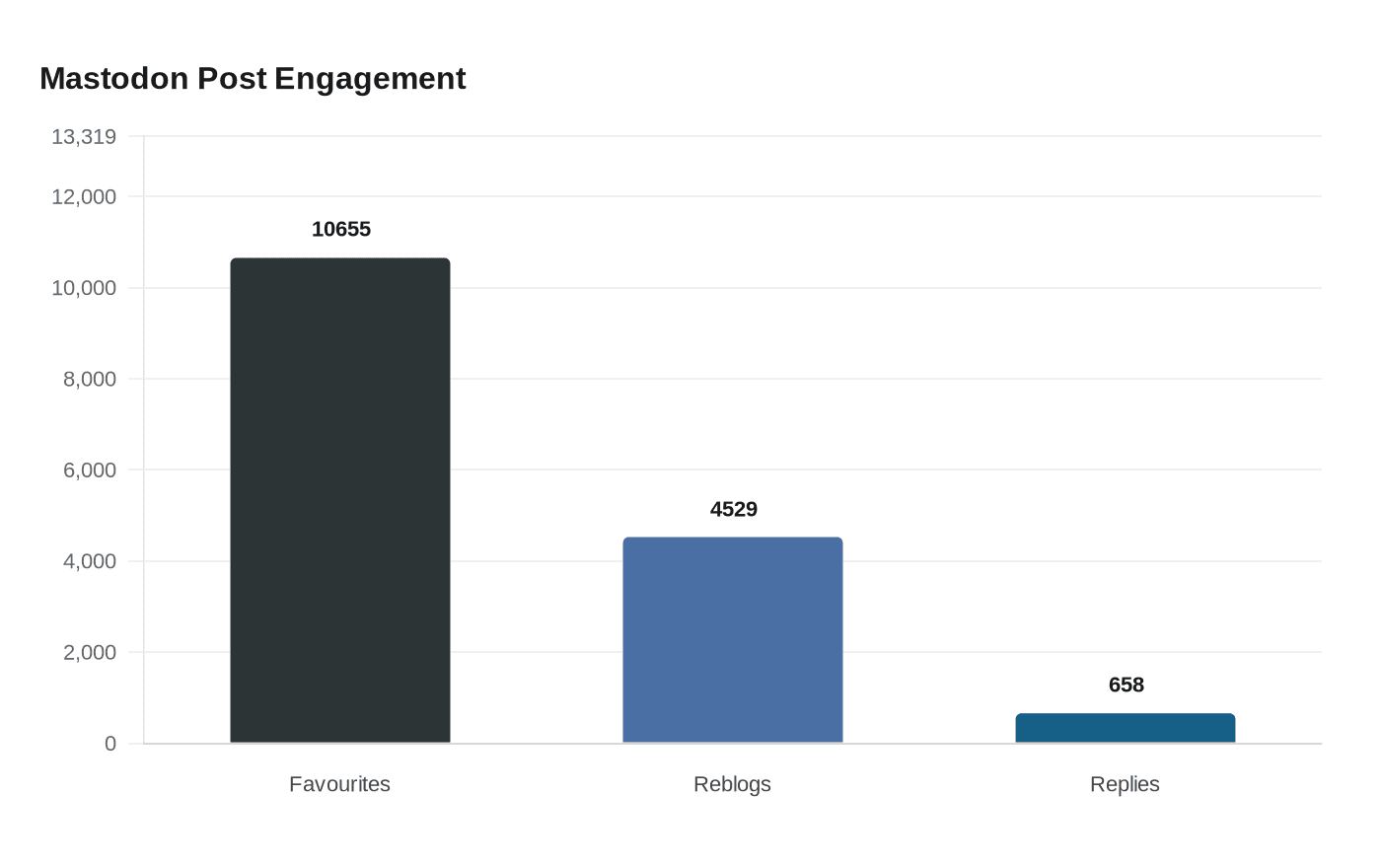
The methodology was, fittingly, written in Rust. Parmaksız used the megalodon-rs library to fetch all his Mastodon project posts and serialize them as structured JSON, then ranked each project by multiplying its favourites, reblogs, and replies together. Across 653 active posting days, those 786 posts earned 10,655 total favourites, 4,529 reblogs, and 658 replies, averaging 13.56 favourites and 5.76 reblogs per post. Parmaksız acknowledged the formula "may not be a perfect indicator of a project's quality or popularity," but the volume of data across 1,203 days gives the resulting list genuine weight.
The effort reflects a broader mission he has pursued since 2022. "I like Rust and I want more people to use it," he has said, and his project-sharing habit across Mastodon, X, Bluesky, and LinkedIn has made him one of the more visible advocates for Rust in the terminal space. Beyond the blog post, he is the creator of git-cliff, a changelog generator following Conventional Commit specifications; kmon, a Linux kernel manager and activity monitor; and binsider and systeroid, alongside maintaining Rust packages for both Arch Linux and Alpine Linux. He has 35 GitHub sponsors.

Ratatui sits at the center of all of it. The library was forked from tui-rs, originally created by Florian Dehau, after development on tui-rs stalled in early 2023. Parmaksız and collaborators set up a Discord server to discuss the fork on February 2, 2023; the original author proposed a transfer plan on February 8 before going silent on the matter; and the fork went live on February 14. The first release, v0.20.0, shipped March 19, 2023. Within six months, Ratatui was declared the official successor of tui-rs, and migration from existing tui-rs projects followed.
The library has continued expanding its reach well beyond the terminal. Ratatui v0.30.0, released at the end of 2025, converted the crate to no_std, removing the dependency on Rust's standard library and opening it up for embedded platforms including Cortex-M microcontrollers. Parmaksız also created Ratzilla, which renders Ratatui interfaces directly in the browser via WebAssembly, pushing the project further from its terminal-only origins.
Community reception has tracked with that growth. In a Terminal Trove interview, Parmaksız described the reaction to the project: "Generally, I would say people are excited (sometimes even blown away) by how far we have come as a project." He organized the 'Rat in the Wild' community challenge in 2025, gifting aprons to participants, and gave conference talks at RustLab and EuroRust 2024 covering common Ratatui patterns and the full range of what the library can build.
The Top 99 list is a byproduct of sustained attention to the ecosystem, not a culminating effort. With Ratatui now targeting both embedded silicon and browser runtimes simultaneously, the next three years of discovery may look very different from the last.
This article was produced by Prism’s automated news system from verified source data, official records, and press releases, then run through automated quality and moderation checks before publishing. The system is built and supervised by the people who set the standards it runs under. Read our full AI policy.
Did this article answer your question?