Rust for Linux gains momentum in live Rust Week discussion
Rust Week’s kernel discussion showed Rust for Linux moving from experiment to core infrastructure, with docs, drivers and APIs now hardening in public.

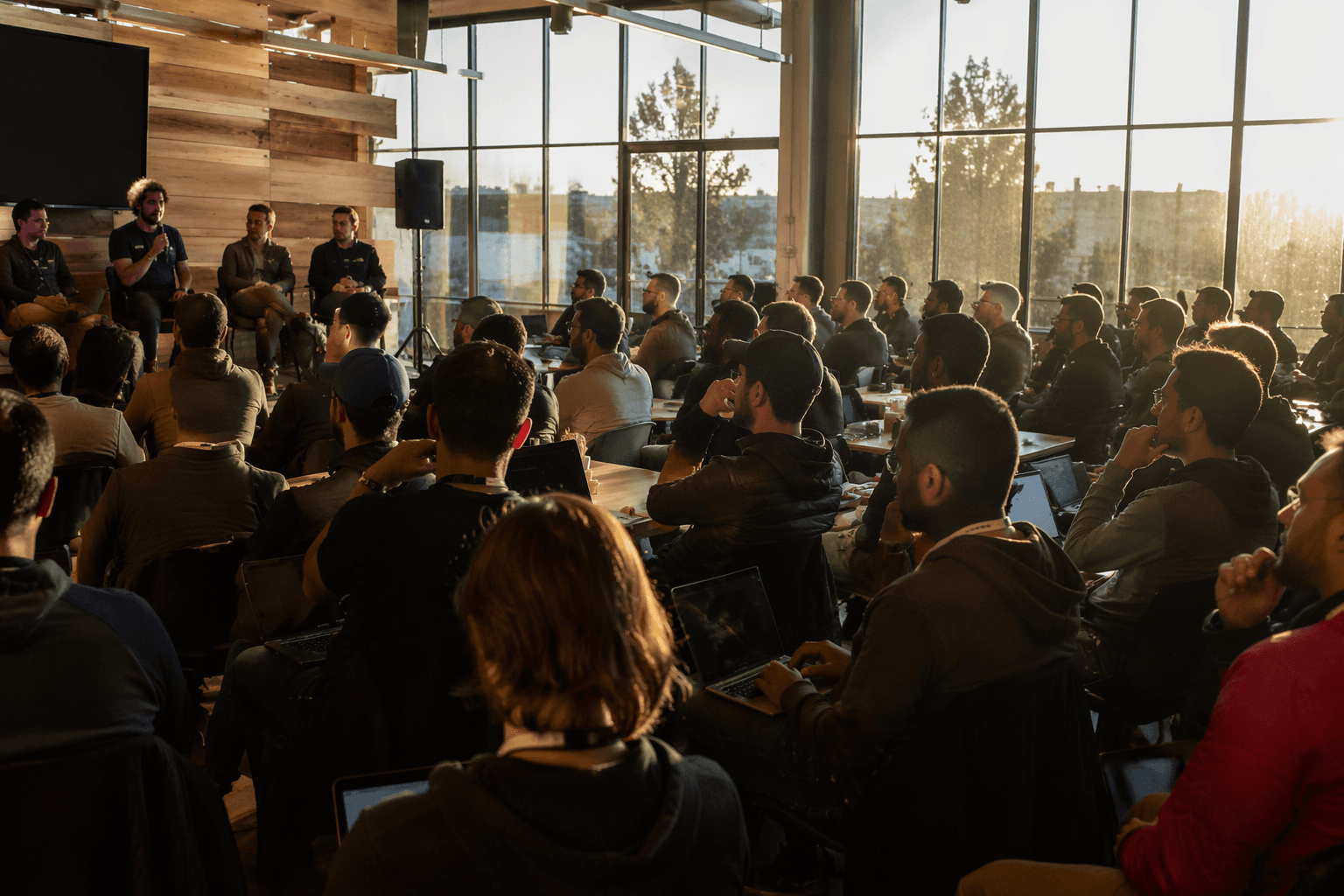
Rust in the Linux kernel was no longer being treated like a side project when Alice Ryhl and Greg Kroah-Hartman sat down in Utrecht for a live Rust Week discussion. The timing mattered: the conversation landed just after RustWeek 2026, which ran May 18-23 in the Netherlands and drew more than 900 community members, professionals and maintainers into a week of talks, workshops, a hackathon, social events, an unconference and the second Rust Project All Hands.
What stood out in the discussion was not a dream of rewriting Linux from scratch. It was the opposite: a sober picture of Rust being threaded into one of the largest codebases in computing, an existing 35-million-line C kernel that still has to keep shipping. That framing has become the real story around Rust for Linux. The question is no longer whether Rust can exist near the kernel. It is how carefully it can be integrated without breaking the machinery already in place.
The kernel itself now reflects that shift. Linux documentation has a dedicated Rust section, with pages for quick start, general information, coding guidelines, arch support and testing. The docs also note that Rust support was merged into mainline in Linux v6.1 to test whether the language was suitable for kernel work. Inside that environment, Rust code runs under `no_std`, using `core` rather than the Rust standard library, which is a reminder that this is systems programming with almost all the comforts stripped away.
That hard edge is part of what gives the project its legitimacy. Rust for Linux is not just a slogan anymore; it has visible in-tree work behind it, including Android Binder, NVMe, DRM, null block and other Rust drivers or subsystems. The project site now presents branch structure, tooling and documentation as ongoing infrastructure, not as placeholders. For kernel developers, that means the real debate has moved to the seams: build integration, the `kernel` crate, subsystem abstractions and the discipline needed to let Rust and C coexist for years.
Ryhl and Kroah-Hartman made that tension feel current rather than theoretical. Rust in the kernel still has friction, but the live Rust Week discussion showed something more important than consensus: the project is past the point of being a curiosity. The argument now is about fit, ownership and the mechanics of adoption, which is exactly what you would expect when a language starts becoming part of the Linux kernel’s permanent shape.
This article was produced by Prism’s automated news system from verified source data, official records, and press releases, then run through automated quality and moderation checks before publishing. The system is built and supervised by the people who set the standards it runs under. Read our full AI policy.
Did this article answer your question?