Rust Foundation backs Symposium, a dependency-based agent extension system
Rust Foundation is steering its Innovation Lab toward AI-agent plumbing, and Symposium aims to turn crate metadata into automatic skills and MCP extensions.
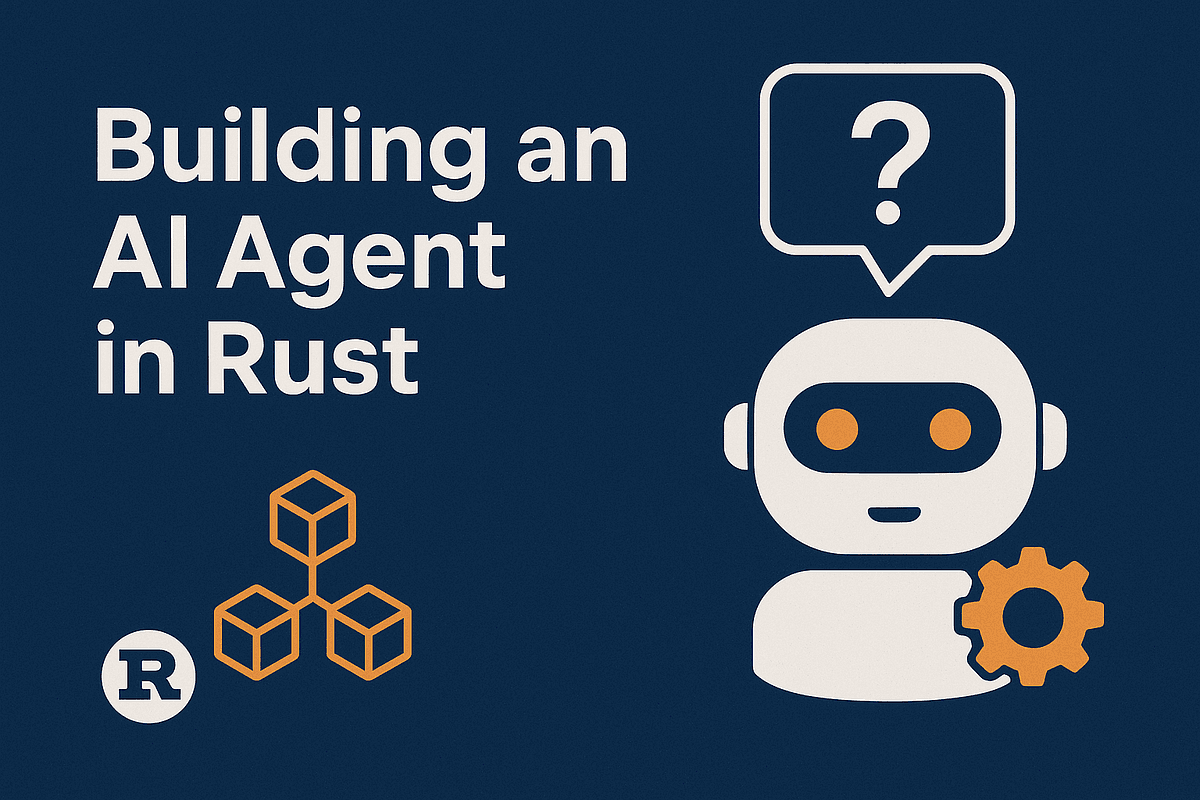
The Rust Foundation is putting its second board-approved Innovation Lab project behind a very specific piece of infrastructure: the gap between a Rust crate and the agent that tries to use it. Symposium automatically installs skills, MCP servers, or other extensions based on crate dependencies, a move meant to make agentic development more interoperable, reliable, and token-efficient.
That is a different kind of bet from the Lab’s first project, Rustls. When the Rust Innovation Lab launched on September 3, 2025, Rustls came in as the inaugural project, with the Lab promising governance, legal, networking, marketing, and administrative support while leaving technical direction with maintainers. Rustls was already the Foundation’s example of core ecosystem infrastructure: a memory-safe TLS library, the most popular way to build secure connections in Rust, and one of the top 100 packages on crates.io. Symposium points the same backing model at a new layer of the stack.

The practical problem it is meant to solve is easy to recognize for anyone building with AI-assisted tools: today’s agents do not know, by default, what extra skills a crate expects, what MCP servers should be installed, or how to bridge different hook formats across tools. Symposium tries to make that automatic. Its design centers on a recommendations repository that maps crates to plugins and other extensions, then installs those pieces when a developer opens a project with an agent. The roadmap also leaves room for multiple repositories, custom organizational policies, and eventually packaging extensions directly with crates instead of depending on one central catalog.
That makes the project feel less like a side experiment and more like an attempt to define Rust’s answer to agent distribution. The Rust Foundation said in March 2026 that Innovation Lab projects are chosen because they showcase Rust’s strengths, fill a gap for Rust developers, and create value the Foundation can uniquely add. Symposium fits that description tightly, especially because it leans on Rust values the community already understands: interoperability, extensibility, and vendor neutrality.
Nicholas Matsakis, who leads Symposium and co-leads the Rust language design team, is the face of that push. The pitch is that the people who know a crate best should be the ones teaching agents how to use it, not a generic prompt layer bolted on later. That matters as the broader agent ecosystem hardens around standards: the Agentic AI Foundation launched in December 2025 under the Linux Foundation with MCP, goose, and AGENTS.md as founding projects.
For Rust, the signal is clear. The Foundation is not only funding runtime safety and transport layers anymore. It is also backing the middleware that decides how agents discover, extend, and assist Rust code. If Symposium takes hold, crate authors may shape not just compilation and execution, but the behavior of the agents working beside their code.
This article was produced by Prism’s automated news system from verified source data, official records, and press releases, then run through automated quality and moderation checks before publishing. The system is built and supervised by the people who set the standards it runs under. Read our full AI policy.
Did this article answer your question?