Rust Project Joins Outreachy for May 2026 Internship Cohort
Rust backed Outreachy interns with up to $25,000, betting mentor time and funding on a pipeline that can shape future maintainers and compiler contributors.
Rust is putting real money and mentor capacity behind its next wave of contributors, joining Outreachy for the May 2026 internship cohort and treating the move as more than a diversity gesture. The project’s Leadership Council proposed setting aside up to $25,000 to support as many as three interns, a commitment aimed at a pipeline that can produce future maintainers, reviewers, and compiler contributors, not just a seasonal burst of activity.
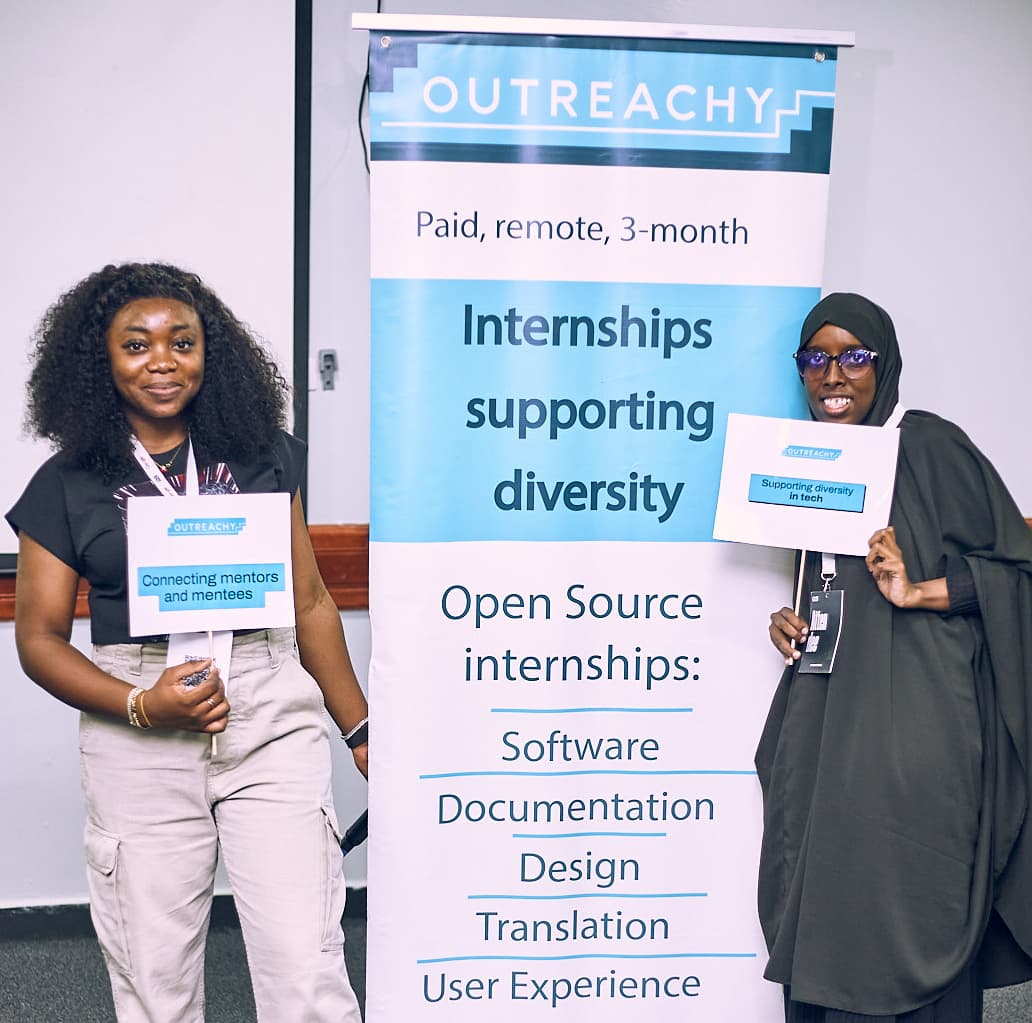
Outreachy’s structure makes that bet concrete. The program is paid, remote, and three months long, with interns receiving a $7,000 stipend. It is designed for people from groups underrepresented in tech and for newcomers making their first open-source contributions, a fit for Rust because the hardest part of getting involved is often not the code itself but finding a path through a technically dense ecosystem. The applicant guide says interns do not have to move, and the internship runs from May 18, 2026, through August 17, 2026.
The timeline was already set in motion before the May 4 announcement on the Rust Blog. Initial applications opened on February 6 at 4 p.m. UTC. The final application deadline and the announcement of accepted interns both landed on May 1 at 4 p.m. UTC. Rust’s own Outreachy community page now lists a May 2026 internship community, even as the project keeps the specific topics hidden until mentors or coordinators are approved. That hidden topic list is part of the point: the program is built around guided entry into real project work, not hypothetical onboarding.
Rust’s council framed the funding carefully. Community organizations taking part in Outreachy are responsible for the stipend, plus overhead that can run from $1,000 to $3,000 per intern. The council issue also laid out Rust’s own working calendar, including a February 26 mentor sign-up deadline, a March 7 project submission deadline, and a contribution period from March 17 to April 15. In other words, this was not a one-off announcement, but a scheduling and funding decision with a defined cost.
The timing also shows how much Rust is investing in contributor growth this spring. Just four days earlier, the project announced its Google Summer of Code 2026 selected projects, after receiving 96 proposals, up 50% from the prior year, and accepting 13 Rust projects. An April Leadership Council update said the council had $306,000 in new funds and another $106,000 transferred from Project Grants into the Project Priorities budget. For a project as sprawling as Rust, that mix of funding and mentorship is the ecosystem’s long-term insurance policy.
This article was produced by Prism’s automated news system from verified source data, official records, and press releases, then run through automated quality and moderation checks before publishing. The system is built and supervised by the people who set the standards it runs under. Read our full AI policy.
Did this article answer your question?