SeaORM Integrates Apache Arrow and ClickHouse for Zero-SQL OLAP Pipelines
SeaORM now pipes data into ClickHouse with zero hand-written SQL, using Apache Arrow as the bridge between Rust entity models and columnar storage.
The Sea-QL team dropped a technical post on March 8, 2026 showing how SeaORM can drive a full OLAP/ETL pipeline into ClickHouse without a single hand-written SQL statement. The mechanism runs through Apache Arrow: derive DDL from your entity, create the table, stream batches in. That's the entire workflow.
The centerpiece is a new `arrow_schema` attribute added to the `#[sea_orm(...)]` annotation on an entity. Annotating a struct with `#[sea_orm(table_name = "measurement", arrow_schema)]` tells SeaORM to derive the Arrow schema at compile time, which SeaORM then uses to generate the corresponding ClickHouse DDL automatically. A `voltage` column typed `Decimal` and annotated with `#[sea_orm(column_type = "Decimal(Some((38, 4)))")]` in the Rust struct becomes `Decimal(38, 4)` in ClickHouse; a `ChronoDateTime` field becomes `DateTime64(6)`; a `LowCardinality(String)` device column lands exactly as you'd expect. The generated DDL for the `sensor_readings` example uses `ReplacingMergeTree()` with a primary key on `(recorded_at, device)`, a sensible default for time-series sensor data where late-arriving duplicates need deduplication.
On the insertion side, three methods carry the load. `measurement::Entity::arrow_schema()` returns the compile-time schema. `measurement::ActiveModel::to_arrow(&models, &schema)?` takes a slice of `ActiveModel` instances and converts them into an Arrow `RecordBatch`, with the `?` making the fallibility explicit. From there, `client.insert_arrow("measurement", &schema).await?` opens an insert handle, `insert.write_batch(&batch).await?` sends the data, and `insert.end().await?` finalizes the transaction. The transport is HTTP, which keeps the ClickHouse client dependency straightforward.

The appeal here is the compile-time guarantee. The Arrow schema isn't derived at runtime from reflection or a config file; it's baked in during compilation, which means type mismatches between the Rust model and the ClickHouse table surface as build errors rather than runtime panics in a production pipeline. For anyone who's chased down a silent column type mismatch in an ETL job at 2 a.m., that's a meaningful shift.
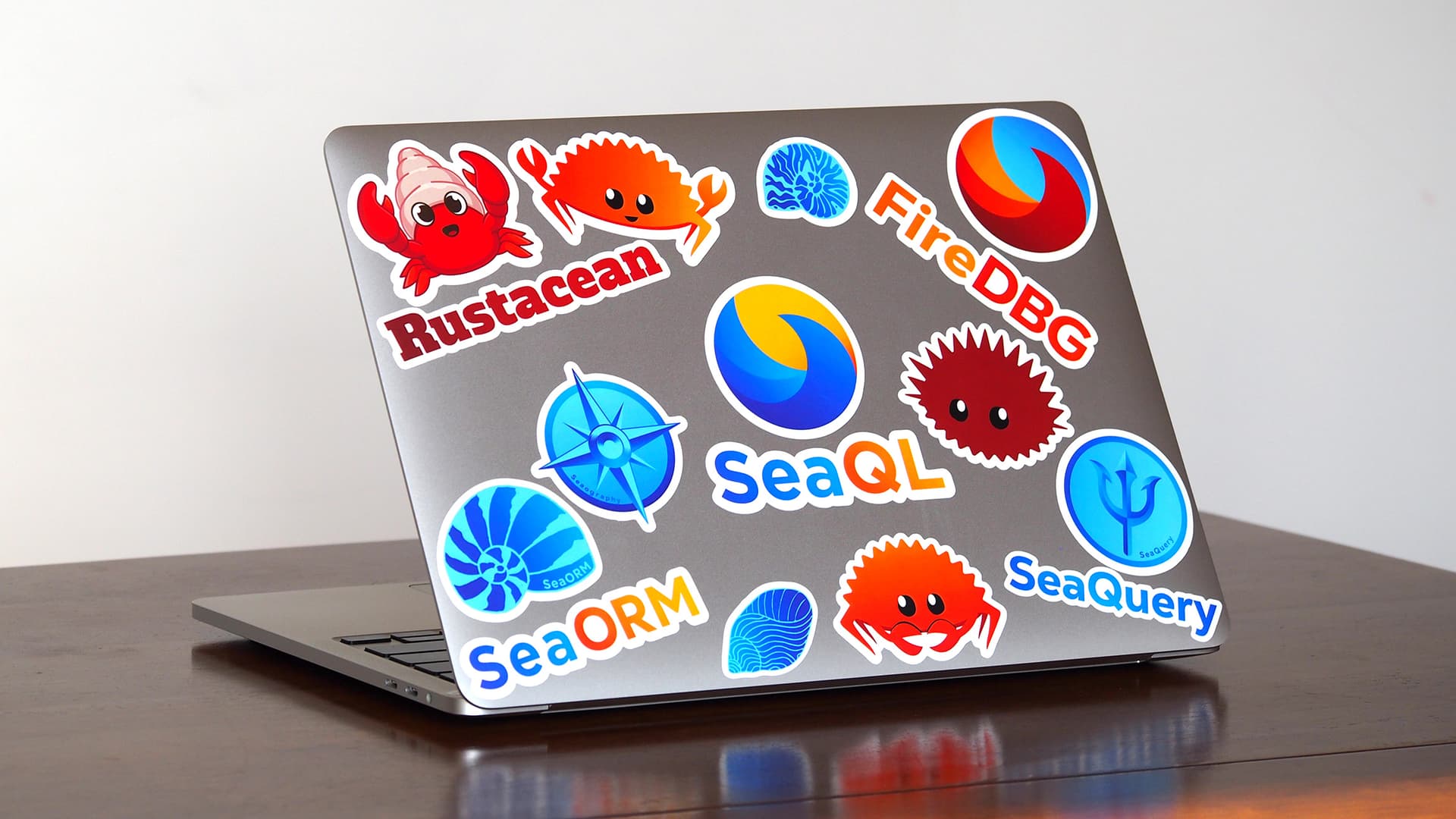
All the examples the post references are available as runnable code in the Sea-QL repository. The Sea-QL team is also promoting their Rustacean Sticker Pack alongside the release, featuring premium water-resistant vinyl with a matte finish, available through SeaQL's community channels for those who want to show some crab allegiance while their pipelines hum along.
This article was produced by Prism’s automated news system from verified source data, official records, and press releases, then run through automated quality and moderation checks before publishing. The system is built and supervised by the people who set the standards it runs under. Read our full AI policy.
Did this article answer your question?