ZamSync brings offline-first sync to low-bandwidth Rust deployments
ZamSync targets the messy reality of 2G, satellite, and edge links with offline-first sync, durable logs, and replay-safe operations.
When a rural clinic is running on a 2G signal or a satellite link that drops without warning, sync has to survive the network, not depend on it. ZamSync arrived on June 18 as a Rust sync engine built for exactly those conditions, with a design aimed at field data collection, self-hosted tools on shaky links, and edge deployments where connectivity is unreliable, intermittent, or painfully slow.
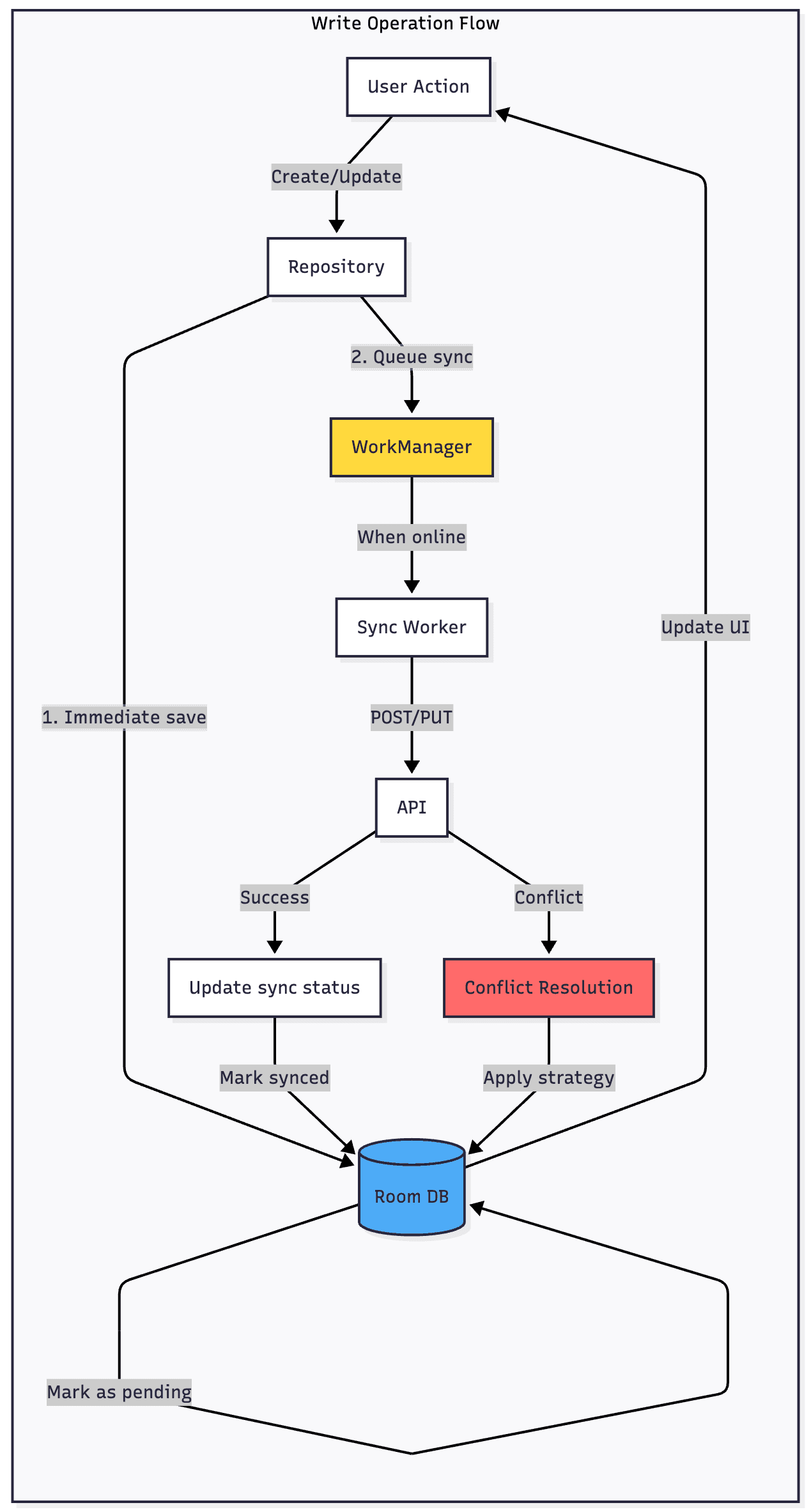
Arthur Jean built ZamSync around a hexagonal architecture, a WAL-backed event store, hybrid logical clocks, version vectors, and TCP-based peer synchronization with an asymmetric initiator-responder model. That mix points to a system that is trying to make conflict handling and state transfer routine rather than fragile. Jean also emphasized that operations are idempotent and replay-safe, a critical property when retries, disconnects, and partial writes are part of everyday use rather than edge cases.

The project gained more visibility through the Rust Users Forum, where Jean described ZamSync as a systems-level sync engine for rural clinics on 2G or satellite links. It was also picked up in This Week in Rust 656, published on June 17, which listed ZamSync in its roundup of Rust projects and community updates. That placement matters because it puts ZamSync in the middle of a broader Rust conversation about infrastructure that has to work under real constraints, not just in ideal lab conditions.
The GitHub repository describes ZamSync as a resilient offline-first synchronization engine, and its summary adds mTLS for transport security and ChaCha20-Poly1305 encryption at rest. The same framing extends to IoT environments, rural health settings, and edge deployments, where local progress matters even when the network disappears for hours or days. A DEV Community article tied to the project, “Building software for places where the internet barely exists,” reinforces that same use case.
The real appeal for Rust developers is not the name itself, but the amount of sync logic ZamSync tries to absorb. Durable logs, causal ordering, and eventual consistency are usually the parts teams end up inventing piecemeal when they need offline-first behavior. Recent offline-first edge-systems research has reported 96 to 99 percent operational availability under intermittent connectivity and up to 100 percent availability in one fully offline design, which makes ZamSync’s bet feel timely: the app keeps moving locally, then reconciles when the link finally comes back.
This article was produced by Prism’s automated news system from verified source data, official records, and press releases, then run through automated quality and moderation checks before publishing. The system is built and supervised by the people who set the standards it runs under. Read our full AI policy.
Know something we missed? Have a correction or additional information?
Submit a Tip