Sunnylands Sourdough Bakery grows from home loaves to Burpengary shopfront
Sunnylands grew the old-fashioned way: one loaf shared, then a flood of messages, markets, and a Burpengary shopfront. The lesson for home bakers is simple: trust first, scale second.
A bakery built on borrowed trust
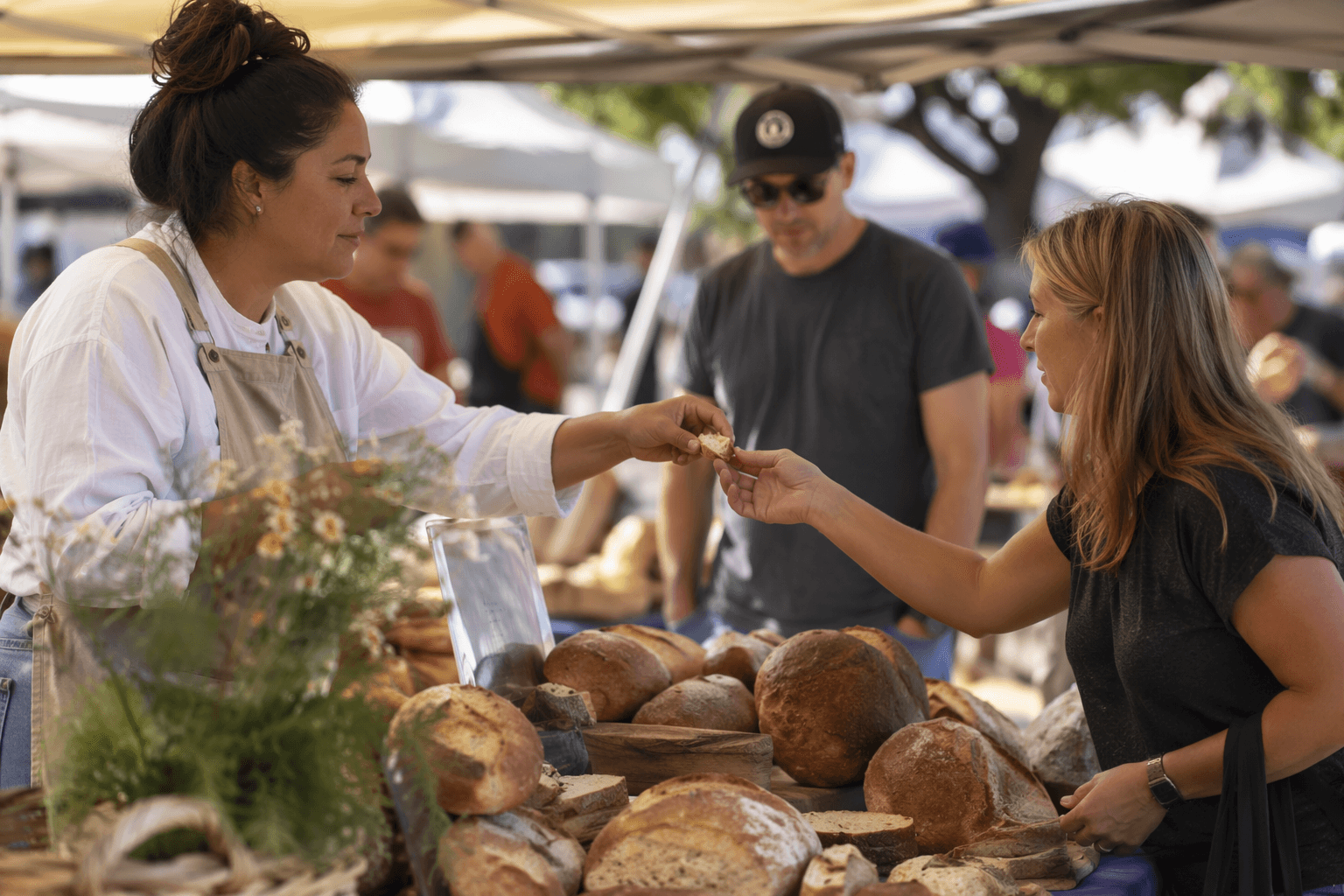
Sunnylands Sourdough Bakery did not start with a grand launch. It started with Palma Currie baking at home, then handing out loaves to friends, and letting the bread do the talking. One early turning point came when she dropped bread off for a friend who had just had a baby, and that family shared it through Volume Beauty Bar’s social media pages. After that, the direct messages started coming in from people who wanted to buy bread, not just admire it.
That is the part home bakers should pay attention to. Sunnylands did not chase attention with a flashy brand first; it earned it with a loaf people were willing to pass along. In sourdough, that kind of organic word of mouth is stronger than any polished marketing because it comes from a tasting, not a pitch.
How Sunnylands turned home baking into a business
Before the shopfront, Palma Currie put the boring but necessary pieces in place. Sunnylands obtained a food licence, then moved into sales at Burpengary Markets and built relationships with local businesses that could put the bread in front of new customers. That sequence matters because it shows a path many home bakers skip too early: validate demand, formalise the business, then expand.
Two local connections helped accelerate that growth. Palma says Basil & Vine Italian Cafe gave her an early break by using her bread in the restaurant, while BM Farm Fresh helped introduce Sunnylands to more customers through the market circuit. Basil & Vine, which opened in June 2018, was already grounded in the kind of shared dining and community connection that made it a natural fit for a small sourdough maker looking for an audience. Sunnylands was not just selling bread into a town; it was plugging into an existing food network.
- Get the formula and the handling right before you scale up.
- Use a food licence and market sales to test demand in public.
- Let local businesses become your first distribution channel.
- Build repeat customers before you build volume.
For hobby bakers, the practical lesson is clear:
That approach keeps the business rooted in real feedback instead of guesswork. It also explains why Sunnylands feels less like a random retail opening and more like the natural end point of a kitchen-table operation that kept getting stronger.
Why the bread itself kept people coming back
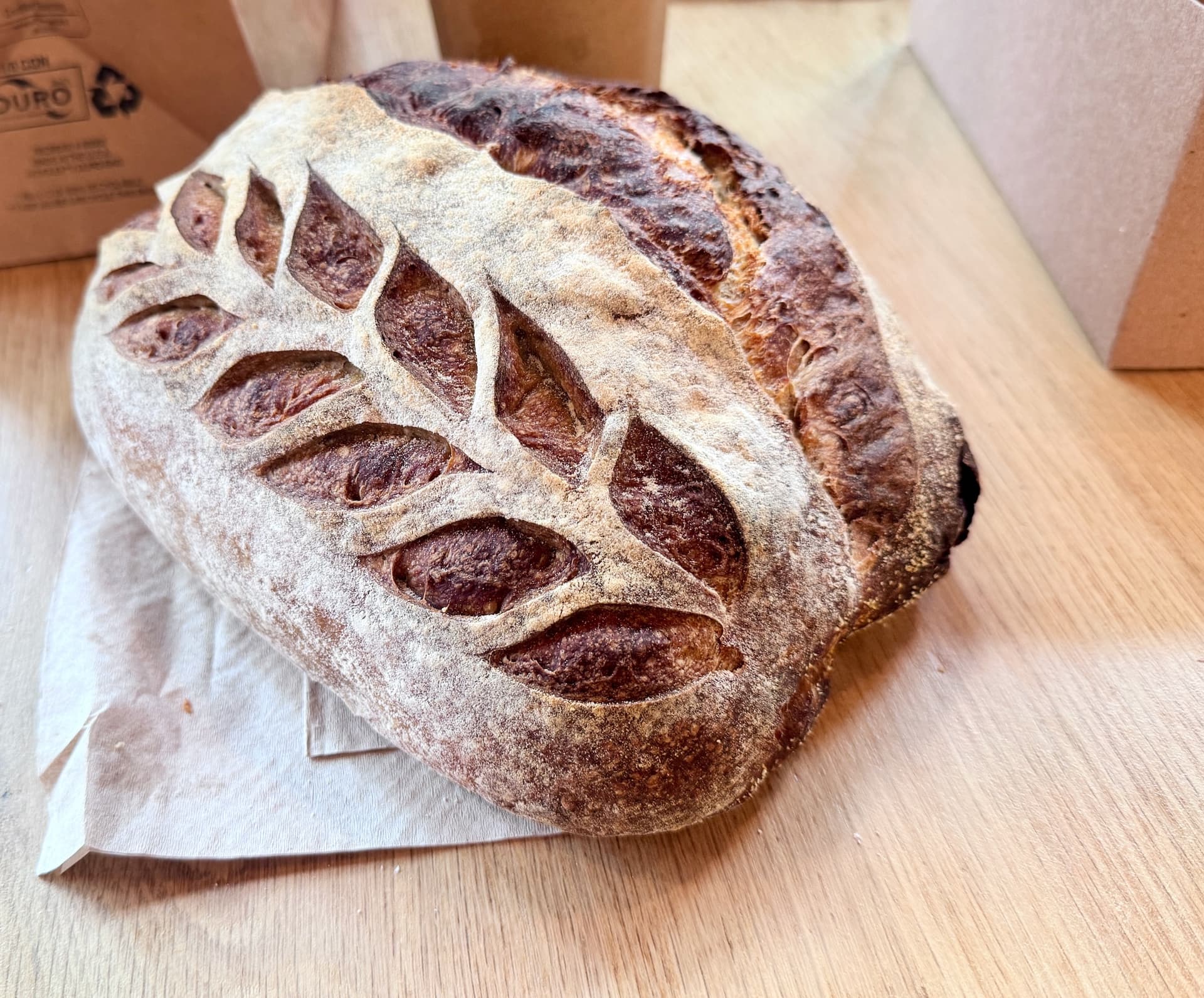
Sunnylands’ bread is still intentionally slow. Each handcrafted artisan sourdough loaf takes around 24 hours to make and uses only flour, salt, and water. That is not a gimmick, it is the whole point. The bread has to justify the wait, and the simplest formulas are often the hardest to execute cleanly.
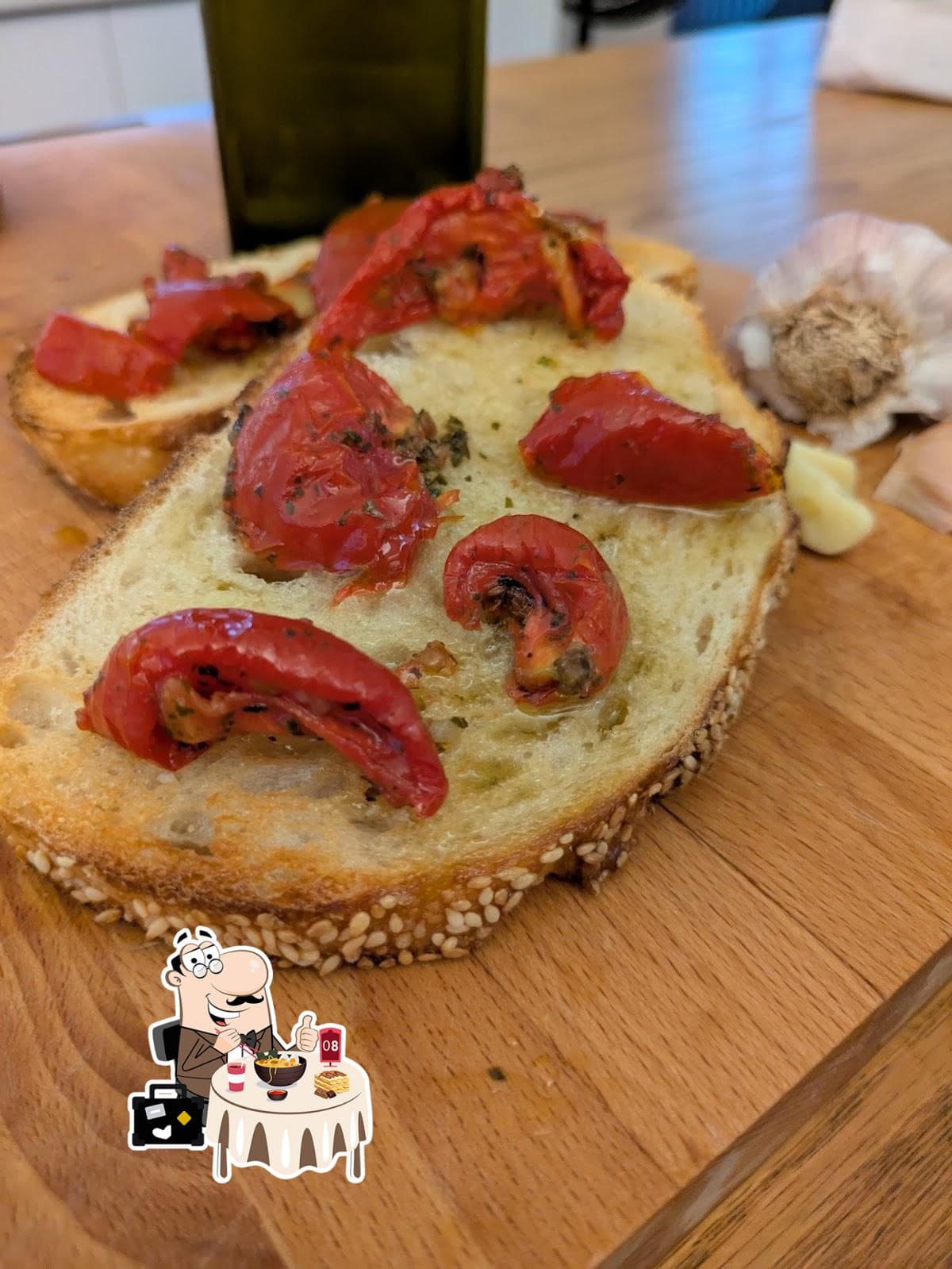
The bakery has also widened the menu without losing its identity. Alongside the loaves, Sunnylands now makes sourdough pies and sausage rolls, with even the pastry made from the bakery’s sourdough mother. Add toasties, coffee, and other fresh baked goods, and you get a counter that can serve regulars throughout the day without drifting away from the core product. The smart part here is that the expansion still comes from the same starter culture, literally and commercially.
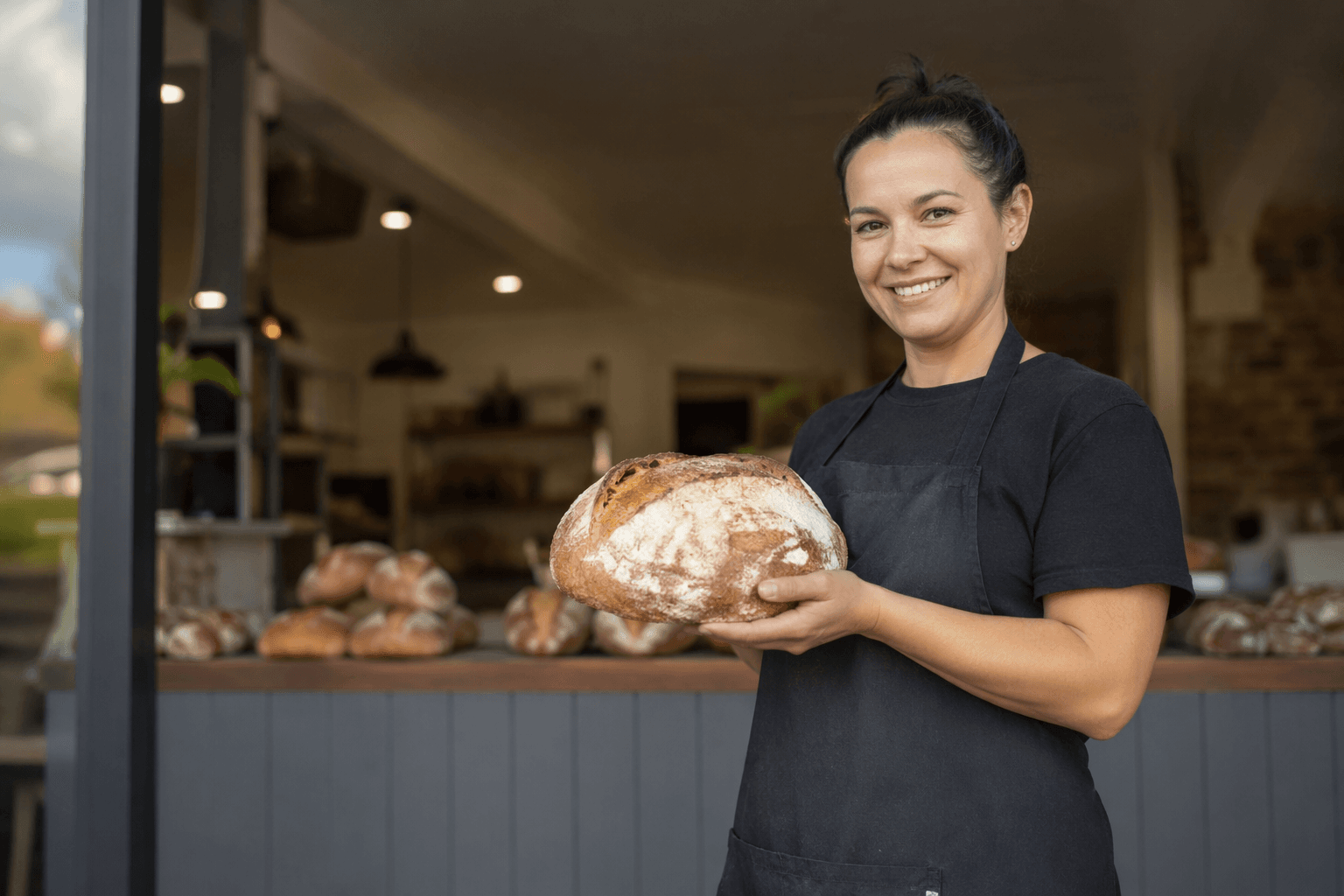
That is a useful model if you bake at home and wonder when to branch out. The answer is usually not to add more gadgets or chase every trend. It is to extend what your starter already does well. Sunnylands proves you can build a broader menu without abandoning the bread that earned the trust in the first place.
A Burpengary bakery that fits its suburb
Sunnylands’ rise makes sense in Burpengary. Moreton Daily describes Burpengary and Narangba as some of the Moreton Bay region’s fastest growing residential suburbs, and the Australian Bureau of Statistics counted 16,484 people in Burpengary at the 2021 Census, with a median age of 36. That is the profile of a place where new households, young families, and established locals all overlap, which is exactly the kind of customer base that keeps a neighborhood bakery busy.
The shop’s location beside Hungry Jack’s in Burpengary also tells you something about the setting. It is part of a suburb where everyday convenience and local food businesses sit side by side, and where a bakery can win trade by being a reliable stop rather than a novelty destination. Moreton Daily has also described Burpengary Meadows Community Market as a regular weekend destination for residents, which fits the same pattern: people already have the habit of going out for bread, produce, and a quick look around the stalls.
That local routine matters. Sunnylands did not have to teach Burpengary how to buy fresh bread; it just had to show up consistently and be worth returning to.
The people side is the real growth engine
The most revealing detail in Sunnylands’ story is not just the bread, but the people around it. Zoe and Karen started as customers before coming out of retirement to work there. That kind of transition says a lot about how neighborhood bakeries actually function when they work well. They become social anchors first, retail outlets second.
Palma Currie, who is originally from Ireland, also gave the bakery a personal thread through its name, which nods to a bakery from her hometown. That detail gives Sunnylands a sense of continuity, as if the shopfront in Burpengary is carrying something from another place and making it local through repetition, service, and good loaves. Community support did not just help the bakery grow; it helped shape who it hired, where it sold, and how it was understood.
Sunnylands is the rare bakery story that still feels grounded in the old rules. A loaf was shared, a neighbor posted it, messages arrived, markets followed, then a permanent shopfront took shape beside Hungry Jack’s. In the end, that is the cleanest sourdough lesson of all: earn trust at the kitchen table, and the street will eventually make room for you.
This article was produced by Prism’s automated news system from verified source data, official records, and press releases, then run through automated quality and moderation checks before publishing. The system is built and supervised by the people who set the standards it runs under. Read our full AI policy.
Know something we missed? Have a correction or additional information?
Submit a Tip