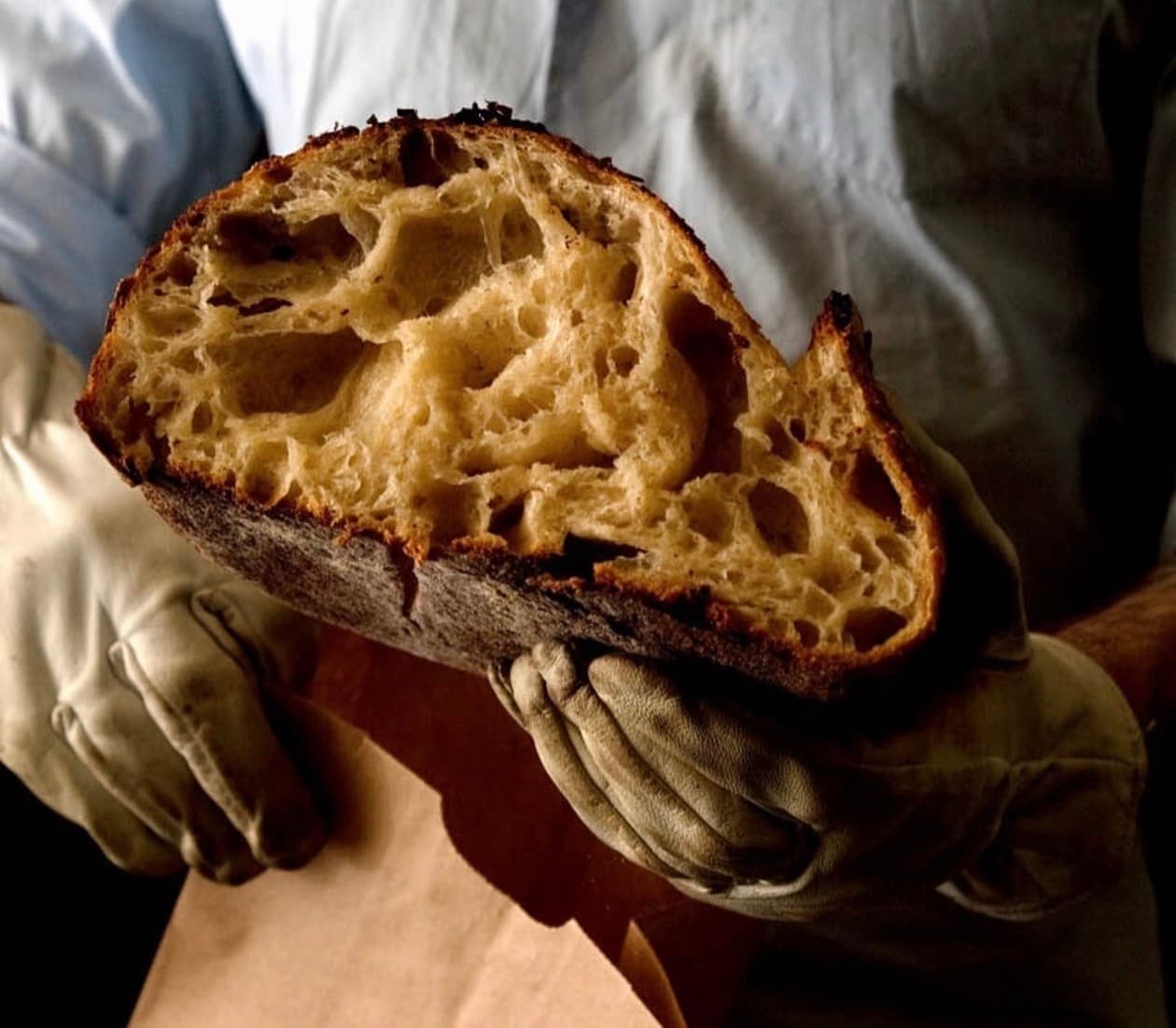
Why sourdough loaves go flat, and how oven spring works
A flat loaf is usually a clue, not a mystery. Oven spring depends on fermentation, shaping, scoring, steam, and heat working together before the crust sets.
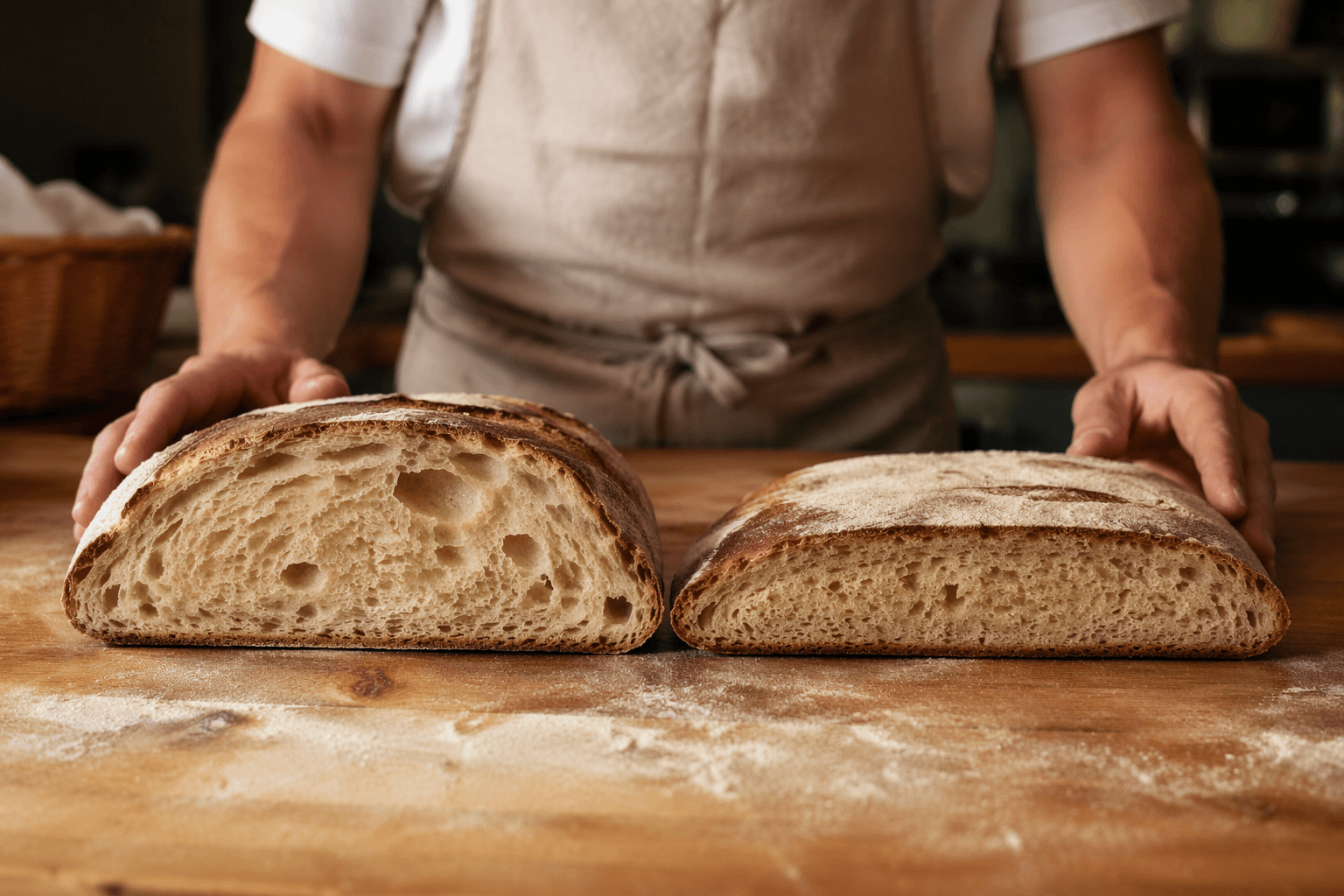
A sourdough loaf that looks promising going into the oven and then comes out flat is usually telling you something specific. The problem is rarely one dramatic mistake; more often, it is a chain of small misses that add up before the crust has a chance to set. If you want the quickest fix for your next bake, start by checking fermentation first, then shape tension, scoring, and how well your oven or Dutch oven is holding heat.
What oven spring is really doing
Oven spring is the burst of expansion that happens in the first minutes of baking, before the crust locks the loaf in place. That early lift is what gives sourdough height, a more open score, and the raised top “ear” many bakers chase when they want bakery-style bread. In the oven, heat pushes the gases inside the dough to expand, the yeast gives one last burst of activity before dying off, and steam from the dough helps keep the crust flexible long enough for the loaf to rise.
That rise is not just about gas. Bread science also points to starch gelatinization and protein setting as the loaf bakes. As starch granules swell and absorb water, the crumb starts to stabilize, while gluten structure and crust development keep the expanding loaf from collapsing back into itself.
Why loaves go flat
When a sourdough loaf spreads sideways or opens badly instead of springing upward, the cause is usually one of four things: underfermentation, overfermentation, weak shaping, or not enough steam and heat retention in the bake. If the dough has not fermented enough, it may still have the strength to look full in the banneton but lack the internal structure to expand cleanly in the oven. If it goes too far, the gluten can weaken and the loaf can lose the power to lift.
Shaping matters just as much. A dough with poor surface tension will release its energy outward instead of upward, which is why a loaf can seem fine at scoring time and then flatten in the oven. If the bake starts in a cooler vessel or an oven that has not stored enough heat, the dough may set too slowly or too unevenly, and the final shape suffers.
Fermentation is the biggest lever
If you only adjust one thing next bake, make it fermentation. The strongest thread running through sourdough guidance is that properly fermented dough is the single biggest factor affecting oven spring. That means bulk fermentation and final proof both matter, because the loaf needs enough time to build strength, but not so much that it overproofs and loses structure.
A useful cue is the shape of the ear. An extreme ear can mean the dough needed more fermentation time, while over-proofed dough is a common reason the scoring fuses or never opens properly. If your loaf is consistently flat, the fastest test is to shorten or lengthen proofing in small steps and watch whether the dough holds its shape better before bake time.
Score for controlled expansion
Scoring is not decoration. It creates a weak point where gas can escape as the loaf expands, and that controlled release helps the bread rise instead of tearing at random. University of Illinois Extension notes that a sourdough loaf may increase to about three times its original size while baking, which is a lot of expansion for one boule or batard to manage.
If the score is too shallow, it may not open cleanly. If it is too hesitant or placed poorly, the loaf may burst elsewhere or spread instead of rising. The goal is to give the dough a deliberate opening so the oven spring goes where you want it to go.
Steam and heat retention do the heavy lifting
Steam is one of the biggest differences between a loaf that climbs and a loaf that stalls. King Arthur Baking says steam is critical to final bread rise and crust development, and that it helps the loaf keep a crackly crust without setting too early. In professional ovens, steam is usually injected during the first half of baking and then vented in the second half so the loaf can finish browning.
At home, you often have to fake that environment with a Dutch oven, a covered baker, or another setup that traps moisture and stores heat. If the vessel is underheated or loses heat too quickly, the loaf can lose part of its spring before the structure sets. That is why one of the most useful fixes is simply making sure your baking vessel is fully preheated and able to deliver strong initial heat.
Think like a system, not a single trick
Sourdough behaves like a system, not a recipe checkbox. The Bread Bakers Guild of America teaches bread design as a balance of prefermented flour, flour type, fermentation time, hydration, and temperature, all interacting at once. That is why the same formula can behave differently from kitchen to kitchen, or from winter to summer.
Modernist bread science frames the same point another way: gluten development, fermentation, starch gelatinization, and crust development are happening together, not one after another in isolation. Once you see sourdough that way, a flat loaf stops looking random. It becomes a signal that one part of the chain did not support the next one.
A long method, still worth refining
Sourdough is not a new trick that suddenly came and went with internet baking. Illinois Extension notes that sourdough breadmaking dates back thousands of years, and the Real Bread Campaign launched Sourdough September in 2013 to champion genuine sourdough and the people who make it. That long history is part of why the method still feels alive: you are working with a system that has survived because it rewards attention.
For the home baker, the useful takeaway is simple. If your loaf looks strong before baking and flops after, the first question is not whether sourdough is hard, but where the chain broke. Tighten fermentation first, then reinforce your shaping, score with purpose, and give the bake enough steam and stored heat to let the loaf spring before the crust sets.
This article was produced by Prism’s automated news system from verified source data, official records, and press releases, then run through automated quality and moderation checks before publishing. The system is built and supervised by the people who set the standards it runs under. Read our full AI policy.
Know something we missed? Have a correction or additional information?
Submit a Tip