Climber rescued after 1,000-foot fall on Maroon Peak snowfield
A climber slid about 1,000 feet on Maroon Peak’s Bell Cord snowfield, a reminder that late-spring lines in the Maroon Bells are still mountaineering terrain.

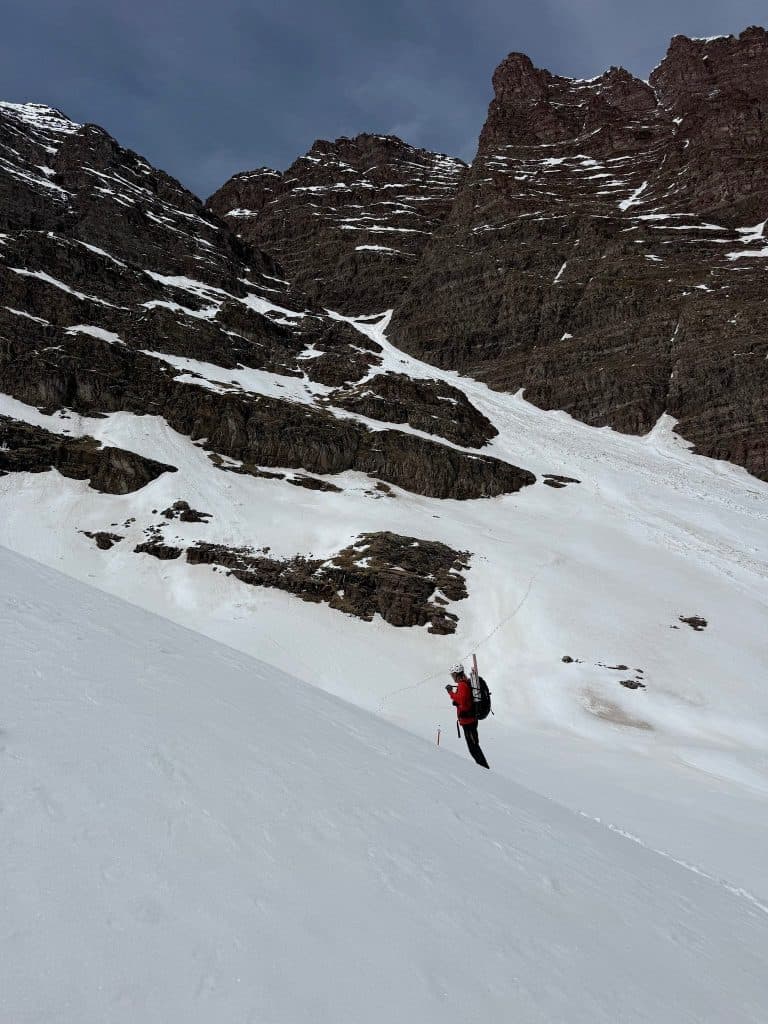
The Bell Cord on Maroon Peak can look like a direct line, but in late May it is still a snowfield where one bad move can turn a climb into a rescue. That is what happened Friday, May 22, when a climber fell roughly 1,000 feet while ascending the Bell Cord snowfield near Aspen, sending Mountain Rescue Aspen into one of the most consequential parts of the Maroon Bells-Snowmass backcountry.
Pitkin County Regional Emergency Dispatch Center received the call at about 8:36 a.m. Mountain Rescue Aspen sent out two field teams with 11 members total, reached the trailhead around 9:50 a.m. and made contact with the injured climber at 12:20 p.m. The patient was back at the trailhead by about 3:10 p.m., and all personnel were out of the field by roughly 3:40 p.m. The climber sustained several non-life-threatening injuries and declined further medical care on scene.
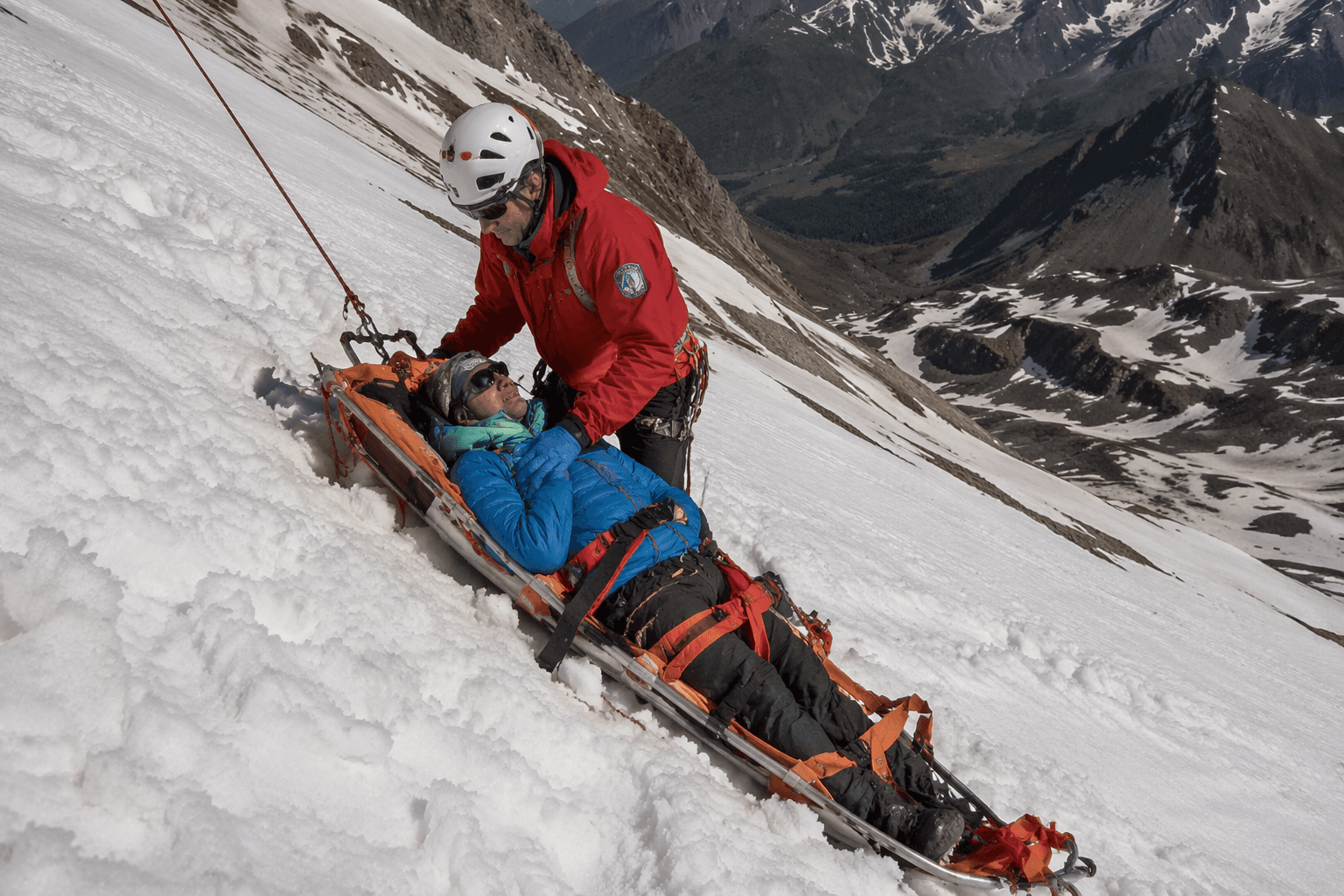
The incident is a blunt reminder that the Maroon Bells are not just a scenic pull-off with a famous view. The surrounding wilderness covers 183,847 acres, climbs from 9,000 feet to 14,000 feet, and includes more than 100 miles of trails through rugged alpine ground. The U.S. Forest Service says six peaks above 14,000 feet in the wilderness are among the most difficult to scale in Colorado, and the Bell Cord sits squarely in that judgment zone where steep snow, exposure and changing temperatures can punish a late decision.
For anyone planning Maroon Peak, North Maroon Peak or another similar objective, the takeaway is simple: read the snow as a climbing problem, not a hiking detail. The Forest Service says the best time to visit the wilderness is July through September. From early October to late June, campsites, trails and mountain passes are snow covered, and trailheads may be inaccessible. Maroon Bells Scenic Area access also requires reservations, and there is no water available this season, so carrying enough is part of the plan before the first step onto the route.
Mountain Rescue Aspen says it is a 50-member volunteer organization that handles more than 100 search-and-rescue calls a year, and that mission costs often run into the thousands of dollars. CORSAR cards help reimburse search-and-rescue costs, though they are not insurance and do not cover medical transport. On a route like the Bell Cord, the real decision point comes before the fall line steepens: if the snow is not solid, the timing is off, or the descent looks worse than the ascent, the right move is to turn around long before the rescue call goes out.
This article was produced by Prism’s automated news system from verified source data, official records, and press releases, then run through automated quality and moderation checks before publishing. The system is built and supervised by the people who set the standards it runs under. Read our full AI policy.
Did this article answer your question?