Colorado and Utah trails join National Trails System with new designations
East Inlet still has downed trees before Lone Pine Lake, even as Rocky Mountain National Park picks up two new federal trail designations.
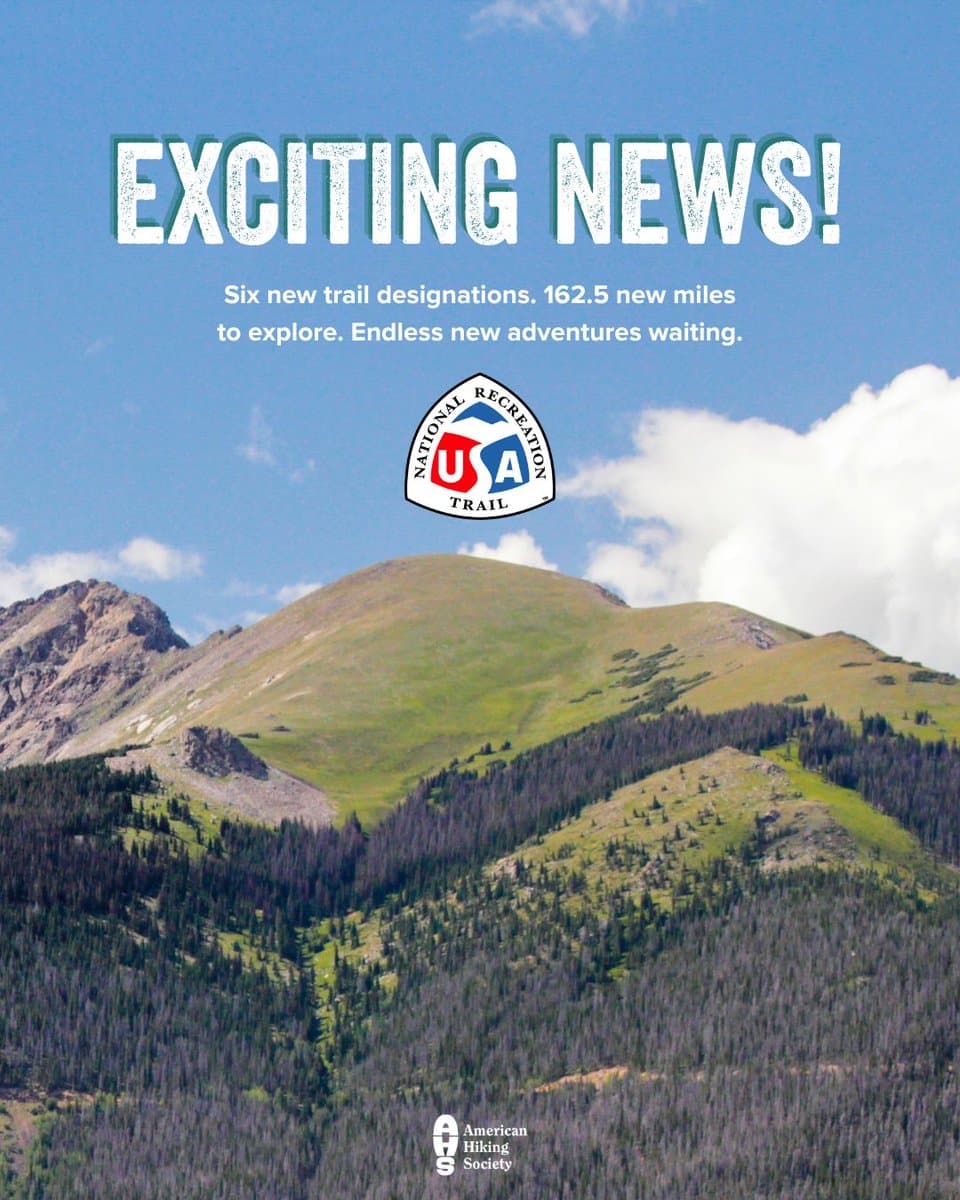
The biggest trip-planning takeaway from the new National Trails designations is simple: the federal recognition did not change the dirt under your boots. East Inlet Trail in Rocky Mountain National Park still had downed trees before Lone Pine Lake, even as it and Glacier Gorge Loop Trail joined the National Trails System alongside Utah’s Bluff River Trail and three other additions.
The U.S. Department of the Interior announced six new trails on June 6, during Great Outdoors Month and National Trails Day. Five were National Recreation Trails and one was a National Water Trail, adding 162.5 miles across five states and bringing the nationwide total to more than 1,350 National Recreation Trails in every state, the District of Columbia and Puerto Rico. Doug Burgum said the designations expand opportunities for recreation, stewardship and exploration, while the program, jointly administered by the National Park Service and the U.S. Forest Service, continues to recognize existing local and regional trails with the managing entity’s consent.

For hikers building a Colorado trip, East Inlet Trail is the bigger prize. The route runs about 11 miles near Grand Lake, then follows East Inlet Creek past Adams Falls and up through forests, wetlands, meadows and glacially carved country to a subalpine and alpine lake basin. Along the way it reaches Lone Pine, Lake Verna, Spirit, Third and Fourth Lakes and provides access to eight designated wilderness campsites, with regular chances to see moose and elk. The designation adds prestige, but it does not erase the current hazard section before Lone Pine Lake, where Rocky Mountain National Park has warned of downed trees.
Glacier Gorge Loop Trail is the more compact and flexible option, especially for visitors who want a big-name Rocky Mountain National Park day hike without committing to East Inlet’s longer mileage. The 5.8-mile loop starts at either Glacier Gorge or Bear Lake trailhead and passes Alberta Falls, Lake Haiyaha, Dream Lake and Nymph Lake. A primitive segment between Glacier Gorge Junction and Lake Haiyaha was built to protect sensitive alpine ecosystems while giving hikers a more rugged backcountry feel, and the route stays popular year-round for hiking, snowshoeing and wildlife viewing.
The new labels matter most as a signal of quality and access, not as a promise of immediate improvements. Because the trails are already established routes, the real planning win is knowing which ones already deliver the scenery, mileage and trailhead logistics Southwest travelers can use now, while the 2027 application window remains open until Nov. 1, 2026.
This article was produced by Prism’s automated news system from verified source data, official records, and press releases, then run through automated quality and moderation checks before publishing. The system is built and supervised by the people who set the standards it runs under. Read our full AI policy.
Did this article answer your question?