Colorado lawmakers back recreation strategy, wildlife crossings and bear penalties
Colorado is set to tighten bear penalties and fund wildlife crossings, while CPW could become the state’s recreation strategy lead.

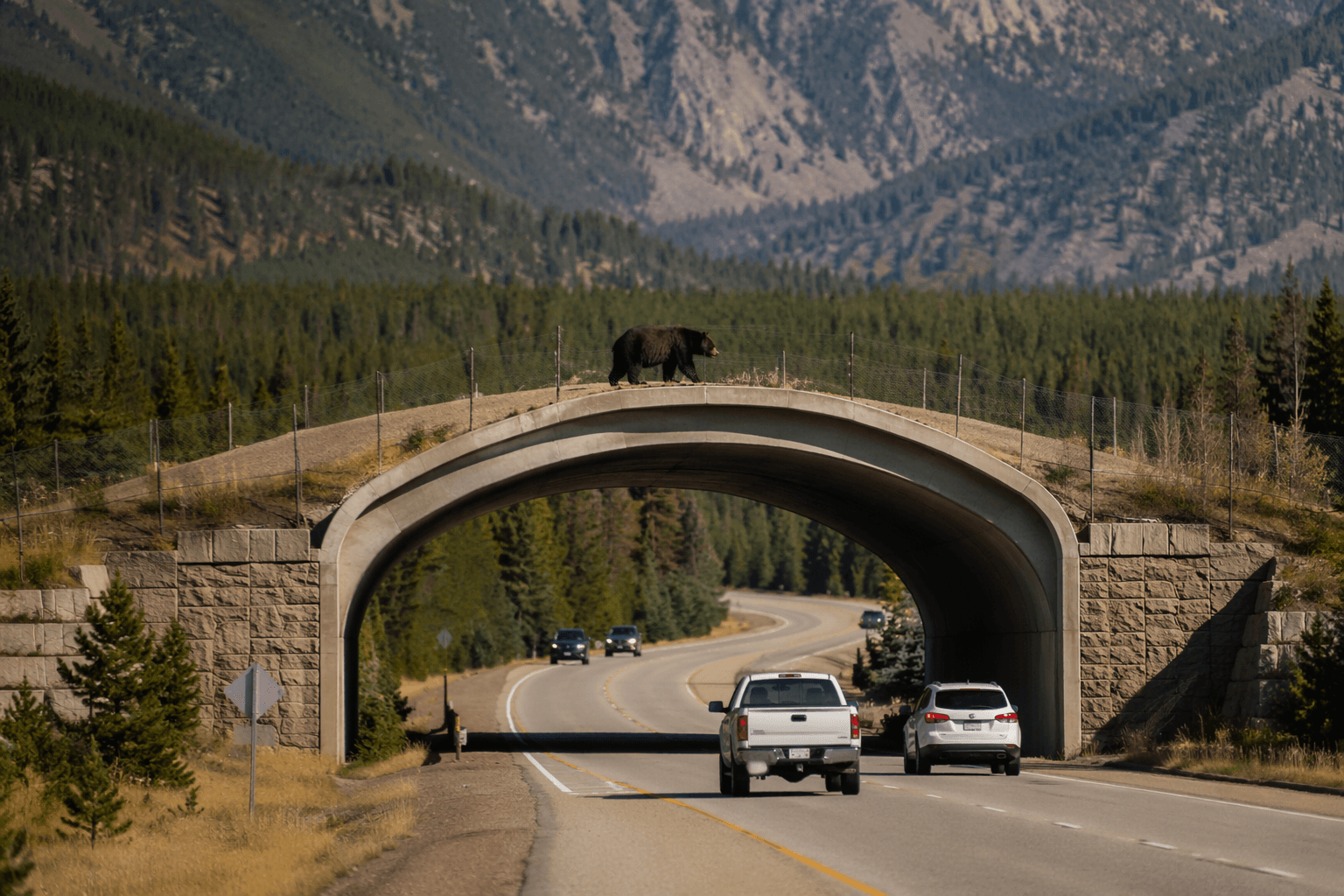
Colorado’s next trailhead run may feel the effects of a session that put wildlife crossings, bear safety, and statewide recreation planning at the center of the state’s outdoor agenda. The biggest measures now waiting on Gov. Jared Polis’s signature would make Colorado Parks and Wildlife the lead coordinator for the state’s outdoor recreation strategy, create a new funding stream for wildlife highway crossings, and toughen penalties for careless bear feeding.
That matters well beyond policy circles. A stronger CPW role could shape how Colorado handles trail crowding, wildlife protection, and the pressure that comes with more visitors in the high country. The wildlife-collision fee is aimed at dangerous road corridors where deer and elk cross the same mountain routes travelers use to reach trailheads, campgrounds, and scenic byways. For anyone driving into the backcountry, the change points to a state trying to reduce the odds that the last stretch of pavement turns into the most dangerous part of the trip.
The bear penalties are the clearest camping message in the package. Improper food storage and human behavior can draw bears into camps and backpacking zones, creating both safety risks and wildlife conflicts. Stronger enforcement is meant to push visitors toward cleaner campsite habits and away from the kind of behavior that can force closures, evacuations, or repeated animal encounters in popular recreation areas.
Lawmakers also adopted a resolution opposing any federal sell-off of public lands, a sign that Colorado’s outdoor politics still revolve around keeping access open even as management gets tighter. Not every idea survived the session: a grant program for roads into state parks died, along with a proposed beaver-hunting ban. Other flashpoints, including corner crossing, the recreational use statute, and 14er access, remain tied up in the courts or headed for future sessions.
The upshot for Colorado adventure travel is straightforward. This session did not redraw the map for hikers, hunters, and drivers overnight, but it did advance the rules that sit underneath the trip, from how roads are funded to how bears are handled at camp. If you are planning a Colorado run next season, the biggest changes are less about new places to go than about how carefully the state intends to manage the ones already on your route.
This article was produced by Prism’s automated news system from verified source data, official records, and press releases, then run through automated quality and moderation checks before publishing. The system is built and supervised by the people who set the standards it runs under. Read our full AI policy.
Did this article answer your question?