Cottonwood Canyon parking fees spark debate over access and stewardship
A modest fee is now part of the Cottonwood Canyon hike, but the real fight is over whether stewardship should come with a price that prices out spontaneous access.

Paid parking now covers the S curve in Big Cottonwood Canyon and the Grit Mill parking lot in Little Cottonwood Canyon, expanding the system to seven permit areas since 2024. The new charge is sharpening a long-running argument over convenience and access in one of Utah’s busiest recreation corridors.
Where the new charges apply
The Cottonwood Canyon Recreation Enhancement Act fee areas took effect June 1, 2026, and they cover more than just signed lots. In posted zones, the charge also applies to roadside parking, which matters on crowded weekends when the pullouts fill first and the shoulder becomes the fallback.
Mill B Trailhead shows how the system works on the ground. The Forest Service places it on the north side of the S curve, about 4.4 miles up Big Cottonwood Canyon and 0.1 mile past Mill B South Fork Picnic Area, a location that can be easy to miss if you are hunting for the Lake Blanche trail and not watching closely for the fee-area boundary.
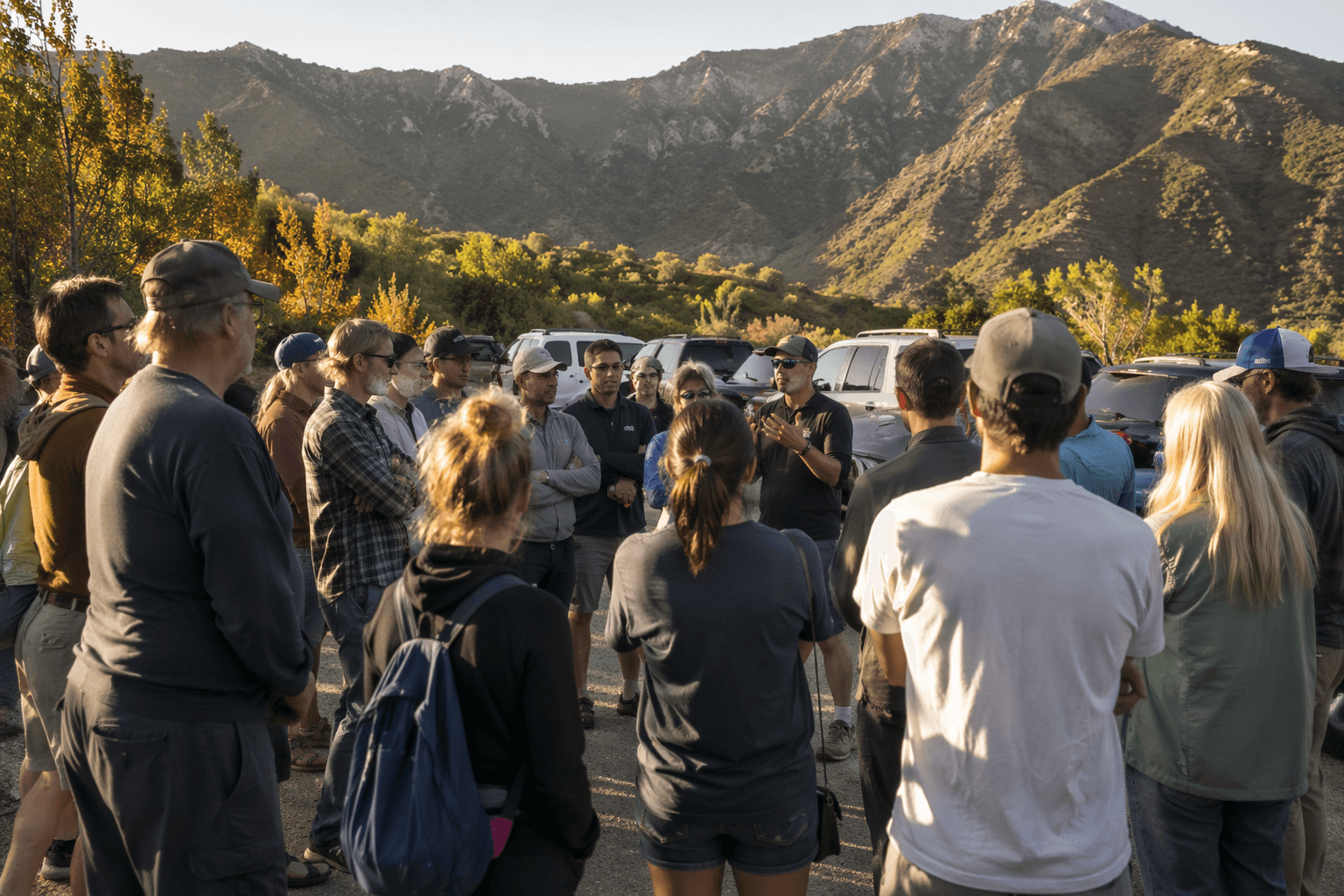
That confusion showed up immediately for visitors. Suzanne Hill found the QR-code payment easier than finding the trail itself on her first attempt.
What the fee revenue is meant to cover
The Forest Service’s case for the fees is straightforward: the canyons are heavily used, the wear is real, and the budgets are not keeping pace. The Uinta-Wasatch-Cache National Forest says it receives about 9 million visitors each year and is one of the nation’s most heavily visited forests, so parking management and trailhead maintenance have become core parts of keeping the system functional.
The money is meant to do visible work. The fees are tied to trail maintenance, wilderness preservation, paving parking lots, recreation facilities, visitor services, and other improvements, along with basics as unglamorous as toilet paper. Under local guidance, at least 80% of the fees stay within the district.
What it costs and how to pay
The official pass options are simple, but only if you can get the signal and complete the purchase. Current prices are $10 for three days, $20 for seven days, $60 for an annual Uinta-Wasatch-Cache Forest pass, and $80 for the America the Beautiful pass, which is accepted in these fee areas.
For a quick planning snapshot:
- 3-day pass: $10
- 7-day pass: $20
- Annual Uinta-Wasatch-Cache Forest pass: $60
- America the Beautiful pass: $80 and accepted here
Visitors can buy passes by scanning a QR code or through recreation.gov, but both options depend on cell service. That can create a problem at the trailhead, where the moment you need the pass is often the moment your phone drops off the network.
Why the debate is so sharp in Cottonwood
The criticism is not about whether the canyons need care. It is about who gets absorbed into the system and who gets pushed out by it. Hiking author John Veranth calls the fees elitist, arguing that what looks like pocket change to some visitors can be a real barrier to lower-income hikers.
Becky Tucker, a Sandy resident, makes a related point: Cottonwood Canyons do not have summer bus service, so the fee can land less like a convenience charge and more like a gatekeeper unless visitors can rideshare, switch plans, or skip the canyon entirely. That turns a parking decision into a broader access question, especially for spontaneous weekend trips.
Big Cottonwood Canyon and Little Cottonwood Canyon are Salt Lake City watersheds, and domestic animals are prohibited there, so managers are juggling parking, trail wear, and watershed rules at the same time. The fee rollout has expanded in phases, starting at Cardiff Fork and Spruces on December 1, 2024, then adding later sites such as Donut Falls and White Pine before reaching the newest paid zones.
How to plan a smoother Cottonwood day
Treat the fee boundary as part of your route planning, not a surprise at the end of the road. If you are heading for Mill B, Lake Blanche, or another high-use trailhead, buy the pass before you lose service, keep the confirmation handy, and do not assume a roadside pullout is free just because it is not a formal lot.
This article was produced by Prism’s automated news system from verified source data, official records, and press releases, then run through automated quality and moderation checks before publishing. The system is built and supervised by the people who set the standards it runs under. Read our full AI policy.
Did this article answer your question?