Dinkle Lake stays drained through August 2026 for dam repairs
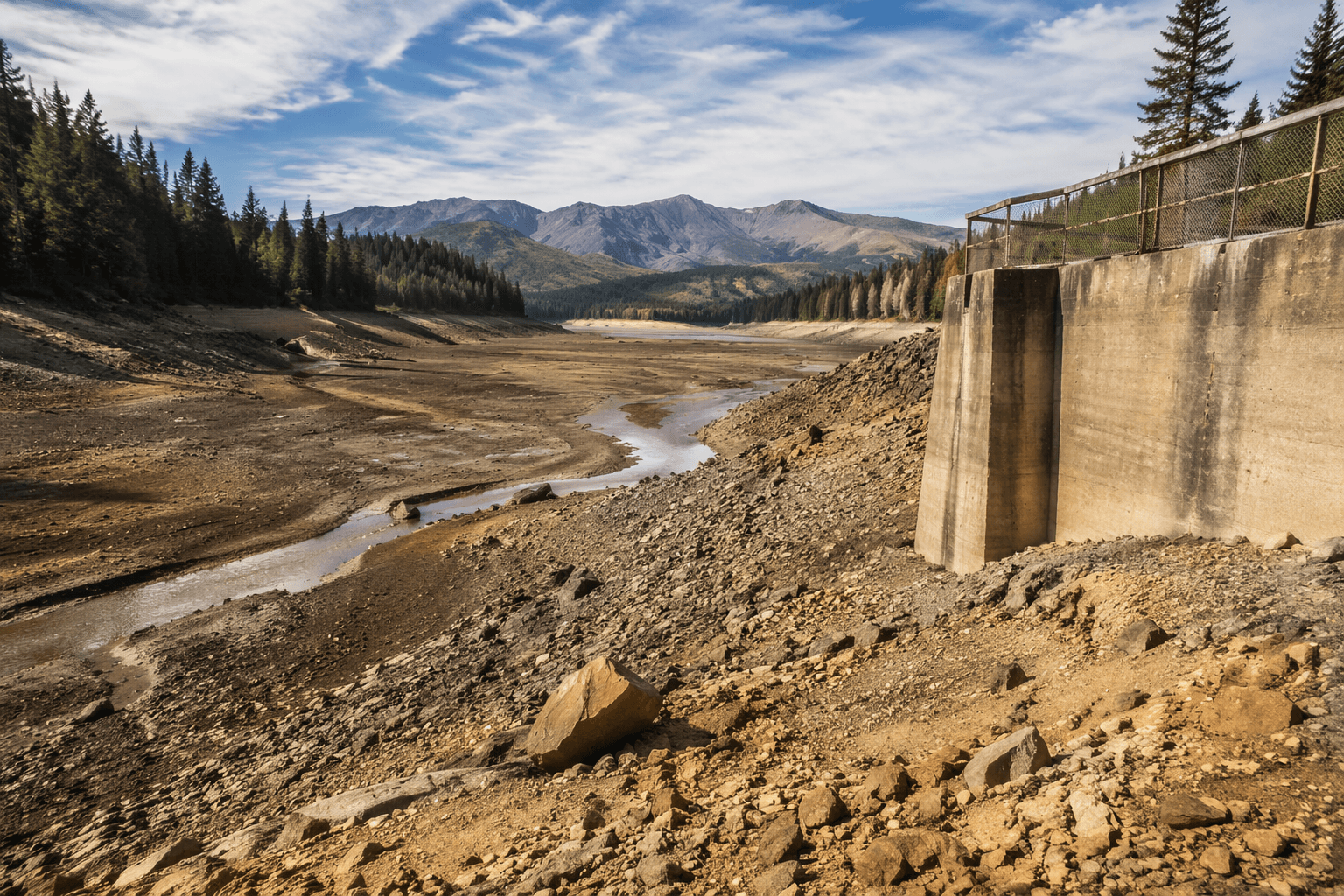
Dinkle Lake will stay empty through August, leaving summer visitors without a lake stop at the reservoir. Thomas Lakes Road and the day-use area stay open, but the water will not.

Visitors heading up Thomas Lakes Road this summer will find a very different payoff at Dinkle Lake: the reservoir will stay empty through August 2026, so the usual lake-day mix of shoreline fishing, lingering and water views will not be there. The White River National Forest said the dewatering is tied to dam repairs, with work expected to begin in mid-June and run for about six weeks.
The practical change for trip planning is simple. Dinkle Lake, also known as Lake Ann, is not serving as a normal water recreation stop this season, even though the road and day-use area are not being shut down. Thomas Lakes Road, also called National Forest Service Road 311, and the Dinkle Lake Day Use Area will remain open, but visitors should expect construction traffic and equipment in the reservoir basin and on the dam face. Acting Aspen-Sopris District Ranger Brent Davidson asked visitors to use designated parking, avoid blocking gates and stay clear of the construction zone for their safety and the safety of crews. Turnabout Ranch and Big 4 Ranch of Basalt hold the authorization for Dinkle Lake and are contracting the repairs.
The site itself still sits in one of the busiest corners of the Aspen-Sopris Ranger District. Dinkle Lake Day Use Area is at the base of Mount Sopris, beside popular hiking trails and near the Maroon Bells-Snowmass Wilderness Area, with fishing and picnicking listed as recreation opportunities. Potable water and restrooms are not available there, which makes the empty lake a bigger letdown for anyone who expected a full-service summer stop rather than a construction zone with a trailhead backdrop.
For a better water-side outing through August, the cleaner substitution is Freeman Mesa Picnic Site on the north shore of Ruedi Reservoir, where the Forest Service lists lake fishing and picnicking, or Rocky Fork Picnic Site, which sits beside the Frying Pan River. That distinction matters in a forest that spans 2.3 million acres and regularly hosts more than 17 million visitors a year, because even one drained reservoir can throw off a weekend itinerary in a district that also manages five wilderness areas and the Maroon Bells Scenic Area.
This article was produced by Prism’s automated news system from verified source data, official records, and press releases, then run through automated quality and moderation checks before publishing. The system is built and supervised by the people who set the standards it runs under. Read our full AI policy.
Did this article answer your question?