Flaming Gorge water releases raise concerns for marinas, recreation businesses
Flaming Gorge’s shoreline is already shifting as up to 1 million acre-feet is sent toward Lake Powell, with docks, ramps and marina budgets taking the hit.

If your Flaming Gorge trip depends on an easy launch, a familiar dock and a shoreline that stays put, that plan is already changing. Water releases meant to help Lake Powell are now being felt at the marina level, where operators are scrambling to keep boats accessible and repair costs from outrunning their budgets.
The Bureau of Reclamation is sending between 660,000 and 1 million acre-feet from Flaming Gorge Reservoir to Lake Powell through April 2027 under the Drought Response Operations Agreement, part of the 2019 Colorado River Drought Contingency Plan for the Upper Colorado River Basin. Reclamation said the releases began when Flaming Gorge was about 82% full, holding roughly 3.01 million acre-feet, and its operations page listed the reservoir at 79% of live storage capacity on May 7.
Those numbers matter on the ground. Reclamation warned recreationists below Flaming Gorge Dam to watch conditions closely because flows will be colder, higher and faster during the release periods. For boaters and anglers, that can mean more than a different current. It can mean changing access, shifting launch conditions and a reservoir edge that moves faster than a summer itinerary can keep up.

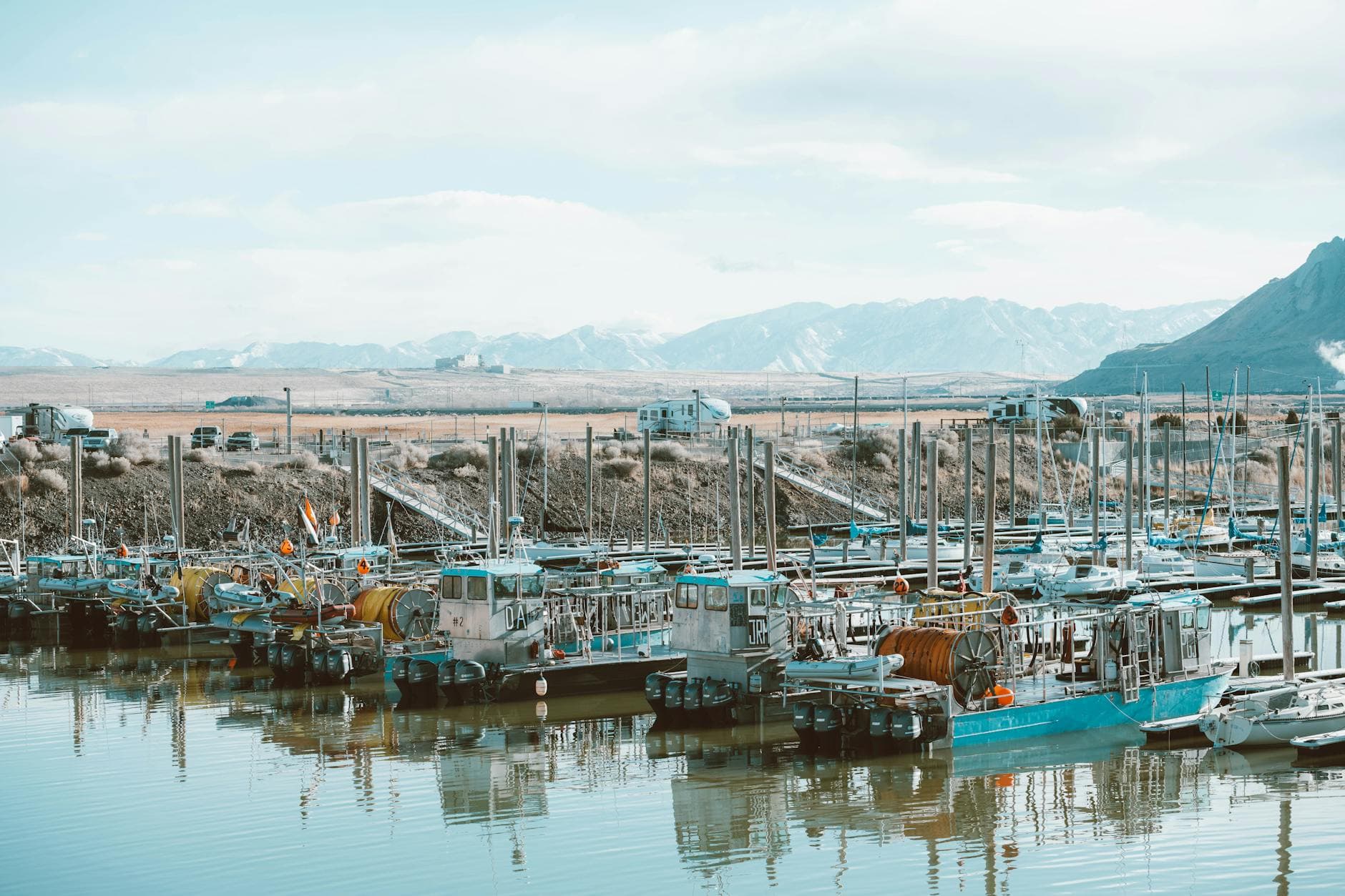
At Buckboard Marina, owner Tony Valdez said the water had already dropped six to seven feet near the marina, damaging piers and forcing expensive adjustments. He said the marina may need restructuring that was never budgeted for this year. Across the reservoir at Cedar Springs Marina, owner John Rauch said his family has operated there for 40 years and had never seen a drop like this one. He described a constant race to move docks and equipment before the shoreline shifts again.
Rauch has said Cedar Springs serves hundreds of thousands of visitors and handles thousands of boat rentals, but the changing water could force the operation into deeper water if the releases continue. Wyoming negotiator Brandon Gebhart said after the Upper Basin states approved the plan on April 22 that it could have significant negative impacts on water resources, local economies and recreation for years, and he said three Wyoming boat ramps would likely become unusable.
The pressure on Flaming Gorge is tied to Lake Powell, where federal managers expect the release strategy to lift the lake by about 54 feet and help keep Glen Canyon Dam generating hydropower. ABC4 reported that Powell could reach minimum power pool by December 2026 without action. Reclamation initially considered starting releases by May 1, and Utah officials say the current legal framework governing the Colorado River expires at the end of 2026, adding even more weight to a decision already reshaping one of the West’s most prized reservoir getaways.
For travelers, the message is plain: Flaming Gorge is still a boating destination, but the version visitors remember is under pressure. The trip now comes with changing shorelines, unstable access points and a recreation economy trying to keep pace with a river system that no longer sits still.
This article was produced by Prism’s automated news system from verified source data, official records, and press releases, then run through automated quality and moderation checks before publishing. The system is built and supervised by the people who set the standards it runs under. Read our full AI policy.
Did this article answer your question?