Fodor's warns of crowded Southwest parks as 2026 access rules change
Southwest park trips in 2026 still work, but only if you lock down reservations, shuttle plans, and crowd-heavy dates before you leave home.

On Feb. 18, 2026, the National Park Service laid out summer access plans for Arches, Glacier, Rocky Mountain, and Yosemite that drop timed-entry reservations at Arches and Yosemite but keep tighter controls on parking, shuttles, and road corridors. The parks are more accessible on paper, but the day can still tilt fast if you arrive without reservations, parking backup plans, or patience for traffic.
What changed at the headline parks
The agency expanded access while keeping safety in focus at high-visitation parks. The plans for Arches, Glacier, Rocky Mountain, and Yosemite were built around each park’s infrastructure, demand, and coordination with state and local partners, and parking or roadway capacity can still trigger short-term traffic management measures.
Arches National Park
Arches is the clearest example of a park where the gate is easier to get through, but the experience still needs planning. The park will not require advanced timed-entry reservations in 2026, which removes one of the biggest friction points for visitors heading in from Moab, Utah.
Arches still warns of entrance lines and limited parking at popular destinations, and Devils Garden Campground and Fiery Furnace hikes still require reservations.
Glacier National Park
Glacier is loosening one control and tightening another. The park will not require a park-wide vehicle reservation system in 2026, but it is pairing that change with a new ticketed-only shuttle system and three-hour limited timed parking at Logan Pass.
Going-to-the-Sun Road is not the same as free-form access to the most popular pullouts and trailheads.
Rocky Mountain National Park
Rocky Mountain remains the most reservation-dependent of the Southwest-adjacent parks in this group. The park will continue timed-entry reservations from Friday, May 22, 2026 through Monday, Oct. 12, 2026, with different reservation types for the main park and the Bear Lake Road corridor.
Yosemite National Park
Yosemite is the surprising outlier in that it will not require advance reservations in 2026, including during peak summer months. That makes it easier to plan a traditional family road trip or a longer loop that would have been constrained by entry windows in other years.
Yosemite can still face crowding, parking pressure, and short-term traffic controls when too many vehicles converge at once.
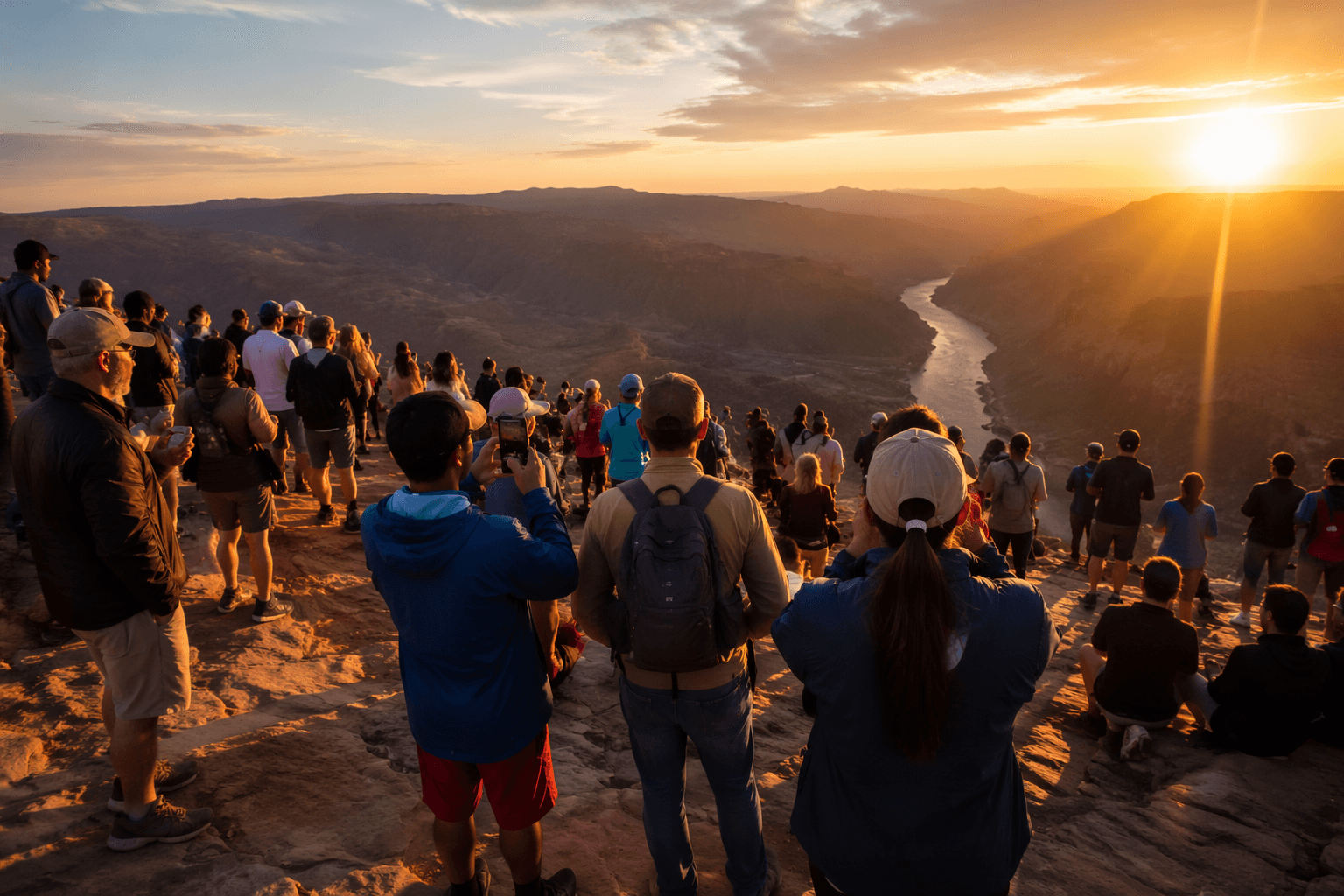
Why the parks will still feel crowded
The access changes are arriving against a backdrop of sustained demand. The National Park Service counted 323 million recreation visits in calendar year 2025, down 2.7 percent from 331.9 million in 2024, and 406 of the 433 National Park System units recorded visitor use.
The staffing picture is part of that strain. Parks welcomed over 100 million visitors from June through August last summer, the Coalition to Protect America’s National Parks wrote in a memo, and this summer brings even fewer staff and resources, with seasonal hiring lagging. The Department of the Interior brought on about 5,150 seasonal workers last year, short of a goal of 7,700.
Summer road trips are especially likely to be busy because of America’s 250th-anniversary events and new free-entrance days, the National Parks Conservation Association warned. National Park Week 2026 runs Aug. 22-30. The Park Service will waive entrance fees nationwide on Aug. 25, 2026.
What to lock down before you go
Recreation.gov remains the federal reservation hub for camping, permits, passes, and other park bookings, and it is still the first stop for any trip that depends on guaranteed access. If you are headed to Arches, Glacier, Rocky Mountain, or any other park with structured entry or shuttle controls, this is where those reservations are handled.
Before you leave home, lock down the pieces that cannot be improvised:
- Confirm whether your park uses timed entry, vehicle reservations, shuttle tickets, or a parking control system.
- Book campsites, permits, passes, and any other park-specific reservation in Recreation.gov before you build the rest of the itinerary.
- Plan for traffic management at busy corridors and high-demand spots, including Logan Pass and other places where parking or roadway capacity can force delays.
- Treat fee-free dates and National Park Week as crowd events, not as shortcuts to a cheaper, quieter visit.
How to decide whether the trip still works
The simplest test is whether your trip can survive a delayed arrival. If your plan only works when you can show up late, find a parking spot immediately, and change course on the fly, 2026 is a bad year for that style of travel at the big national parks. If you can reserve the pieces that matter, build in buffer time, and accept that some trailheads and road corridors will run on controlled access, the trip is still very workable.
This article was produced by Prism’s automated news system from verified source data, official records, and press releases, then run through automated quality and moderation checks before publishing. The system is built and supervised by the people who set the standards it runs under. Read our full AI policy.
Did this article answer your question?