Interior opens public comment on climbing rules for public lands
Interior opened a 60-day comment window on climbing rules that could shape fixed-anchor access on BLM, park and wildlife lands, with a deadline of Aug. 14.
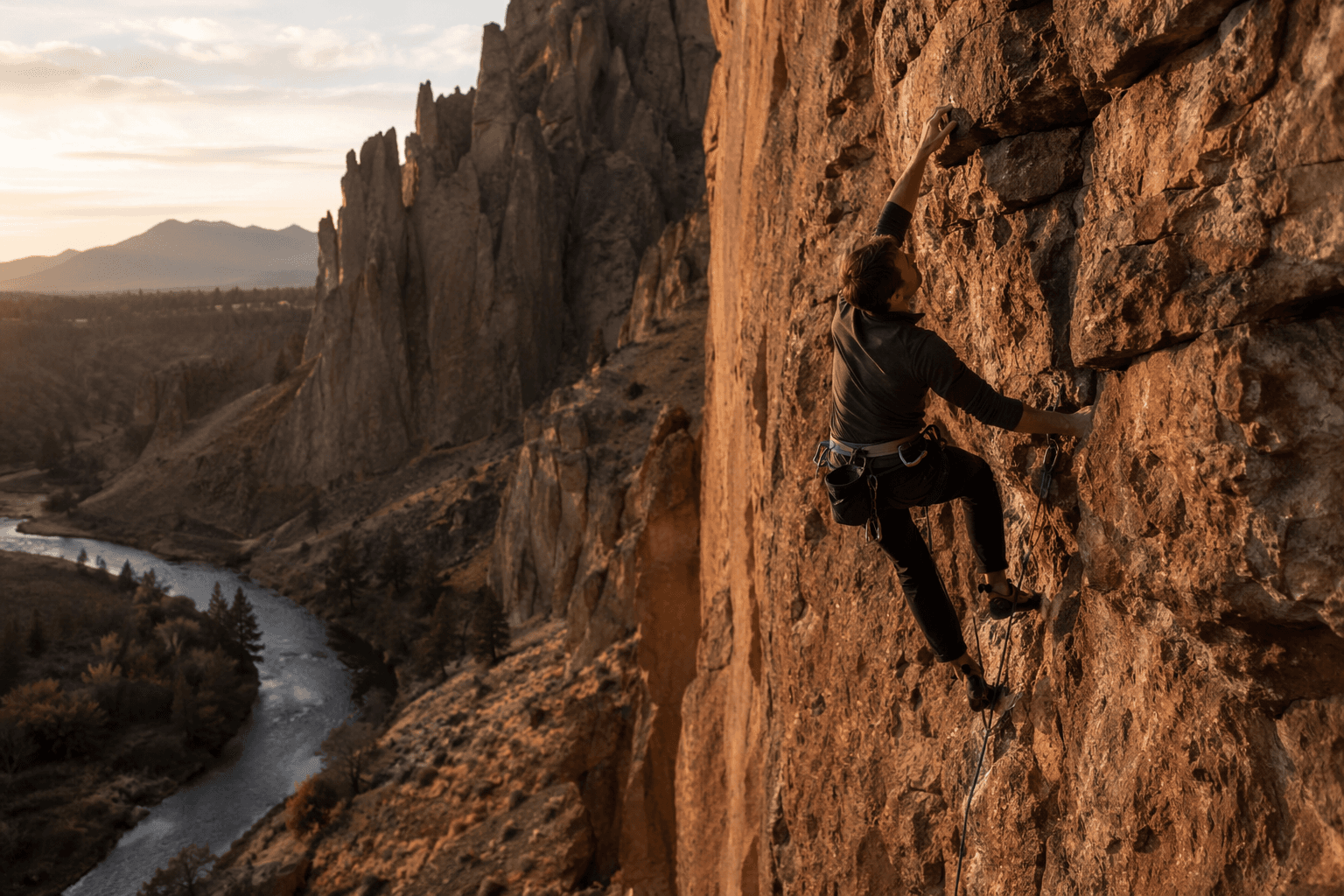
Federal land climbers now have a deadline to watch: the Interior Department opened a 60-day public comment period on new recreational climbing guidance that could reshape how fixed anchors, legacy routes and wilderness study areas are managed across BLM, National Park Service and U.S. Fish and Wildlife Service lands. The review also reaches into policies for wilderness study areas, making this more than a narrow climbing issue.
The department said the effort is meant to create a consistent approach to recreational climbing in designated wilderness while also deciding whether wilderness study area policies should be updated, clarified or revised. The BLM draft guidance, published in the Federal Register on June 15, would update BLM Manual 6340, Management of Designated Wilderness Areas, and it folds in congressional direction from the Protecting America’s Rock Climbing Act, or PARC Act, which became law as section 122 of the EXPLORE Act on January 4, 2025. Comments on both the BLM proposal and the companion National Park Service draft guidance are due by August 14, 2026.
The draft rules would recognize recreational climbing, including the use, placement and maintenance of fixed anchors, as an appropriate wilderness use when it is consistent with the Wilderness Act and other applicable laws. They also spell out how agencies would handle casual use, activities that exceed casual-use thresholds, emergencies, fixed equipment, legacy routes and anchors, and commercial services. In practical terms, that matters anywhere climbers depend on predictable access and clear standards, from desert towers to canyon walls.
Interior framed the policy review as a balance between outdoor recreation and stewardship. Secretary of the Interior Doug Burgum said public lands are meant to be experienced and enjoyed, while the department still has a duty to be good stewards. For the Southwest, where so much climbing and canyoneering sits on federal ground, the stakes run beyond one park or one route: fixed-anchor policy can shape access, route maintenance and how local climbers work with land managers in wilderness-adjacent country.
The new review also lands after a long and contentious stretch. A 2024 National Park Service proposal to regulate fixed anchors was later discontinued, and climbing groups argued that earlier versions could have triggered more than 50,000 routes nationwide for added scrutiny. Advocacy organizations including Access Fund, the American Alpine Club, Outdoor Alliance and The Mountaineers have pushed for clear national standards, saying fixed anchors are essential for safety and for preserving climbing in wilderness. Comment letters also pointed to a 2018 meeting in Tucson, Arizona, where federal agencies and climbing-conservation representatives discussed wilderness climbing and fixed anchors, a reminder that this debate has been building for years. Now the comment window is open, and the next round of climbing rules is taking shape.
This article was produced by Prism’s automated news system from verified source data, official records, and press releases, then run through automated quality and moderation checks before publishing. The system is built and supervised by the people who set the standards it runs under. Read our full AI policy.
Did this article answer your question?