Mother bear and cubs found under Colorado Springs deck, relocated safely
A mother black bear and her two cubs spent part of the day under a Colorado Springs deck before officers moved them safely to better bear habitat.
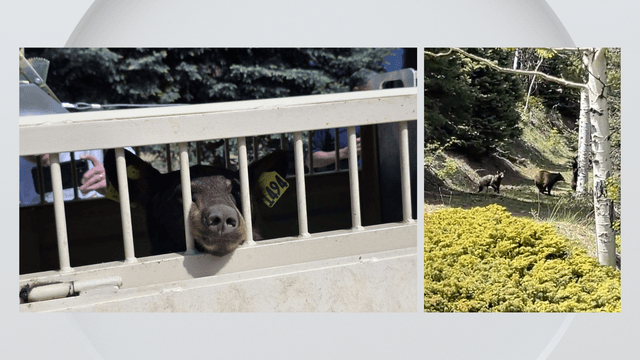
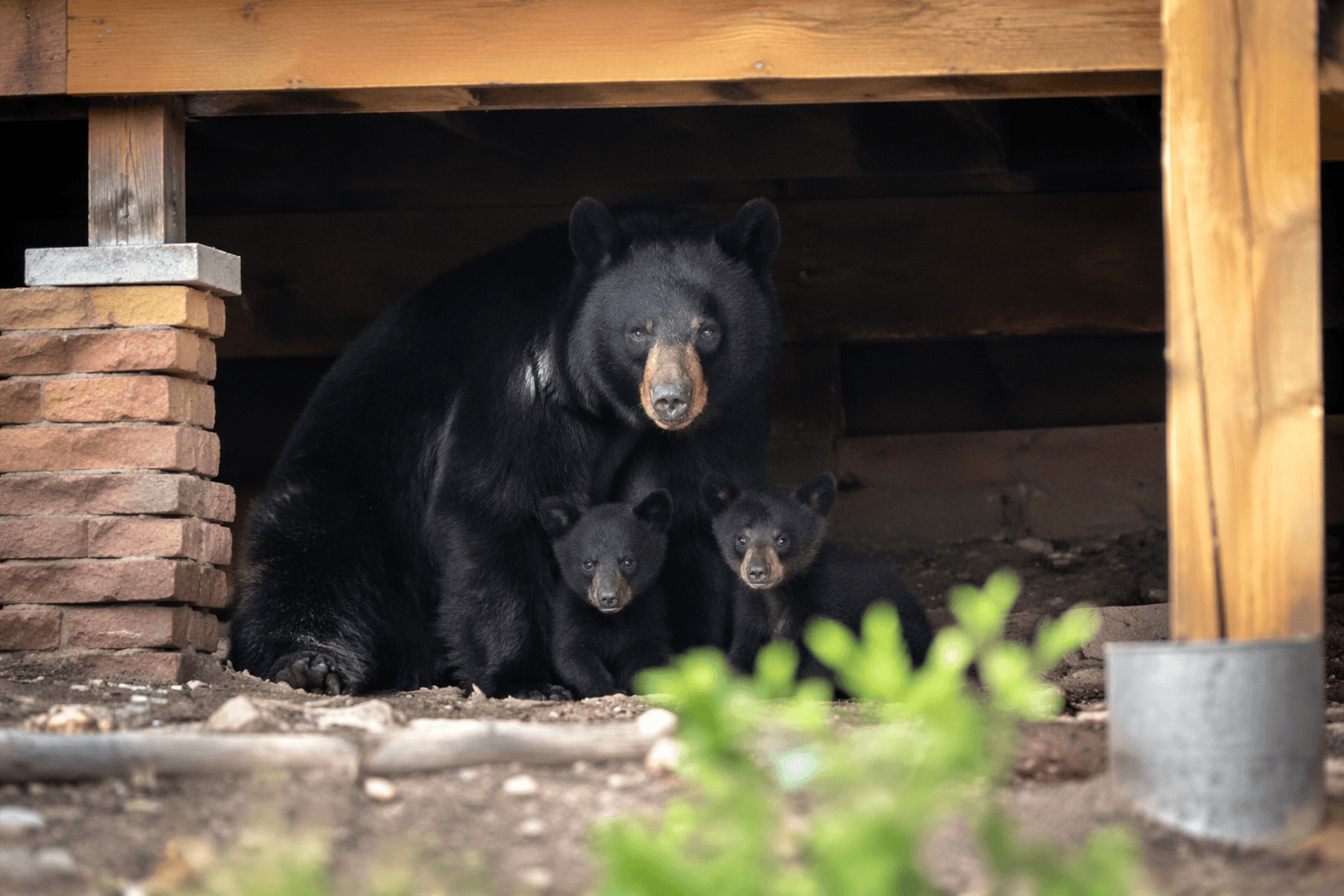
A Colorado Springs family got a close-up lesson in bear country when a mother black bear and her two cubs were found under the back deck of a home in the Northgate neighborhood. Colorado Parks and Wildlife later moved the animals safely back into the wild, with no injuries reported to the people or the bears.
Wildlife officers responded on May 23 and immobilized the sow and cubs before placing them in wildlife trailers, according to Colorado Parks and Wildlife Southeast Region. The bears were then released several hours south in what CPW described as better bear habitat. Reporting identified the mother as about 150 pounds and the cubs at about 100 pounds each.
For families booking cabins, campgrounds, and vacation rentals in Colorado, the scene under that deck is the part that should stick. CPW says most conflicts between people and bears trace back to human food, garbage, pet food, bird seed, or other attractants. The agency also says most Colorado bears are active from about mid-March through early November, and cubs usually emerge from winter dens in early or mid-May, when they weigh only 10 to 15 pounds. That is the stretch of the season when a mother bear moving through a neighborhood, a trail corridor, or a rental property can be especially sensitive to anything that smells like a meal.
Colorado Parks and Wildlife describes black bears as the largest carnivore in Colorado, and it treats bear-human encounters as a high-priority management issue. The agency warns that habituated bears can damage property and may ultimately have to be killed, which is why simple habits matter so much in mountain-front towns and recreation areas that sit close to wild habitat. Keep trash secured, remove anything that can draw a bear, keep dogs leashed, and never approach a bear or leave it boxed in without an exit.
CPW is also pushing communities to cut down on future conflicts through its Human-Bear Conflict Reduction Community Grant Program. The program was accepting 2026 applications with a May 29, 2026 deadline at 5 p.m., and CPW said it awarded 22 grants totaling $1 million in 2025, part of $3.9 million in total awards.
The Northgate bear relocation was dramatic, but it was also familiar Colorado reality: a back deck, a family home, and wildlife moving through the same ground. In spring and early summer, the safest travel plan is to assume a bear can show up where the lodging feels most ordinary.
This article was produced by Prism’s automated news system from verified source data, official records, and press releases, then run through automated quality and moderation checks before publishing. The system is built and supervised by the people who set the standards it runs under. Read our full AI policy.
Did this article answer your question?