Museum of Utah opens June 27, alongside Utah's summer night events
Utah’s first state history museum gives the Capitol Complex a new summer anchor, then the state’s moonlit park programs carry the trip into the night.
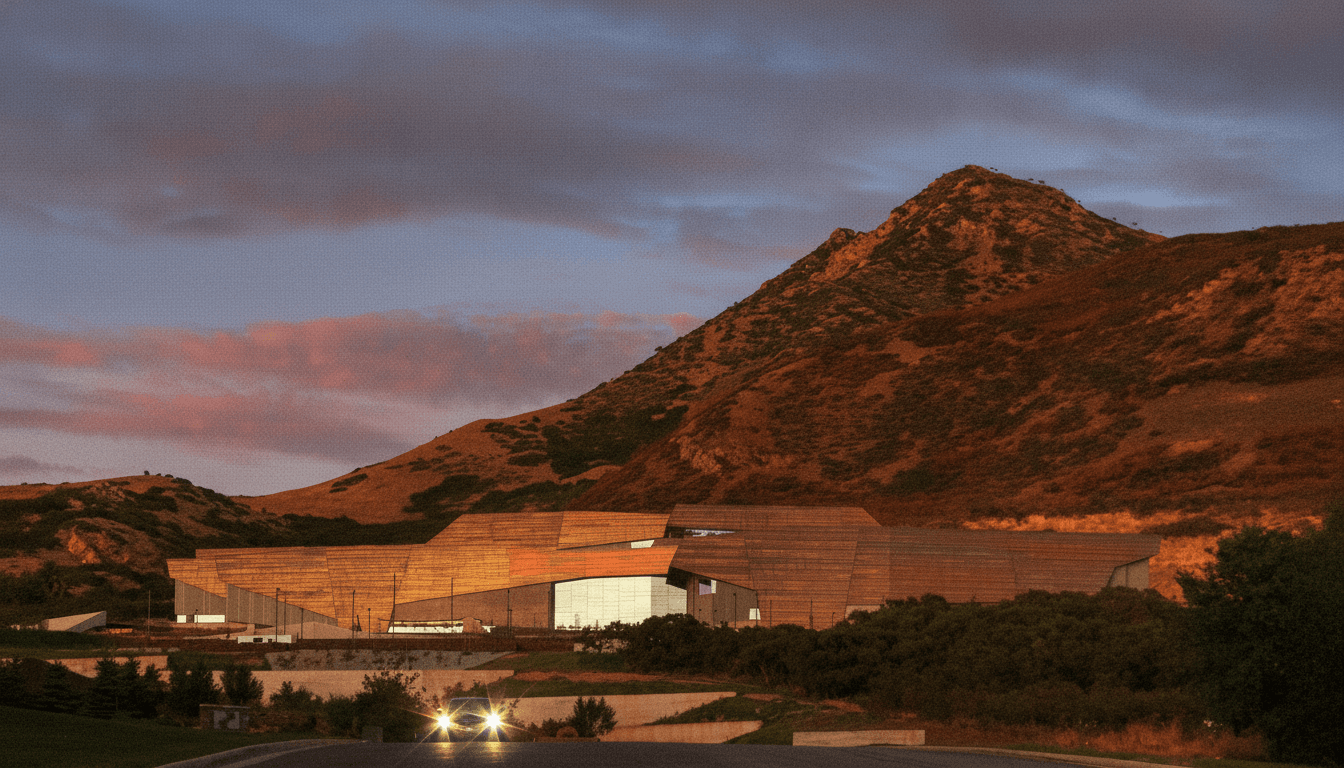
The Museum of Utah turns the Capitol Complex into a summer stop that works as well for road-trippers as it does for locals on a day off. Opening day lands in the nation’s 250th anniversary year, and the museum arrives as Utah’s first state history museum, with a grand opening celebration that stretches from 9 a.m. to 8 p.m. on Saturday, June 27.
A Capitol Complex stop that changes the trip map
The opening gives Salt Lake City a new indoor anchor at exactly the right moment in the season. Utah Historical Society describes the Museum of Utah as an extension of its own work, with world-class exhibits, programming, and community spaces, which makes it feel less like a single attraction and more like a new way to read the state before heading back out toward the highway. For travelers who usually think of Utah in terms of red rock and trailheads, that matters: this is a culture stop built into the same itinerary as the scenery.
The timing also helps. A full-day opening on June 27 means the museum can fit into a drive day, a city overnight, or a detour between the northern and southern halves of the state. The Capitol Complex setting keeps it close to the center of Salt Lake City, so it works as the kind of place you can visit in the morning, break for lunch, and still have time to make a sunset push toward the desert.
Why the museum belongs in a summer Utah route
The bigger story is not just that Utah has a new museum, but that the museum widens the definition of what a Utah summer trip can be. The state’s visitor pitch has long leaned on national parks, canyons, and open space, yet the Museum of Utah adds a different kind of stop: one that gives context to the landscapes people spend the rest of the week chasing. If you are building a Southwest Adventure Vacations-style route, that balance is the point.

It also slots neatly into the state’s strongest summer habit, which is stretching the day until the light goes away. The museum handles the midday heat and gives the trip a sense of place, while Utah’s evening programs pick up as the sun drops. That rhythm turns the opening into part of a larger summer calendar rather than a one-off ribbon-cutting.
Utah’s night programs are the second half of the itinerary
Dead Horse Point State Park sets the tone for the after-dark side of the trip. Utah State Parks lists a June 26 ranger program called “Dark Skies Over Dead Horse Point” at 9:30 p.m., followed by a June 27 “Telescopic Geo-Talk” at 7:00 p.m. The park’s canyon views and 2,000-foot overlook above the Colorado River already make it a classic daylight stop, but those evening events show how deliberately Utah builds around the dark.
That same approach shows up at Goblin Valley State Park, where the June 27 “Bats of Goblin Valley Campfire Program!” starts at 9:30 p.m. in the amphitheater and ends with a campfire and s’mores. It is the kind of programming that works for families, desert campers, and anyone who wants one more reason to stay in the park after dinner instead of heading back to the hotel.
Great Salt Lake State Park keeps the moonlit theme going with a Full Moon Walk series on June 29, July 29, August 27, September 26, and October 25. Red Fleet State Park adds a Full Moonrise Watch on June 29 from 8:45 p.m. to 9:45 p.m., with a ranger-led discussion of dark skies and moon trivia before moonrise. Taken together, those dates show that Utah is not treating night programming as a novelty. It is building a summer schedule around it.
The wider dark-sky circuit reaches beyond the state parks
Utah’s evening programming also fits into a broader regional pattern. The National Park Service says Arches National Park, Canyonlands National Park’s Island in the Sky district, and Dead Horse Point sometimes coordinate ranger night-sky programs around the new moon. That makes the state’s after-dark calendar feel less like a scattered set of events and more like a connected visitor network spanning parks and public lands.
For travelers crossing the state, that matters as much as a trail map. It means one trip can hold a museum visit in Salt Lake City, a stargazing program in a state park, and a moonrise watch a few nights later without ever losing the thread. Utah’s biggest asset is not just that it has dramatic daylight scenery. It is that the state knows how to keep the trip going when the light changes.
A holiday week with room for both civic and outdoor celebration
The roundup also includes a Patriotic Children’s Choir and other community events, which gives the week a public, local feel rather than a purely tourist one. That mix is part of what makes the Museum of Utah such a natural fit for the moment: it joins a calendar where civic celebration, family programming, and night-sky adventures are already sharing space. The result is a summer itinerary that can move from museum galleries to canyon overlooks without ever feeling stitched together.
That is what makes the Museum of Utah opening more than a new date on the calendar. It gives the Capitol Complex a reason to be the first stop, then hands the rest of the evening to the parks, the moon, and the long Utah summer night.
This article was produced by Prism’s automated news system from verified source data, official records, and press releases, then run through automated quality and moderation checks before publishing. The system is built and supervised by the people who set the standards it runs under. Read our full AI policy.
Did this article answer your question?