Southern Utah flash-flood threat returns for slot canyons Sunday
Southern Utah’s slot canyons were back on watch Sunday as southbound moisture threatened afternoon thunderstorms, lightning and flash floods in the tightest drainages.
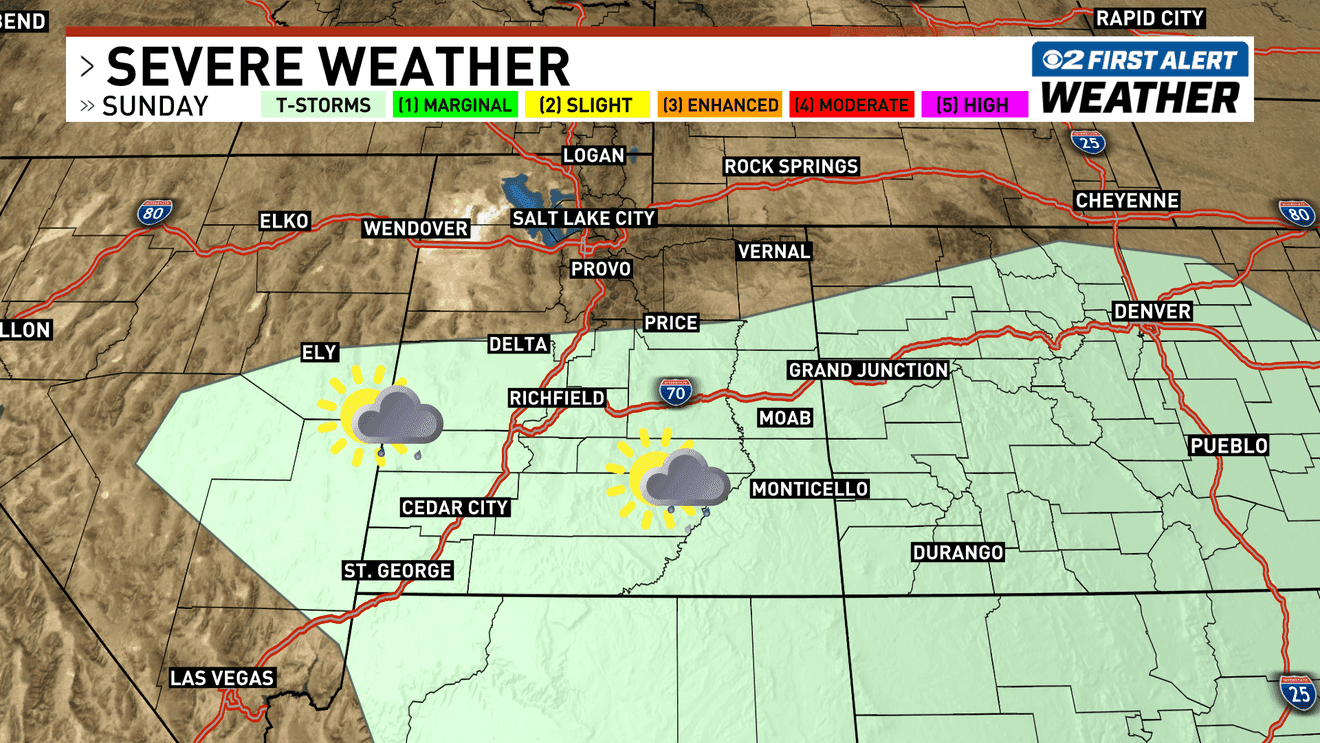
Southern Utah’s slot canyons went onto the danger list again Sunday after a June 14 forecast update warned that moisture moving up from the south would spark scattered thunderstorms across southern and central Utah. The station told visitors to stay out of slot canyons Sunday afternoon and evening, when flash-flood risk, erratic winds and lightning were all in play. For anyone headed into a narrow drainage, wash-bottom route or backcountry canyon, that was a clear no-go.
That warning lands hard because the most popular canyon-country objectives are also the least forgiving. Zion National Park says a flash flood can rush down a canyon in a wall of water 12 feet high or more. Capitol Reef National Park says a flood can hit even when the rain falls outside the park, and Utah flood-preparedness guidance says steep canyons and arid plateaus can turn intense rainfall into rapid runoff. In other words, the hazard is not just rain overhead. It is water funneling in from miles away.

The timing is what makes the decision point so sharp. Capitol Reef says monsoon season runs from mid-June to mid-October, with storms often intensifying after noon, and its visitor-center weather station averages 7.91 inches of precipitation a year. Canyonlands says late-summer monsoon season brings violent storm cells that often cause flash floods, and its road-conditions page, updated June 16, told backcountry travelers to be prepared to self-rescue. A June 18 National Weather Service outlook had still listed Bryce Canyon, Zion, Canyonlands, Capitol Reef, Glen Canyon and other Southwest recreation areas as not expecting flash flooding for the rest of Thursday, Friday and Saturday, a reminder of how fast the map can change.

The morning checklist is simple: if the forecast still shows moisture coming up from the south, scattered thunderstorms later in the day, or any chance of afternoon lightning, cancel slot-canyon plans before you leave town. Pivot to higher-ground, non-drainage hikes, rim routes and other objectives that do not force you into a wash or constricted canyon. Zion’s Zion-Mt. Carmel Highway already had large-vehicle restrictions in place since June 7, another sign that summer logistics in canyon country can shift even before the weather does.
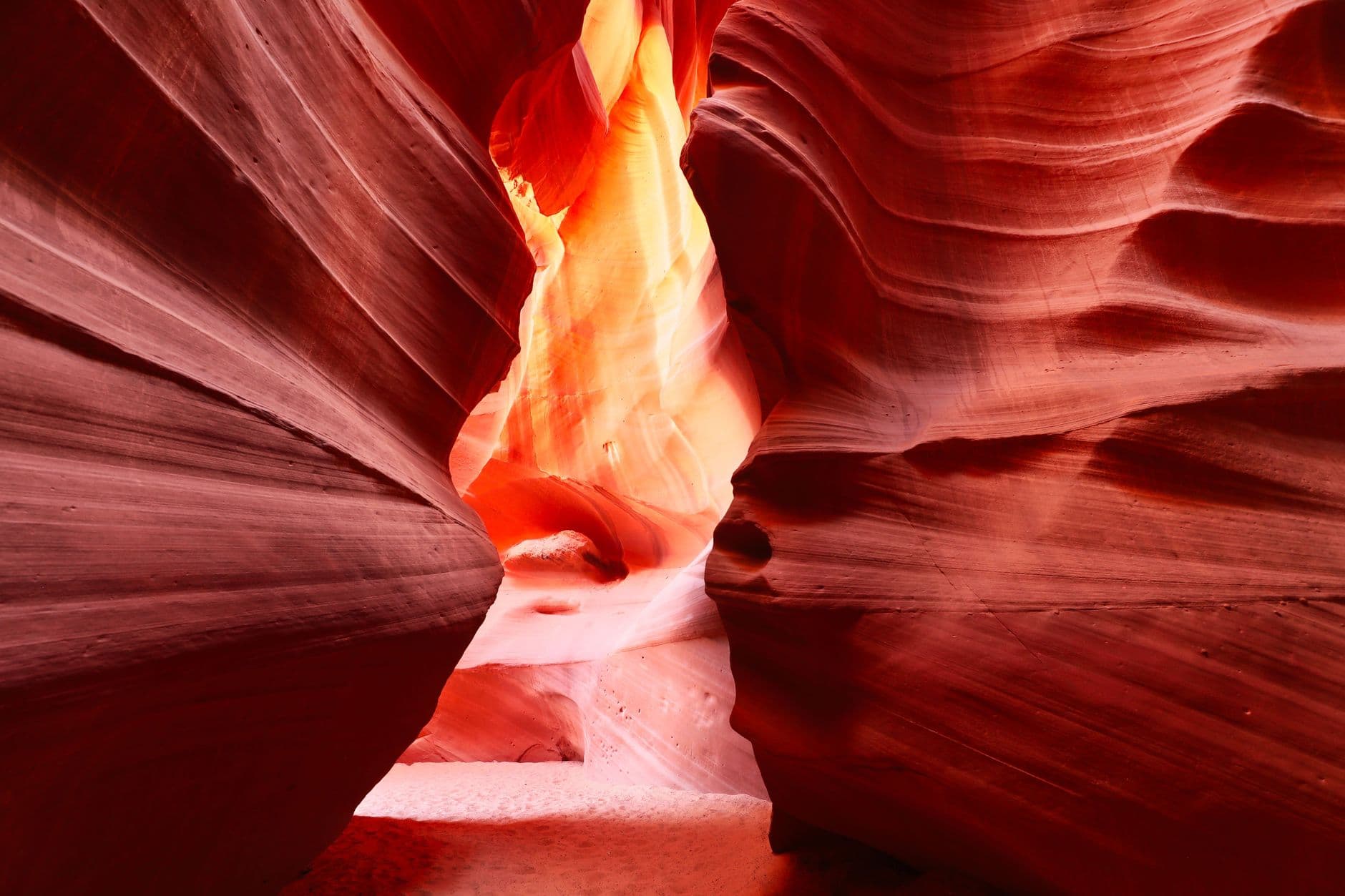
Southern Utah has seen this movie before. KUTV reported in 2025 that heavy rain brought “life-threatening” flash flooding to parts of southern Utah, including Zion National Park and the Forsyth Fire burn scar, and Grand County’s flood-damage records point to another severe-weather event on June 21, 2024. In canyon country, a calm morning can turn into a rescue problem by afternoon if the drainage starts to load.
This article was produced by Prism’s automated news system from verified source data, official records, and press releases, then run through automated quality and moderation checks before publishing. The system is built and supervised by the people who set the standards it runs under. Read our full AI policy.
Did this article answer your question?