St. George specialist warns hikers, proper footwear can prevent trail injuries
After a 70-foot fall near Moab and a fatal Zion plunge, Dr. Landon Cameron says worn shoes and weak ankles can turn a hike into a rescue.
A 70-foot fall in Pritchett Canyon and a fatal plunge at Angels Landing sharpened a warning from St. George podiatrist Dr. Landon Cameron: the wrong shoes and weak ankles can turn a scenic southern Utah hike into a rescue. In a June 2 safety note, Cameron said many trail injuries are preventable, especially when hikers head into steep, loose or technical terrain without thinking about foot stability and ankle control.
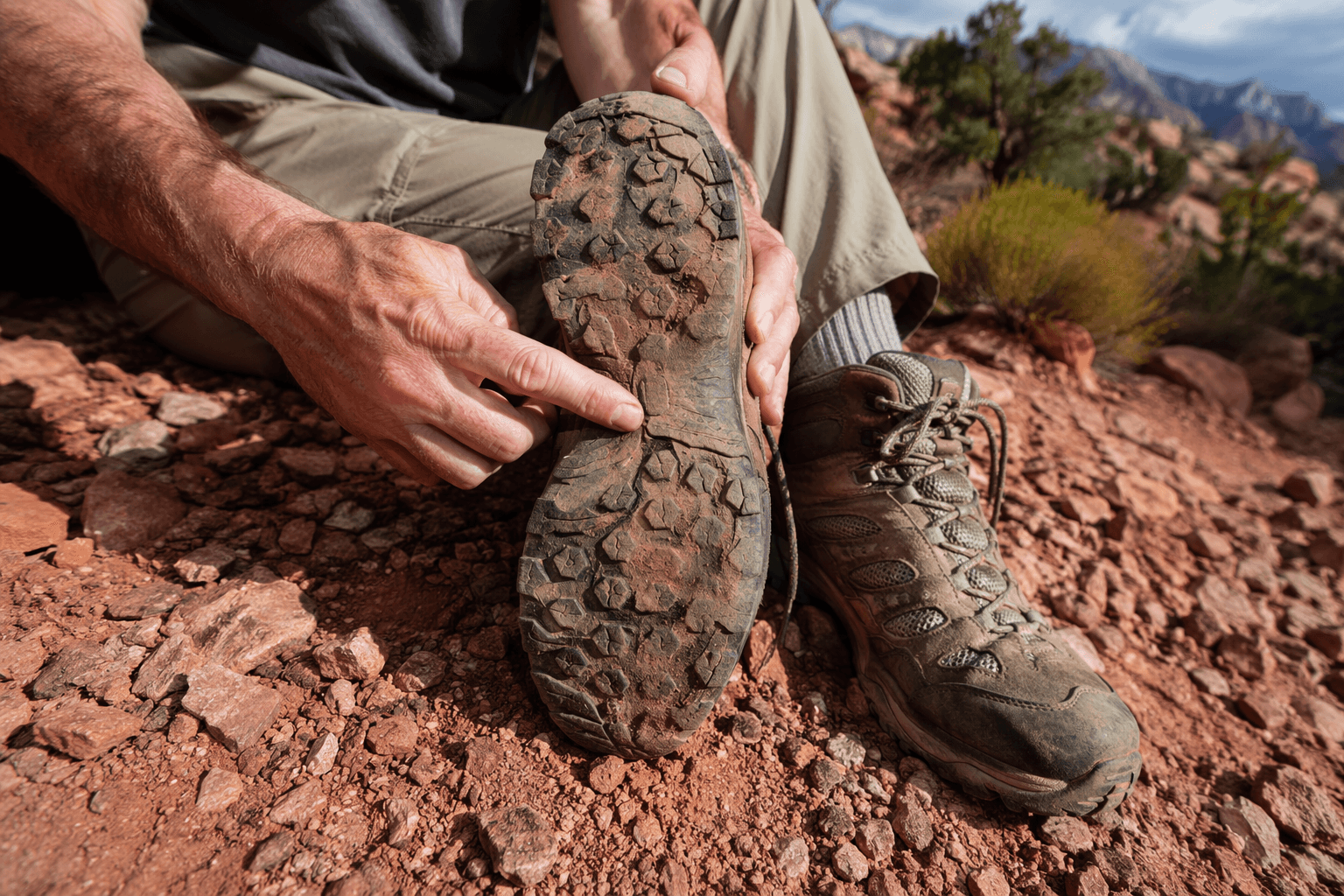
Cameron, identified as a DPM and FACFAS, said hikers often focus on mileage, scenery and timing while overlooking the mechanics that keep them upright on uneven ground. His advice is blunt and practical for the slickrock and canyon routes that draw visitors to Zion, Moab and the surrounding red rock country. Choose hiking boots or shoes with ankle support, a firm midsole and a grippy outsole. Leave worn athletic shoes and sandals behind when the route is rocky, steep or full of rubble.
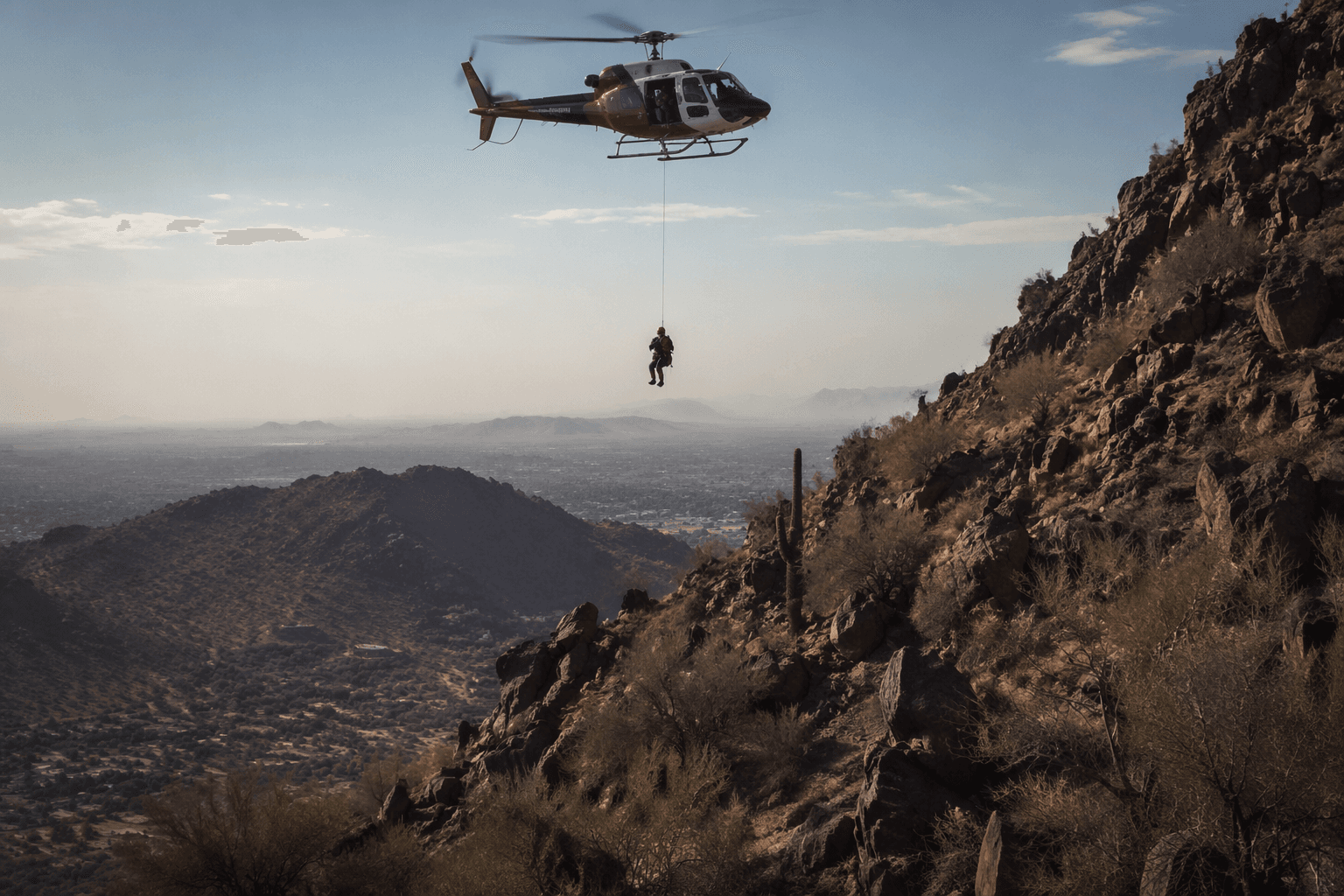
The warning follows a string of serious accidents across Utah this spring, including the April 10 rescue in Pritchett Canyon west of Moab. In that incident, a visitor fell roughly 70 feet and was critically injured, triggering a response from Grand County Search and Rescue, EMS, helicopters and technical rope teams that took nearly three hours. A separate fatal fall on the Angels Landing trail in Zion National Park also helped prompt Cameron to speak out about trail readiness.
He said ankle instability, poor conditioning and the wrong footwear can quickly turn a manageable hike into a medical event. Cameron’s prevention advice goes beyond the store shelf: warm up before starting, stretch the calves and Achilles, build ankle strength gradually in the weeks before a trip and be willing to turn around when fatigue or pain starts changing the way you move. That matters on trails where one bad step on slickrock or loose rock can send a hiker off balance in a hurry.
Cameron’s Foot & Ankle Center serves patients in St. George and Mesquite, two communities that sit close to some of southern Utah’s busiest hiking corridors. His message fits the terrain: Zion and Moab offer some of the most dramatic hikes in the region, but exposure, steep edges and remote access punish poor foot placement fast. A better-fitting shoe, a little pre-trip training and a slower pace can keep a trail day from becoming an evacuation.
This article was produced by Prism’s automated news system from verified source data, official records, and press releases, then run through automated quality and moderation checks before publishing. The system is built and supervised by the people who set the standards it runs under. Read our full AI policy.
Know something we missed? Have a correction or additional information?
Submit a Tip