U.S. finalizes transfer of sacred Apache land for Arizona copper mine
Oak Flat, a sacred Apache campground and climbing area, is now in Resolution Copper’s hands after the Forest Service finalized the transfer of 2,422 acres.

The U.S. Forest Service finalized the transfer of 2,422 acres at Oak Flat to Resolution Copper on March 16, 2026, putting one of Arizona’s best-known public recreation landscapes on a path toward underground copper mining. For campers, climbers and forest users who have long treated the Tonto National Forest site as a place to camp under old oaks and climb its rock faces, the decision means the future of access now runs through a mining project that could eventually collapse the ground into a crater nearly two miles wide.
Acting Forest Supervisor Ericka Luna signed the record of decision for the Resolution Copper Project and released an errata to the final environmental impact statement, which had been published June 20, 2025. The Forest Service and the U.S. Department of Agriculture tied the exchange to domestic mineral independence and energy dominance. The deposit is one of North America’s largest copper reserves and matters for defense, grid modernization and next-generation energy.
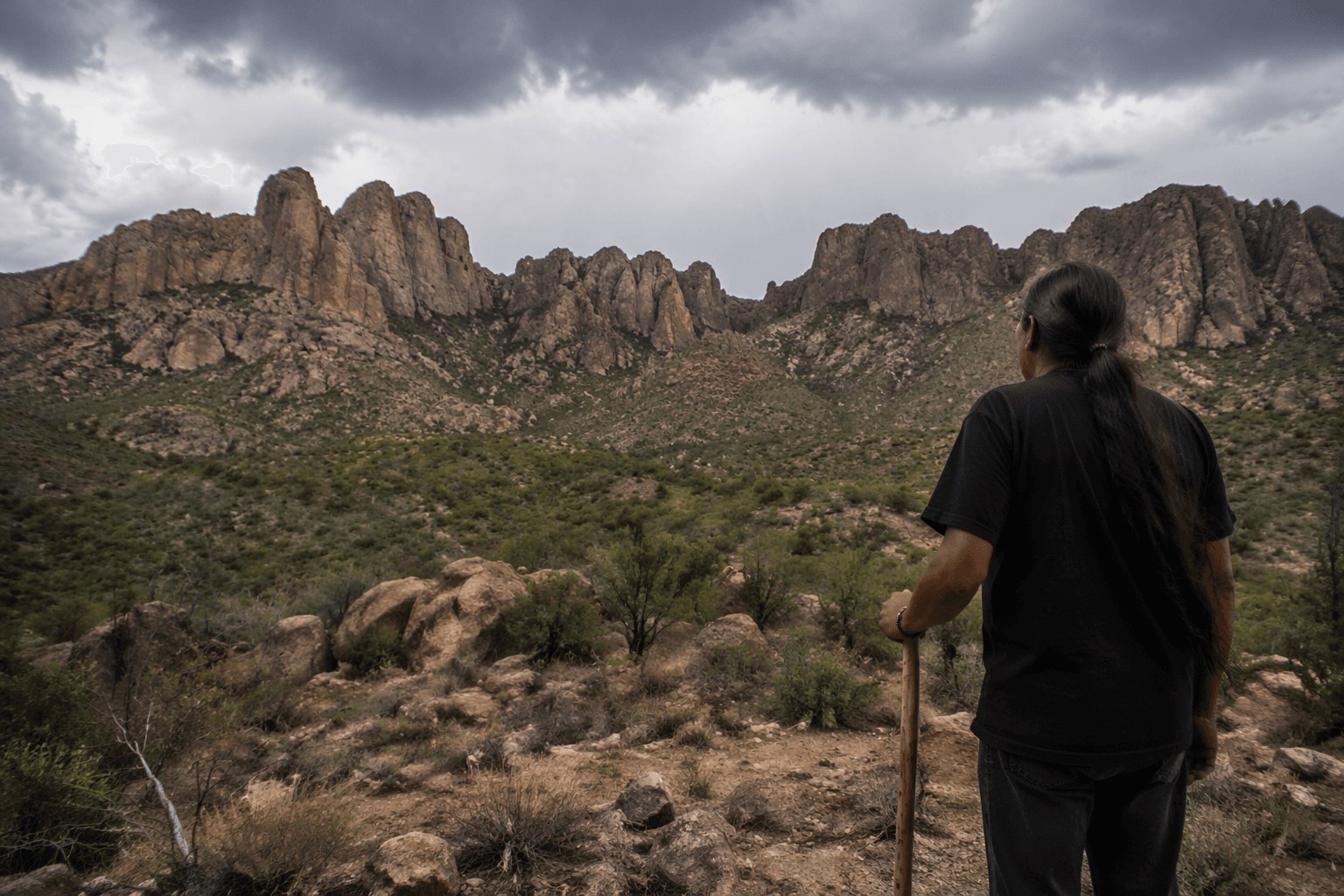
Oak Flat, also known to Western Apache people as Chich’il Biłdagoteel, had been protected from mining for nearly 60 years under an order President Dwight D. Eisenhower issued in 1955. That changed in 2014, when Congress inserted the land swap into the National Defense Authorization Act, a move championed by the late Sen. John McCain. Apache Stronghold filed suit in January 2021 to stop the transfer, and in 2026 the federal courts and the U.S. Supreme Court did not block it.
Resolution Copper, a joint venture owned by Rio Tinto and BHP, plans to produce about 40 billion pounds of copper over 40 years and about $500 million in additional preliminary spending over two years for enabling works, drilling, community support and early underground development, with about 100 new jobs tied to that phase.
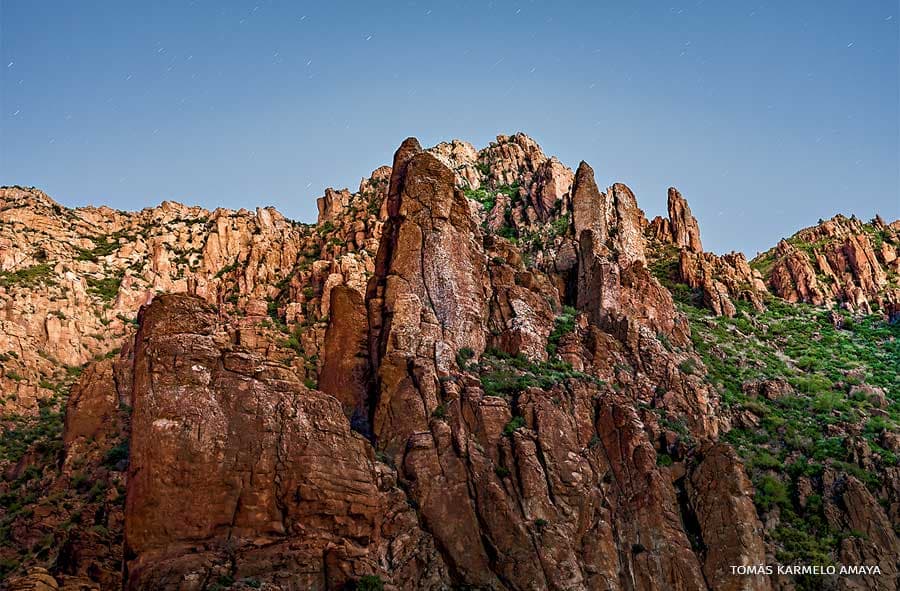
Twenty-one tribes have objected to the project, and Apache Stronghold, the San Carlos Apache Tribe, Apache women plaintiffs and environmental groups argue the mine would permanently destroy a sacred place central to religious life and cultural identity. The National Wildlife Federation puts the mine’s water use at 250 billion gallons over 40 years and the waste at nearly 1.4 billion tons of toxic waste, while critics warn that block-cave mining would flatten the surface into a crater about a mile deep.
This article was produced by Prism’s automated news system from verified source data, official records, and press releases, then run through automated quality and moderation checks before publishing. The system is built and supervised by the people who set the standards it runs under. Read our full AI policy.
Did this article answer your question?