Utah adds 50,000-acre Book Cliffs tract to wildlife area
Utah has folded nearly 50,000 roadless Book Cliffs acres into a wildlife area, keeping a huge backcountry corridor open for hunting, fishing, and wildlife viewing.
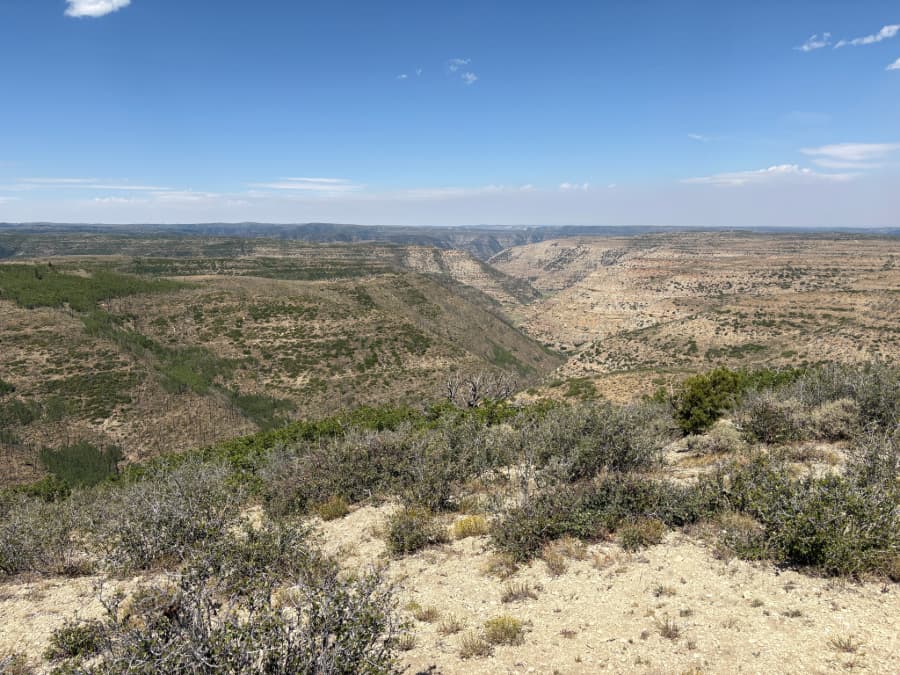
Utah finalized the purchase of roughly 50,000 acres in the Book Cliffs roadless area and added the tract to the existing Little Creek Wildlife Management Area in northeastern Utah. The new unit will be managed as the Book Cliffs Roadless Wildlife Management Area, a move that keeps one of the region’s most remote public-access landscapes tied to hunting, fishing, and wildlife use.
The parcel had been owned by the Utah School and Institutional Trust Lands Administration, and the purchase was paid for with money the Legislature set aside in 2025 specifically to buy large trust land parcels that protect hunting, fishing, and public access. For backcountry travelers, that funding decision matters as much as the acreage itself: it signals that Utah is willing to use state dollars to keep a roadless place functioning as a place to hunt, fish, and move through on foot or horseback without the pressure of development at the surface.

Wildlife officials say the tract is important habitat for deer, elk, bison, black bear, Colorado River cutthroat trout, and other species. Deputy Director Michael Canning said the agency saw the purchase as a way to keep the area available for both wildlife and the public, and to preserve the hunting and fishing opportunities people have used there for decades.
The sale also fit Trust Lands’ long-term financial strategy. Officials there described the transaction as a better return for Utah schools because the fair-market proceeds can be invested in the Permanent State School Fund. Trust Lands will keep the subsurface mineral rights, which leaves open the possibility of future development if those resources ever become economically viable.
For the Southwest adventure crowd, the practical takeaway is straightforward: a large roadless stretch in Grand County is now less likely to be fragmented or closed off, and its draw remains exactly what made it valuable in the first place. The appeal is the lack of roads, the wildlife tied to that terrain, and the kind of access that rewards hunters, anglers, and anyone looking for a true Book Cliffs backcountry experience.
This article was produced by Prism’s automated news system from verified source data, official records, and press releases, then run through automated quality and moderation checks before publishing. The system is built and supervised by the people who set the standards it runs under. Read our full AI policy.
Did this article answer your question?