Utah reservoir parks face access issues as record-low snowpack persists
Low water is already squeezing Piute and Yuba, and Utah officials say peak runoff has already passed before summer boating season really begins.

Boat ramps, shoreline space, and even the decision to keep a lake weekend on the calendar are under pressure at Utah’s reservoir parks as record-low snowpack leaves less water to refill them. Piute State Park and Yuba State Park are already showing the strain, and for boaters, paddlers, anglers, and families building a summer itinerary, the practical question is no longer whether these places are worth the drive, but whether launch access will still work when they arrive.
The state’s drought update on April 23 said peak runoff had already come and gone because of record-low snowpack and record-high temperatures. Utah was in some form of drought statewide, with 59% in extreme drought. Reservoir storage averaged 72% full, down from 82% the year before, while streamflow runoff was forecast at about 50% of normal and Colorado River inflows into Lake Powell at 40% of normal. Utah, Wyoming, Colorado, and New Mexico also approved a Flaming Gorge release plan of 660,000 to 1 million acre-feet to help protect Lake Powell through April 2027.
The snowpack numbers were even starker. The Natural Resources Conservation Service said April 1, 2026 brought the lowest April 1 snow water equivalent ever recorded in Utah since measurements began around 1930, at 2.7 inches, or 19% of median. Utah’s snowpack peaked on March 9, more than three weeks earlier than normal, and 53 of the state’s 140 SNOTEL sites were already dried out by April 1, a count that rose to 64 by one week later. That means less runoff is left to refill reservoirs as summer heat climbs.
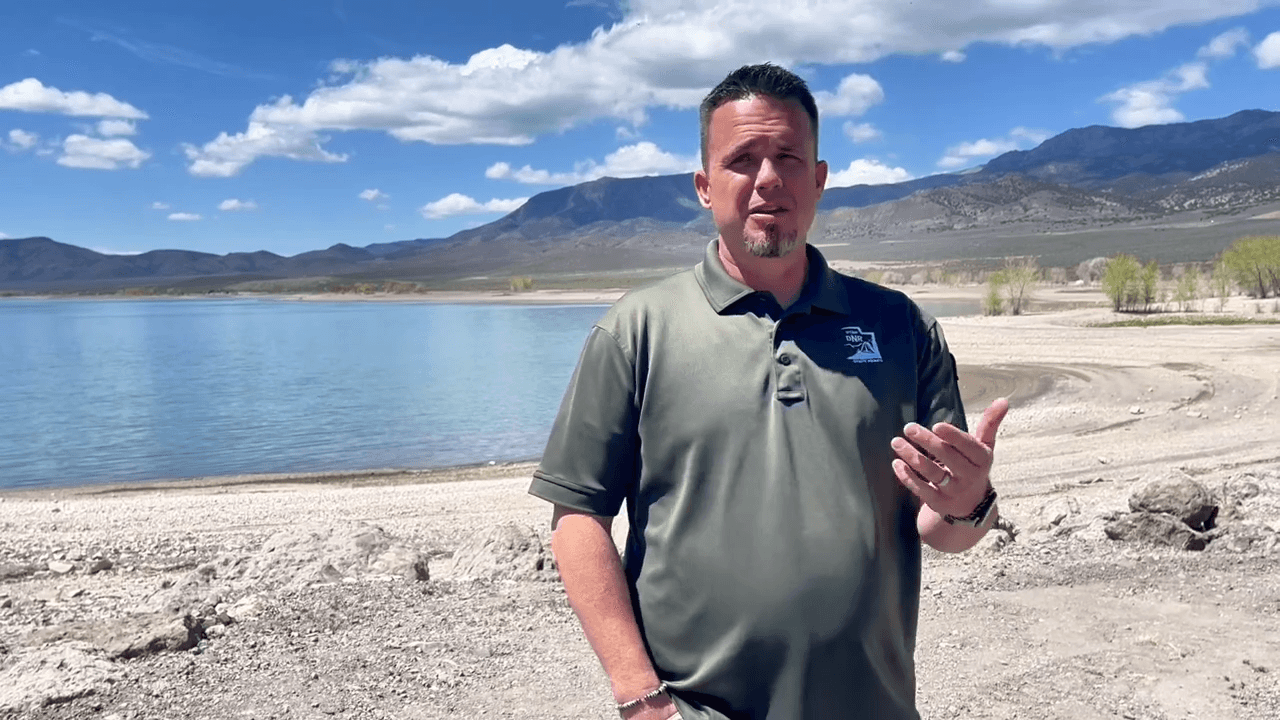
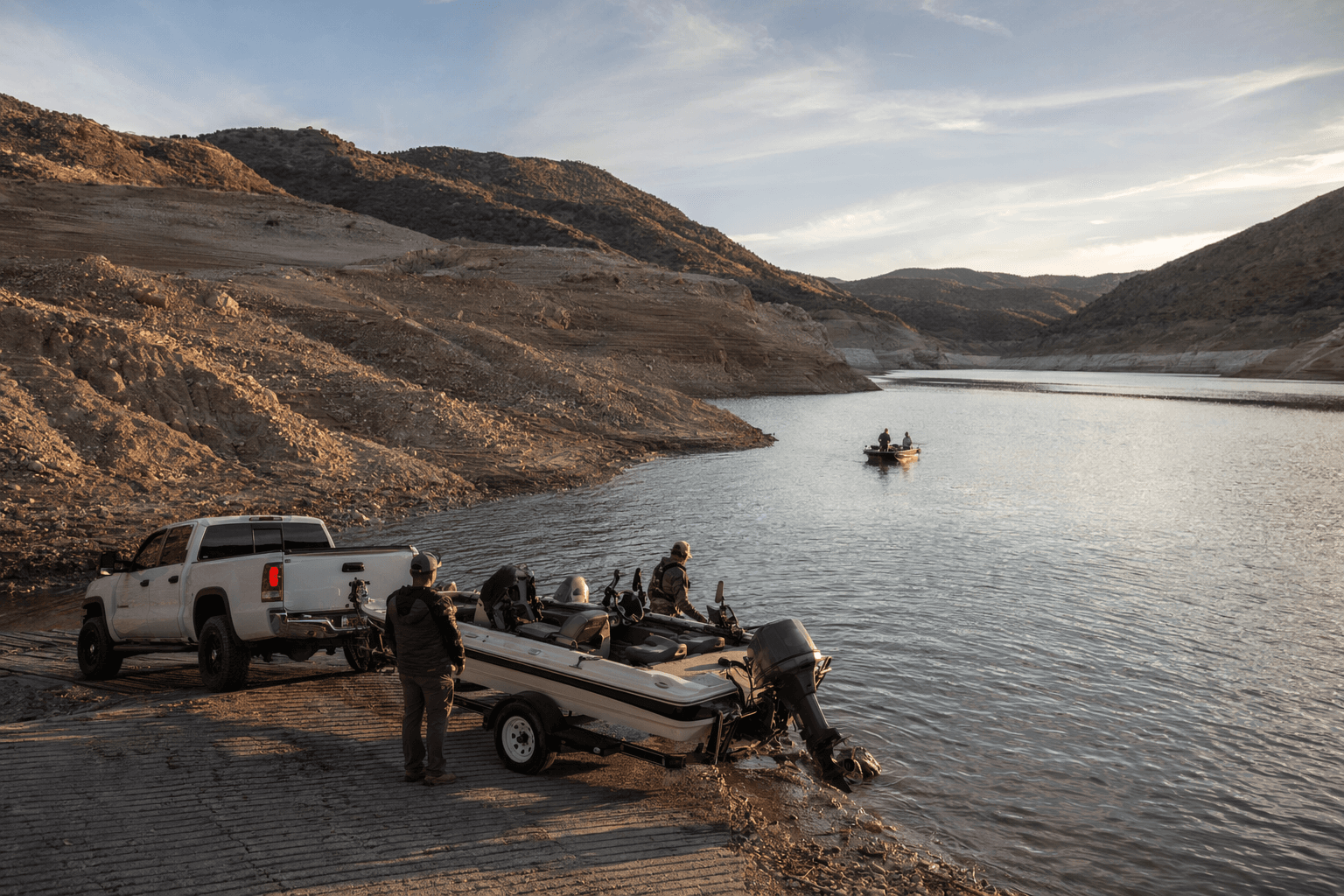
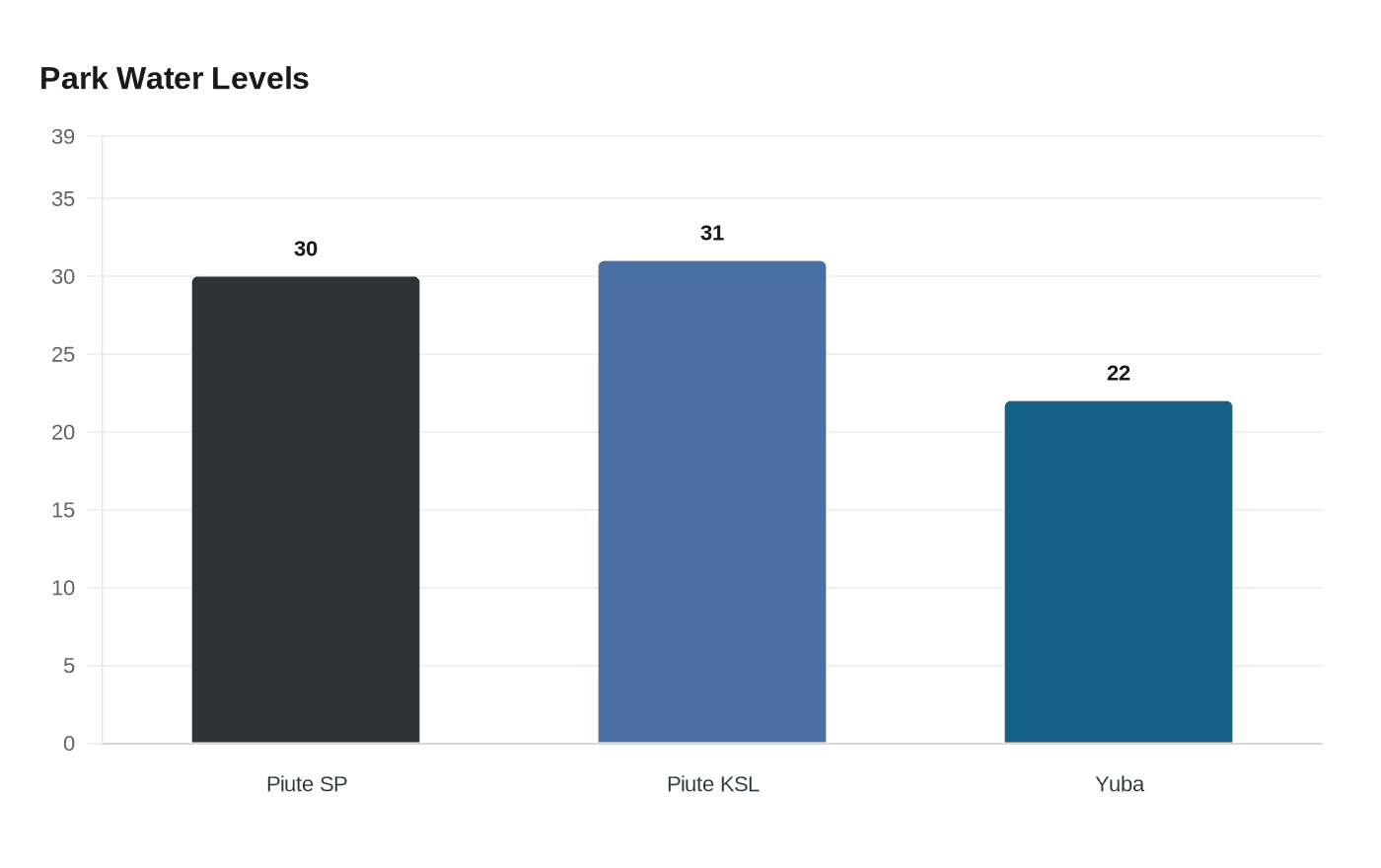
At the park level, the consequences are easy to see. Utah State Parks said Piute’s water level was 30% and dropping quickly, while KSL reported Piute had fallen to 31% capacity, about half of where it stood in May 2025. Yuba had dropped to 22% capacity. Low water can force parks to close boat launch ramps or change access to protect visitors and property, even when other functions continue. At Yuba, the vessel decontamination station remained open while the fish cleaning station was closed until mid-May.
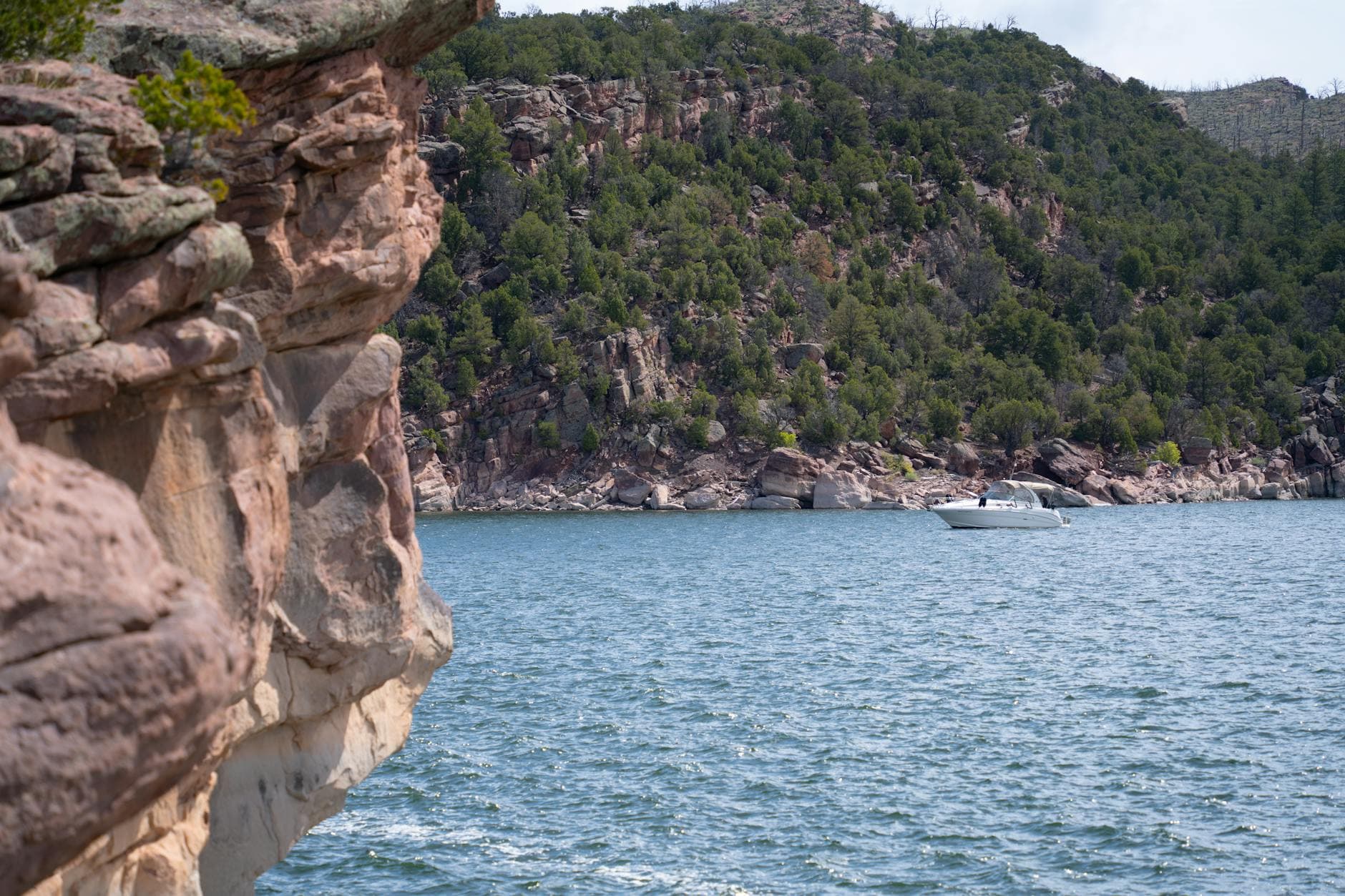
The squeeze lands hardest at the parks that anchor Utah’s summer recreation economy. About two dozen state parks are centered around reservoirs or natural lakes, and those water-based destinations accounted for nearly two-thirds of Utah State Parks’ more than 12.2 million visits last year. Sand Hollow State Park, one of the system’s biggest draws, logged almost 1.4 million visitors last year and offers boating, fishing, diving, camping, and off-highway vehicle access. Its day-use fee also rose from $20 to $25 this year, adding another cost at the same time water levels are tightening options.
For travelers eyeing a reservoir trip, the playbook is changing fast: check conditions before leaving, be ready to swap one lake for another, and have a backup plan if the favorite ramp is too shallow to use. With runoff already spent early, the water between a smooth launch and a canceled day is getting thinner across Utah’s reservoir parks.
Know something we missed? Have a correction or additional information?
Submit a Tip