Why 2026 is the year to skip Grand Canyon and Zion
Grand Canyon and Zion still run on shuttle lines and crowd control. In 2026, smarter Southwest swaps can mean easier parking, fewer bottlenecks and a calmer day outdoors.
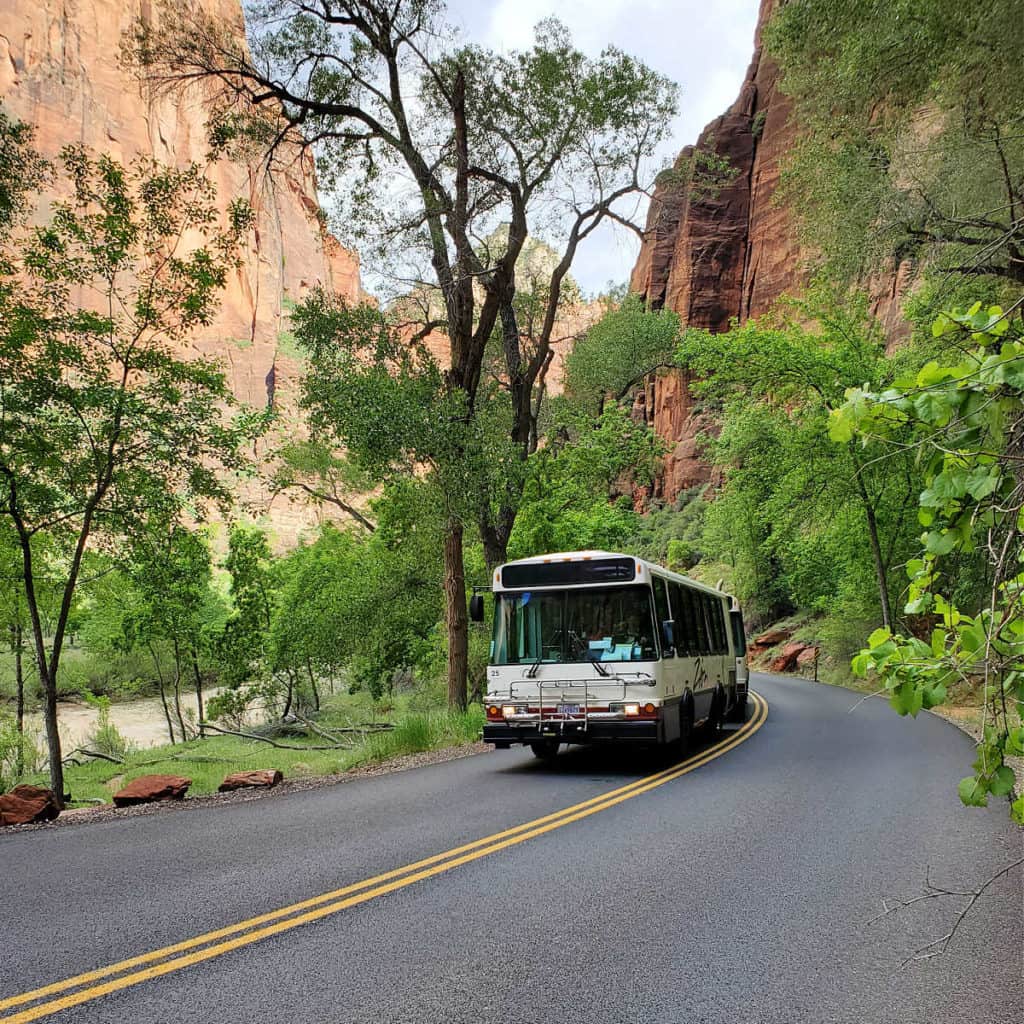
The easiest way to improve a Southwest summer trip is to stop chasing the most famous parking lots. Grand Canyon and Zion are still absorbing huge visitation, and both parks are leaning hard on shuttle systems, vehicle limits and circulation rules. The better move in 2026 is to trade some icon pressure for parks where the scenery still feels big, but the day feels easier to manage.
Why the big-name parks are harder to enjoy right now
The National Park Service logged 323 million recreation visits in calendar year 2025, a 2.7% drop from 2024, and that number still speaks to how much pressure the system carries across more than 400 park units. The agency’s annual statistics usually arrive in the first months of the following year, while the Social Science Program’s monthly visitor-use data run back to 1979 for parks that report monthly figures. That long record makes the crowding story hard to miss: the biggest parks are still operating like blockbuster destinations, not quiet escapes.
Grand Canyon National Park and Zion National Park sit at the center of that pressure. Zion has exceeded 5 million annual visits, and Grand Canyon’s South Rim keeps a full summer shuttle system in service from May 23 through September 11, 2026, with the Hikers’ Express starting May 23. Zion’s shuttle is free, but during shuttle season personal vehicles cannot drive the Zion Canyon Scenic Drive, and as of June 7, 2026, the park is also enforcing large-vehicle restrictions on the Zion-Mt. Carmel Highway. Grand Canyon’s scale adds its own weight too: the park spans 278 miles of the Colorado River and sits on the ancestral homelands of 11 present-day Tribal Communities.
That combination is exactly why the “hidden gem” strategy works. These are not just prettier detours. They are parks with different management regimes, different traffic patterns and a better chance of giving you a full day outdoors without spending it in a line.
If you want big desert drama without the South Rim crush
Petrified Forest National Park is the most natural swap when you want a road-trip park that still feels like a landscape story. The National Park Service highlights its ancient geology and Route 66 resources, which makes it especially appealing if part of the Grand Canyon appeal for you is the drive as much as the overlook. It is the kind of park where you can step off the highway, take in the colors and layers, and keep moving without the parking scramble that defines peak days at the South Rim.
White Sands National Park gives you the other kind of big Southwest sightline, the one built from open space rather than canyon depth. The park says it is New Mexico’s most visited National Park Service site, and it recorded 782,469 visitors in 2021. Even with that popularity, it offers a very different feel from the mega-icon parks: broad, bright and easy to understand the moment you walk into it. If your goal is a memorable landscape with less decision fatigue, it is a strong alternative.
For canyon walls and a more grounded sense of place
Canyon de Chelly National Monument is the most meaningful Grand Canyon substitute if you want a canyon trip that feels lived-in, not just photographed. The monument is entirely on Navajo tribal lands, and Diné families still live in the canyon. That changes the experience in a way no overlook can fake: the place is not only scenery, it is homeland.
For travelers who care as much about context as about views, that matters. A day here is still about canyon walls, light and scale, but it also asks you to slow down and recognize who belongs to the landscape. It is a different kind of Southwest adventure, one that brings the human story into the frame rather than setting it off to the side.
For a managed but rewarding trip with less guesswork
Carlsbad Caverns National Park solves a different problem: it gives you a memorable national-park day that does not depend on finding the right roadside parking space at the right minute. The cavern now requires timed-entry reservations to enter, and entrance tickets are purchased at the visitor center. That reservation structure changes the rhythm of the visit before you even arrive, replacing the uncertainty of a crowded trailhead with a more predictable start.
That predictability is part of the appeal. Instead of planning around whether the lot will be full or whether a shuttle will be packed, you are planning around a time slot. For a summer Southwest trip, that can be the difference between a stressful stop and a clean, manageable day underground.
For desert hiking without the Zion-style bottleneck
Chiricahua National Monument belongs on the shortlist if what you want from Zion is not the exact same canyon, but the feeling of moving through a sculpted desert landscape. The National Park Service says most of its visitors come in March and April, and the park can see 300 to 500 visitors per day in March. It also warns that parking lots can fill, which is useful to know because it tells you the park still has a real busy season, just on a different calendar than the big-name parks.
That makes Chiricahua useful in a guide like this. It is not a secret, and it is not empty by default, but it is a place where timing matters and where the experience can still feel more relaxed than the crush at Zion Canyon or the South Rim. If you are building a trip around slower trail time and less traffic friction, that seasonal rhythm is a real advantage.
For travelers who want a national park that still feels like a park
Capitol Reef National Park is the clearest example of a park that keeps paying attention to how people move through it. In 2026, the park opened visitor-circulation planning for public comment, with the comment period running from March 3 through April 3, 2026. That is the kind of management detail that matters to anyone trying to avoid congestion, because it shows the park is actively thinking about flow, access and the experience of being on the ground.
Taken together, these parks give you a very different Southwest vacation playbook. You can still have the geology, the canyon country, the desert light and the long views, but without making the whole day about shuttle schedules, vehicle restrictions and the race for a parking spot. That is the real 2026 shift: not giving up the Southwest, just choosing the version that leaves more room to actually enjoy it.
This article was produced by Prism’s automated news system from verified source data, official records, and press releases, then run through automated quality and moderation checks before publishing. The system is built and supervised by the people who set the standards it runs under. Read our full AI policy.
Did this article answer your question?