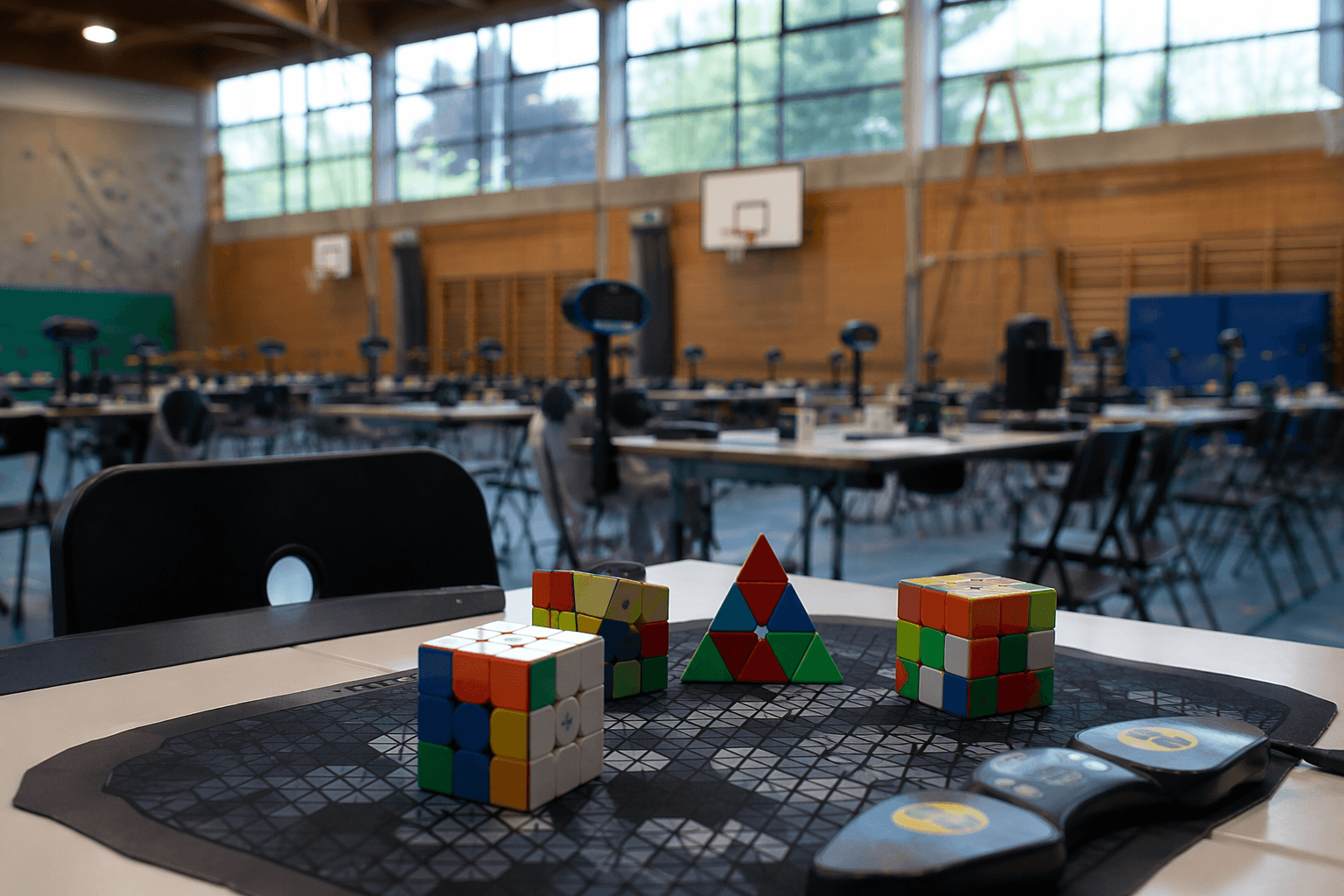
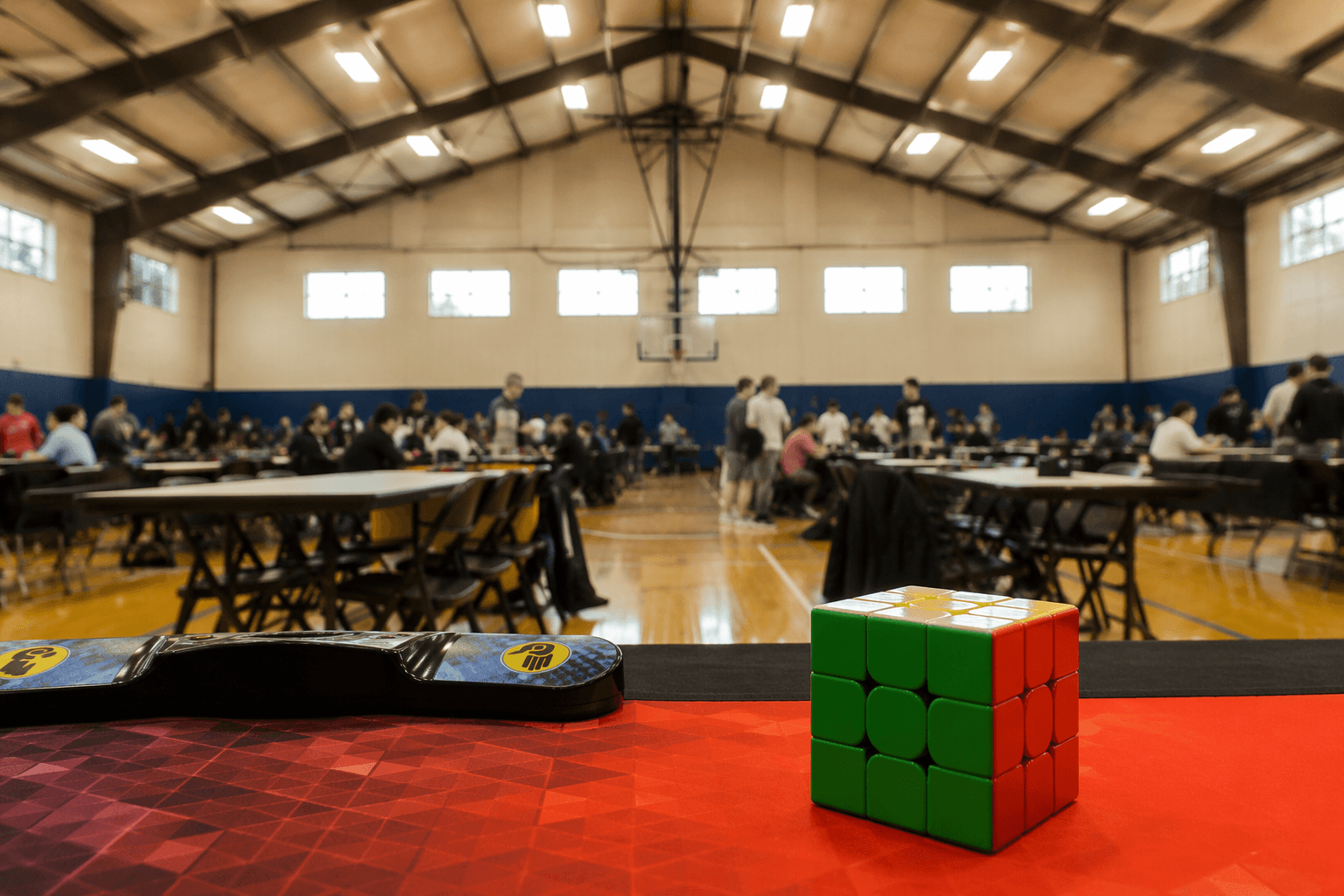
SpeedSolving.com wiki helps beginners navigate speedcubing methods and community
The wiki turns speedcubing from acronym soup into a clear first path, then points new cubers to the forums and the WCA’s route into competition.
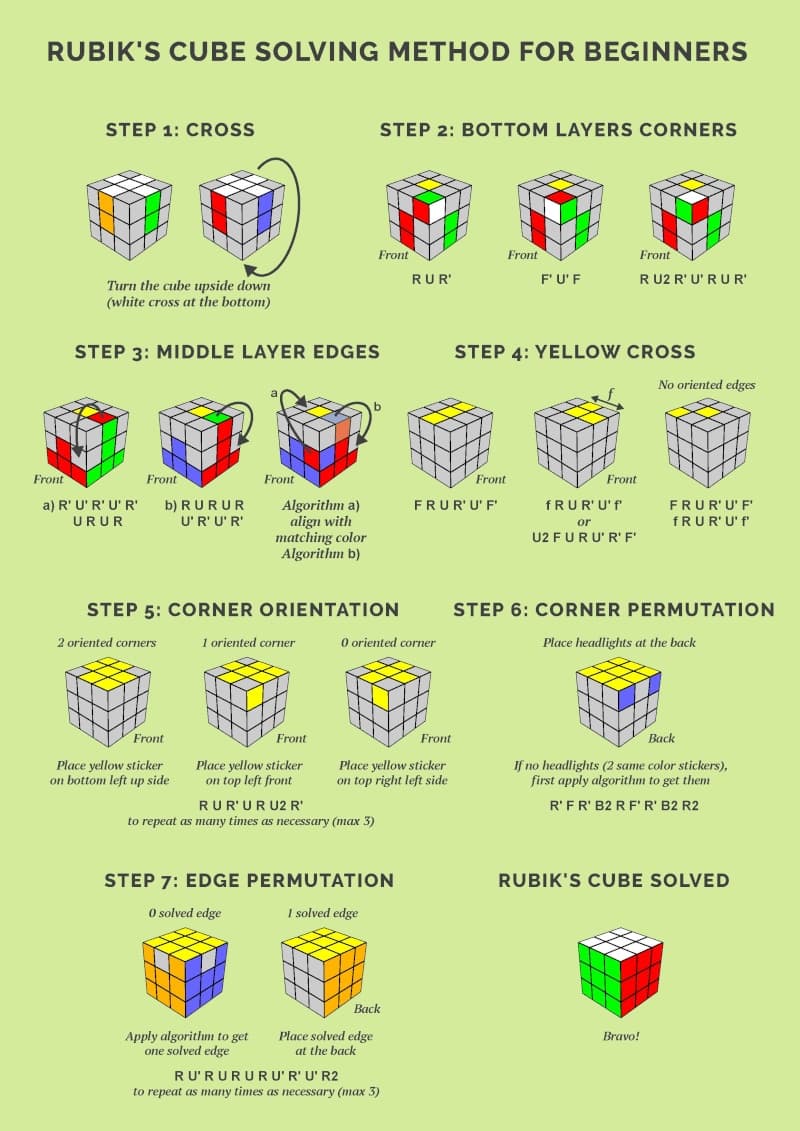
SpeedSolving.com’s Introduction to Speedcubing for Beginners tells new cubers not to swallow the whole hobby at once. It is built as a calm on-ramp into a world of methods, jargon, and community culture, with one simple instruction at its center: take it one step at a time.
A beginner guide that lowers the floor
The hobby can feel like a wall of acronyms before it feels like a puzzle. CFOP, Roux, ZZ, OLL, PLL, F2L, recognition drills, finger tricks, and a flood of tutorials can make a new solver feel behind before the first timed session even starts. The page does not assume any of that language is already familiar; it sorts the clutter into something a first-time cuber can actually use.
Instead of pushing a newcomer to memorize everything, the page frames speedcubing as a progression. It starts with the idea that solving a cube once is only the beginning, then shows how practice moves from a beginner method toward faster systems. Improvement in this hobby is usually incremental and methodical, not a single dramatic leap.
What to learn first, and what can wait
The clearest advice is simple: do not try to master every method on day one. If the terminology feels overwhelming, the page tells you to slow down and learn one step at a time. That means the early goal is understanding the structure of a solve, not collecting every advanced technique at once.
That practical filter keeps the hobby from becoming homework. You can leave the deeper method debate for later and focus first on basic consistency, the shape of a beginner solve, and the main questions that show up again and again. The page answers those common questions, which is exactly what makes it useful when the YouTube rabbit hole starts getting too deep.
J Perm said in his June 19, 2020 CFOP lesson that everybody learns at their own pace and style. A September 28, 2019 comparison video called CFOP, Roux, and ZZ the “big 3 speedsolving methods.” The beginner guide introduces that landscape without demanding that a new solver pick a lifelong identity immediately.
The community behind the solve
Speedcubing is not just a solitary practice session with a timer. The wiki points new cubers toward the SpeedSolving.com Forums, and that is where the hobby starts to feel social instead of solitary. Questions get answered there, methods get compared there, and practice habits get traded like secrets among people who have all stared at the same cube from different angles.
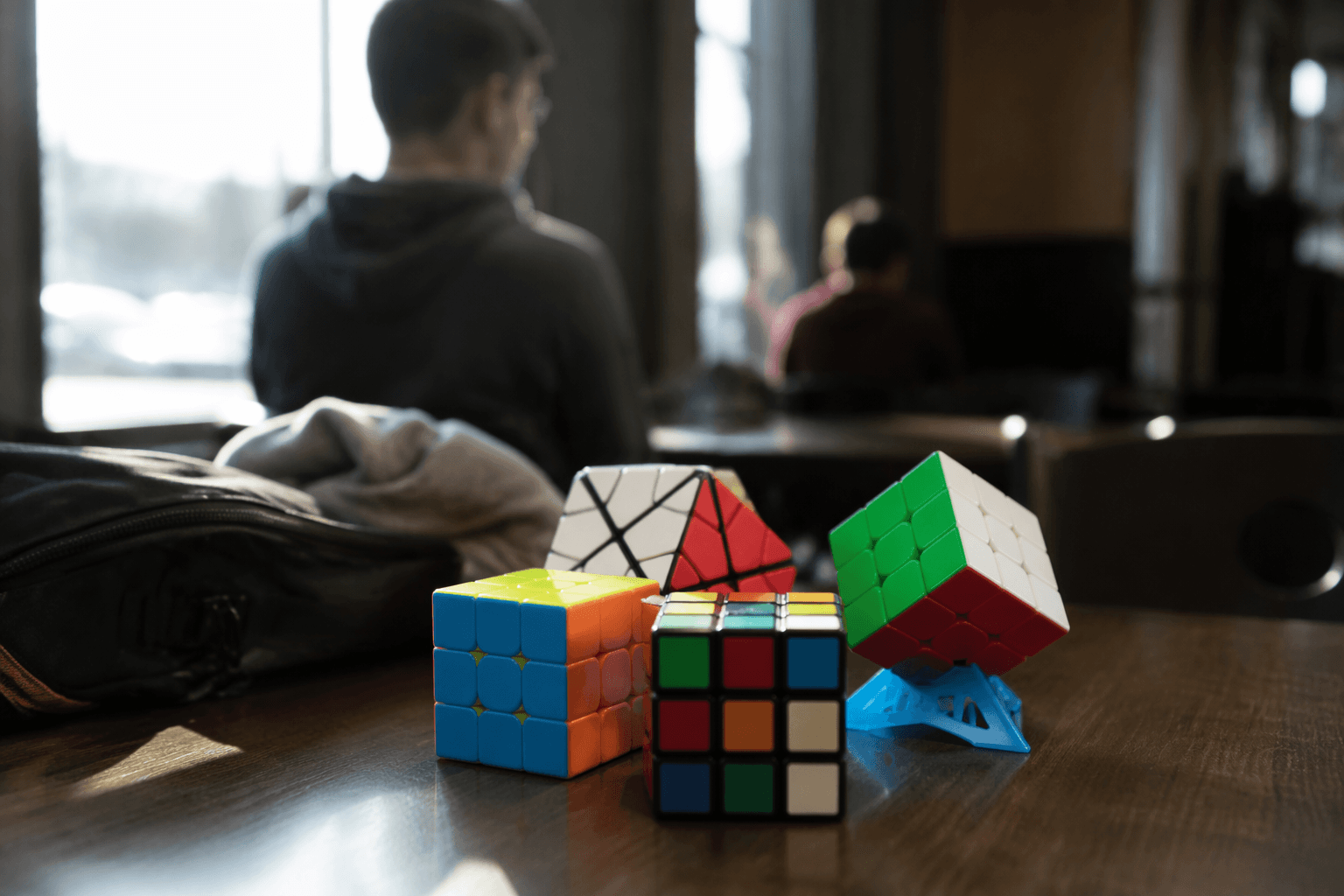
SpeedSolving.com calls itself the world’s largest puzzle community, and its wiki says it complements a community of 35,000+ solvers and includes 1,633 articles. It is a big archive and a piece of infrastructure: a place where a beginner can arrive with one question and leave with a map of the hobby.
The page also handles the hobby’s culture. It shows that speedcubing has a community grammar, but it does not use that grammar to keep beginners out. Instead, it gives them enough of the language to join in, ask better questions, and understand how other cubers talk about practice without pretending they need to sound advanced on day one.
From first solve to sanctioned comp
The Rubik’s Cube was invented in 1974 by Ernő Rubik, with production beginning in Hungary in late 1977 and small numbers reaching mathematicians in the West in 1978. The hobby now has both a deep history and a formal competitive structure.
The WCA was started in 2004 by Ron van Bruchem and Tyson Mao to expand speedcubing’s popularity and standardize competition rules and delegation. That standardization turns casual improvement into a recognized sport, and beginner education is part of the competition pipeline rather than a side note. The WCA’s competitor resources include an official competitor tutorial, which gives a new solver a structured next step after learning the basics.
The WCA billed its 2025 World Championship in Seattle as welcoming a record number of competitors and as the 12th World Championship in Seattle, USA. The hobby is large enough to have a serious competitive circuit, but it still depends on welcoming first-timers.
Why the on-ramp works
The SpeedSolving.com beginner page does not treat confusion as failure, and it does not pretend the hobby is simple. It gives new cubers a first solve, a few names to recognize, a forum to visit, and a reminder that the rest can come in stages.
This article was produced by Prism’s automated news system from verified source data, official records, and press releases, then run through automated quality and moderation checks before publishing. The system is built and supervised by the people who set the standards it runs under. Read our full AI policy.
Did this article answer your question?