East Hampton Tennis Club’s tax status reveals private member model
East Hampton Tennis Club’s 501(c)(7) filing shows a member-first model, where access is controlled and summer trial memberships are the real on-ramp.
In the Hamptons, the biggest tennis question is often not whether the courts are good. It is who gets on them, when, and under what rules. East Hampton Tennis Club’s tax status makes that answer clearer: this is a private, member-oriented operation, built to serve its own community first, not a public drop-in crowd.
What the tax status tells you
ProPublica lists East Hampton Tennis Club Inc. as a 501(c)(7), the federal category for social and recreational clubs. The nonprofit profile says the club has been tax-exempt since June 1970 and carries EIN 13-2644150, and it also notes that donations are not tax deductible. That matters because it places the club in the same broad lane as other member clubs that exist for recreation and social use, not charitable tennis programming.
The club’s own language reinforces that point. East Hampton Tennis Club says it is a private cooperative tennis club established in 1969, and its Instagram bio repeats that it is a private, cooperative tennis club in East Hampton, NY. It also says it is the only official account on Instagram, which is a small branding detail but an important one in a place where club identity can blur quickly between official channels, seasonal chatter, and borrowed prestige.
Why access works differently here
A 501(c)(7) club does not behave like a municipal complex or a charity-backed tennis program. It is structured around the people who belong to it, which means court access, scheduling, and the rules for participation are all tied to membership rather than open public demand. At East Hampton Tennis Club, that private structure is visible in the club’s membership language: it welcomes new members of all abilities, including individuals, couples, and families.
The most revealing detail is the club’s one-time Summer Membership offering. The membership page says limited Summer Memberships are offered each year so prospective members can enjoy the full club experience on a trial basis. That is the Hamptons version of a controlled doorway: you are not buying a casual afternoon on a public court, you are being given a seasonal entry point into a private system.
For players, that changes the practical equation. A summer renter looking for a quick hit may find the club far less fluid than a public court in Springs, while a full-time resident who wants continuity through the season may see value in a membership structure that gives access to the same courts, clubhouse, and routines all summer long. The club model is built to decide who gets in, how often, and on what terms.
Why ownership shape matters to price and waitlists
The cooperative, member-facing model also helps explain why Hamptons clubs can feel so different from one another even when they look similar from the road. In a member-run or member-focused club, pricing is not just a matter of court time. It is tied to upkeep, staffing, surface care, clubhouse operations, and the balance between keeping the club stable and keeping it desirable.
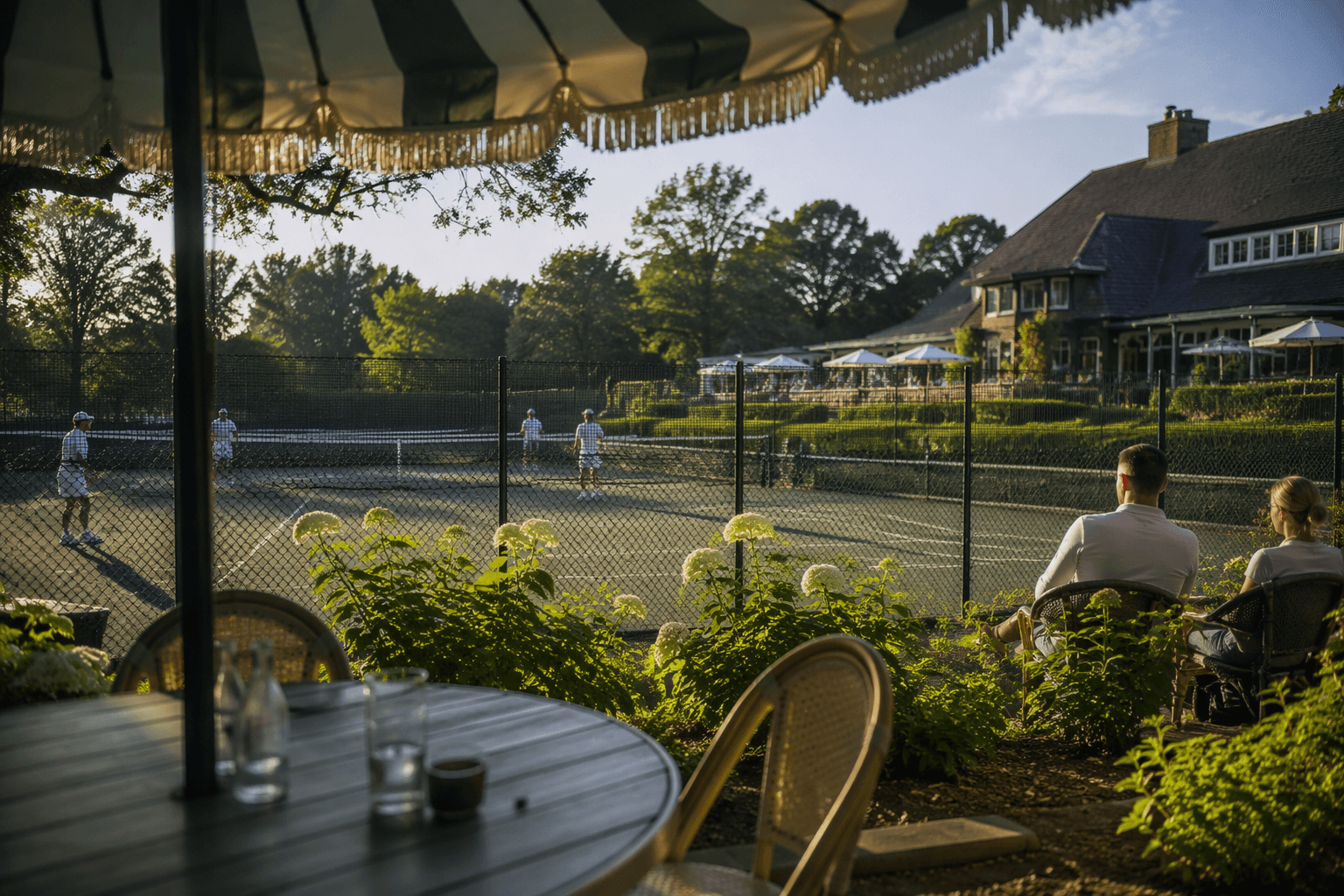
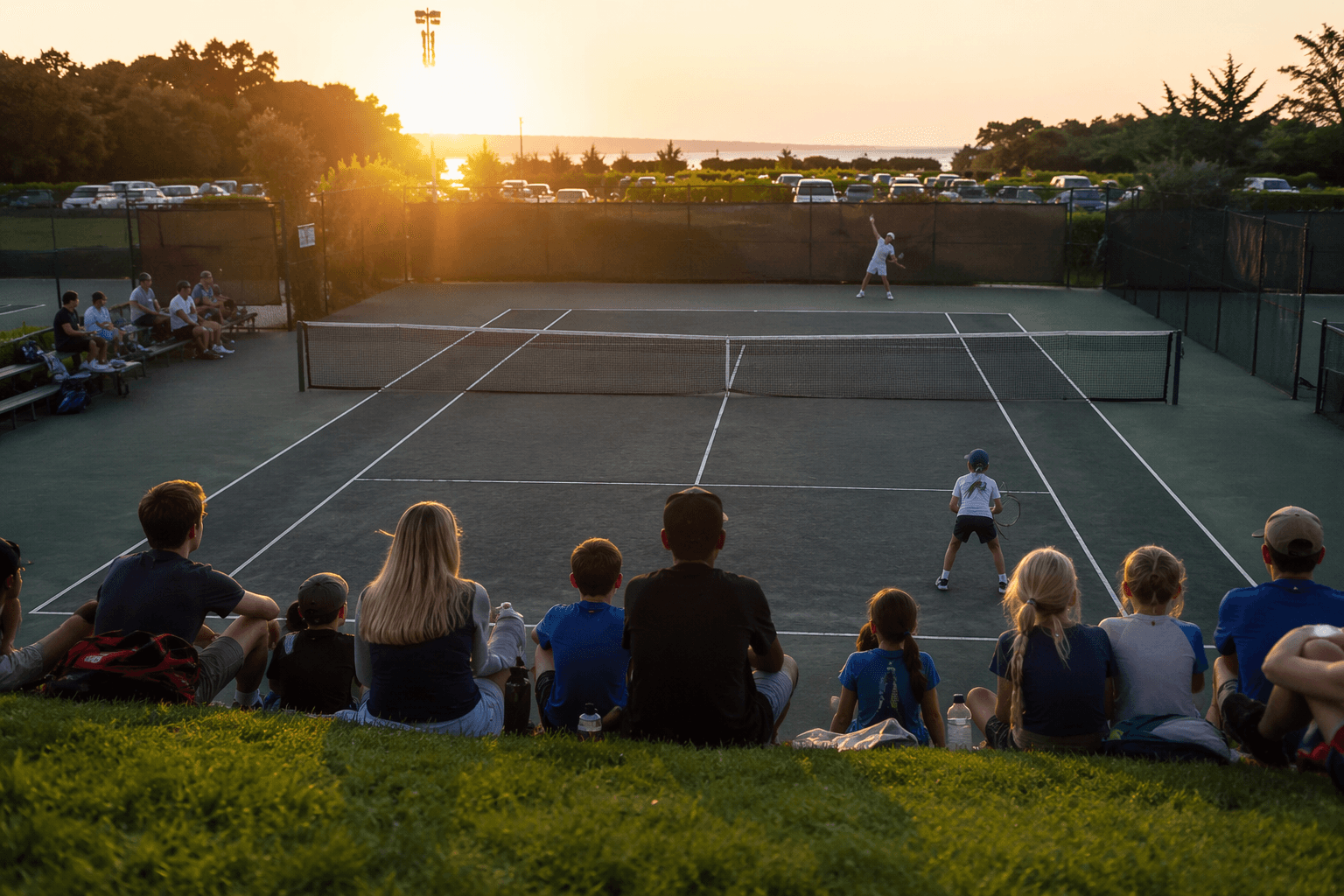
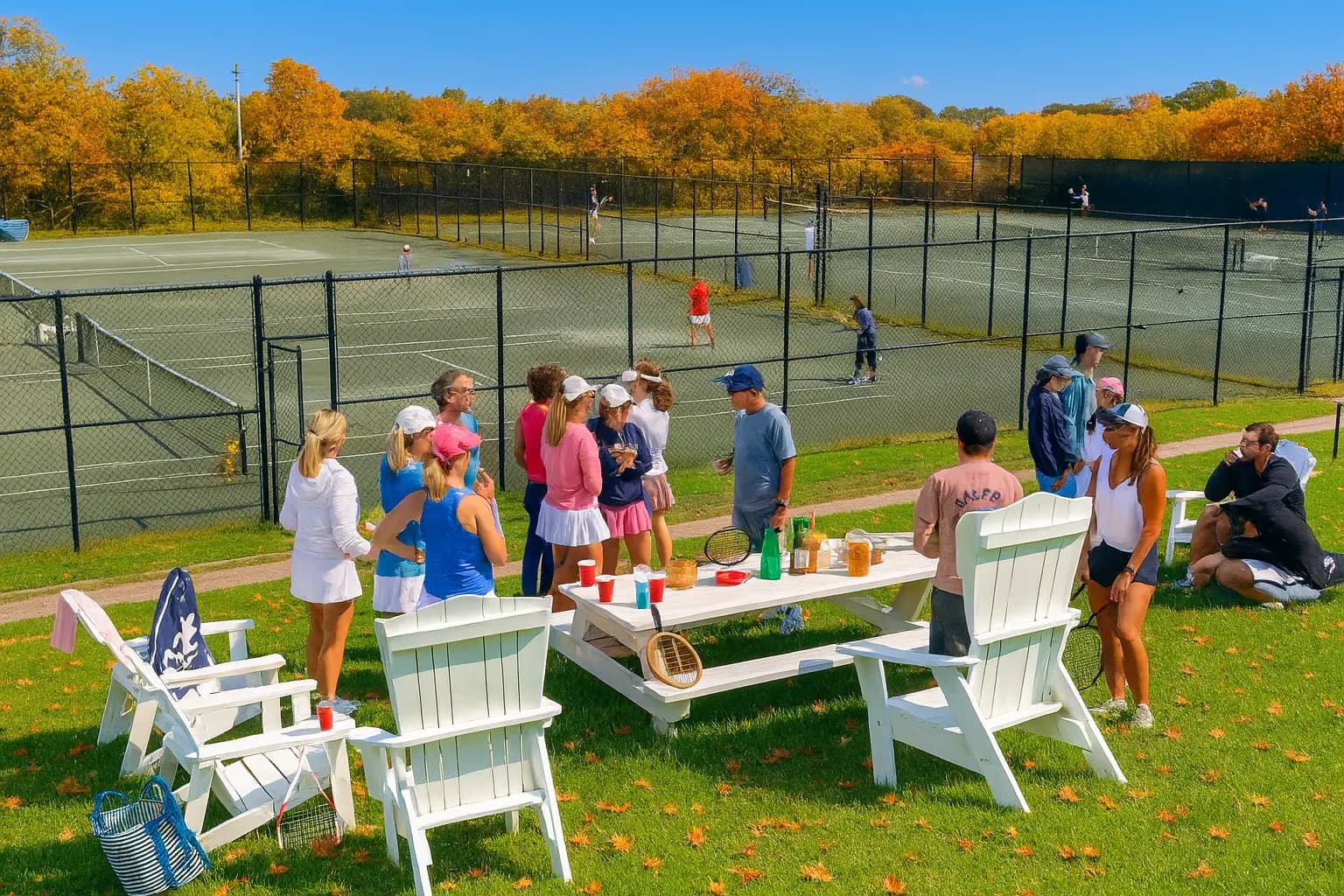
That is especially true on the East End, where outdoor tennis is seasonal and court surfaces need consistent care. East Hampton Tennis Club’s setup, with 15 outdoor Har-Tru tennis courts, two year-round paddle tennis/pickleball courts, and a clubhouse, suggests a property that needs a dependable membership base to keep the lights on and the clay-green surface in playable shape. The limited Summer Memberships also hint at scarcity, which is exactly how waitlists and controlled access tend to emerge in private club culture.
Even without a public price sheet in the club’s marketing language, the structure tells you the economics are member-driven. In a 501(c)(7), the money is generally about sustaining the club experience, not underwriting charitable outreach. That is why these clubs often feel more governed than transactional, with membership timing, renewal cycles, and invitation paths carrying as much weight as the backhand volley.
How it differs from a typical seasonal tennis club
East Hampton Tennis Club is not the only way to play in the area, and that is part of the story. East Hampton Indoor Tennis says it has been the premier tennis facility in the Hamptons since 1995, and its offerings show a different kind of access model: indoor and outdoor tennis memberships, platform tennis memberships in the fall and winter, plus discounts on lessons, clinics, and court rentals during the indoor season. That is a more service-forward approach, built to keep players on court across seasons rather than primarily inside a private member circle.
The town also keeps public access in the picture. East Hampton Town’s tennis information page lists public tennis courts in Springs, which is the clearest reminder that Hamptons tennis is not one monolithic club scene. Public courts, indoor memberships, cooperative clubs, and seasonal programs all coexist within a small geography, and each one serves a different player need.
That layered setup is why ownership structure matters so much. A public court answers one problem, a seasonal membership another, and a private cooperative club like East Hampton Tennis Club answers a third: continuity for people who want to belong to the same place year after year. Long Island Tennis Magazine’s 2025 piece, Tennis in the Hamptons 2025, shows the subject is still current, not just nostalgic, because the local tennis market keeps evolving around how people actually live here, summer by summer.
What the East Hampton model signals for players
The club’s own description makes the social side easy to miss if you only look at the courts. It calls itself collegial, says it welcomes individuals, couples, and families, and positions the Summer Membership as a trial rather than a shortcut. That combination points to a club where access is selective but not frozen, and where the membership experience is part of the value, not just the tennis inventory.
For East Hampton players, that distinction is the whole game. A club with 15 outdoor Har-Tru courts and two year-round paddle tennis/pickleball courts is not just selling court time, it is selling a controlled community around court time. In a place where wind, sand, and the calendar shape nearly every match, the tax status, the cooperative language, and the limited summer on-ramp all point to the same thing: this is a private member model first, and a tennis venue second.
This article was produced by Prism’s automated news system from verified source data, official records, and press releases, then run through automated quality and moderation checks before publishing. The system is built and supervised by the people who set the standards it runs under. Read our full AI policy.
Did this article answer your question?