Hampton Racquet expands 2026 season with tennis, family programming, wellness
Hampton Racquet is pitching summer 2026 as a full-day family base, with clay-court tennis, junior clinics, camp, wellness, and food all built into one East Hampton season.
Hampton Racquet is trying to answer a familiar Hamptons summer question: how do you keep one household moving from morning through late afternoon without bouncing between clubs, camps, and cafes? The East Hampton property is framing its 2026 season as more than tennis, pairing court time with family programming, wellness, food, and other racquet sports. Its message is clear: this is meant to work like a daytime base, not just a place to book a court.
The club’s season runs from June 1 through September 4, and its homepage points to a full schedule of sports, tournaments, and events. Hampton Racquet also says it welcomes players back for the season and describes itself as a place that can feel like a second home. That pitch fits the way the club is presenting its newly refined memberships, with a broader summer experience built around both play and time on site.
Court time still anchors the club
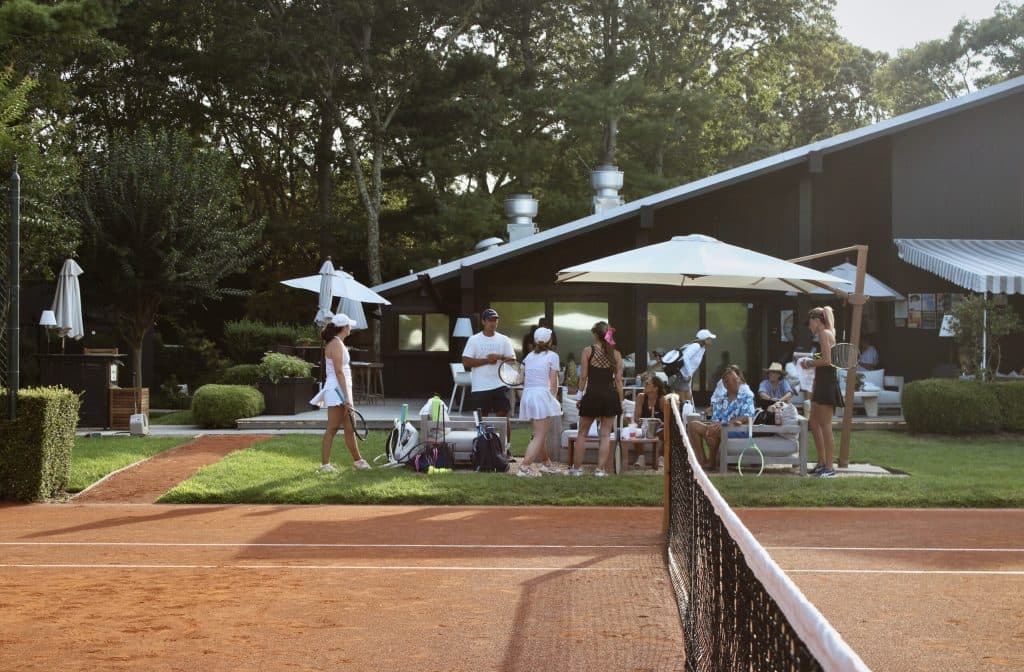
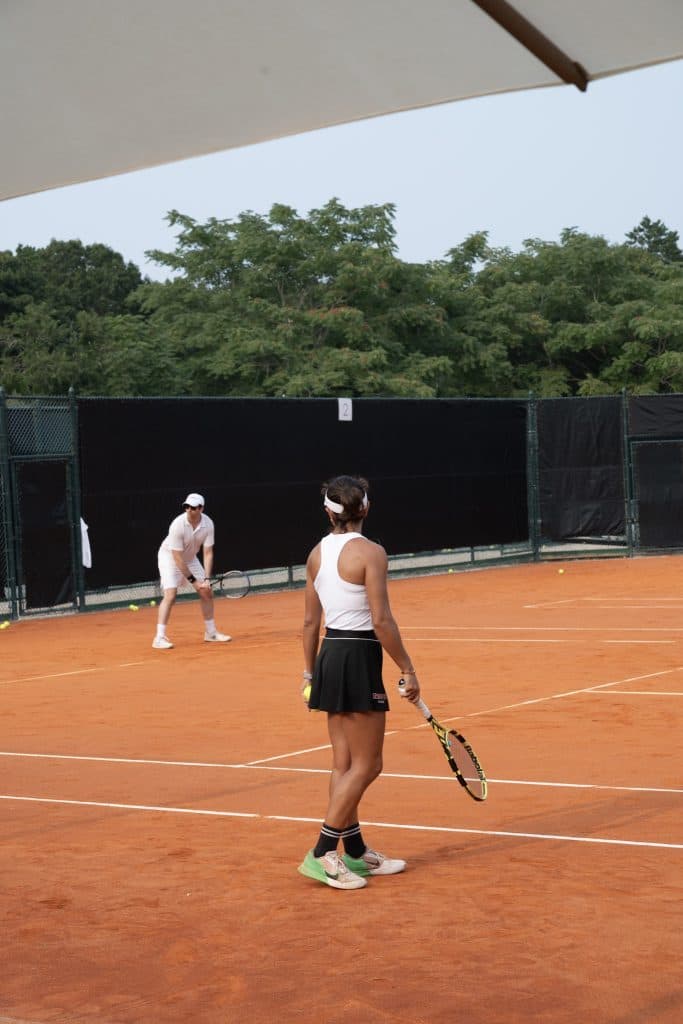
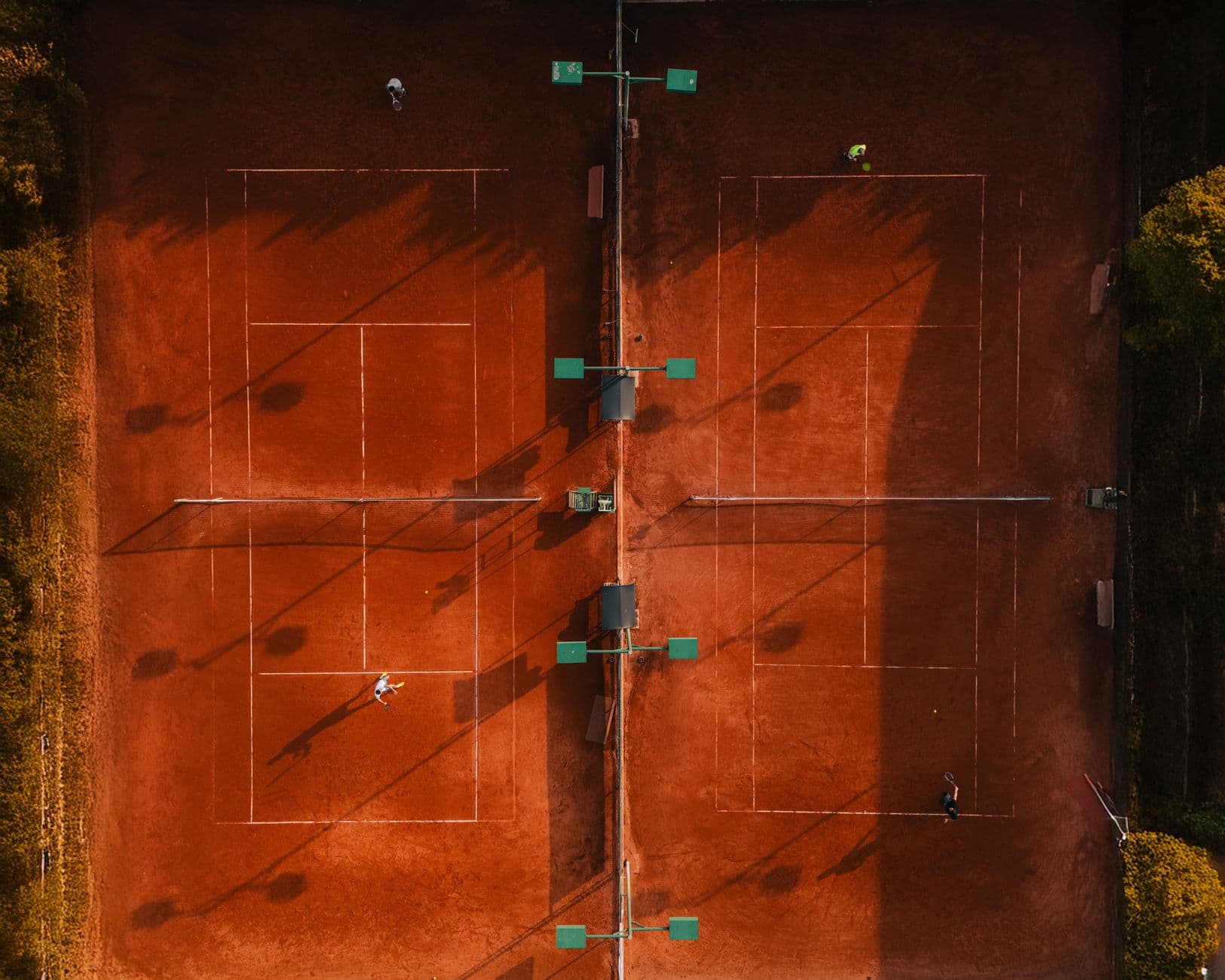
Even with the expanded programming, tennis remains the center of gravity. Hampton Racquet says its facility features two red clay courts and eight Har-Tru Green Clay courts, giving players a mix of surfaces across the season. The tennis side also includes private lessons, clinics, court rentals, events, and tournaments, so the club is set up for everything from a quick hit to a more organized training block.
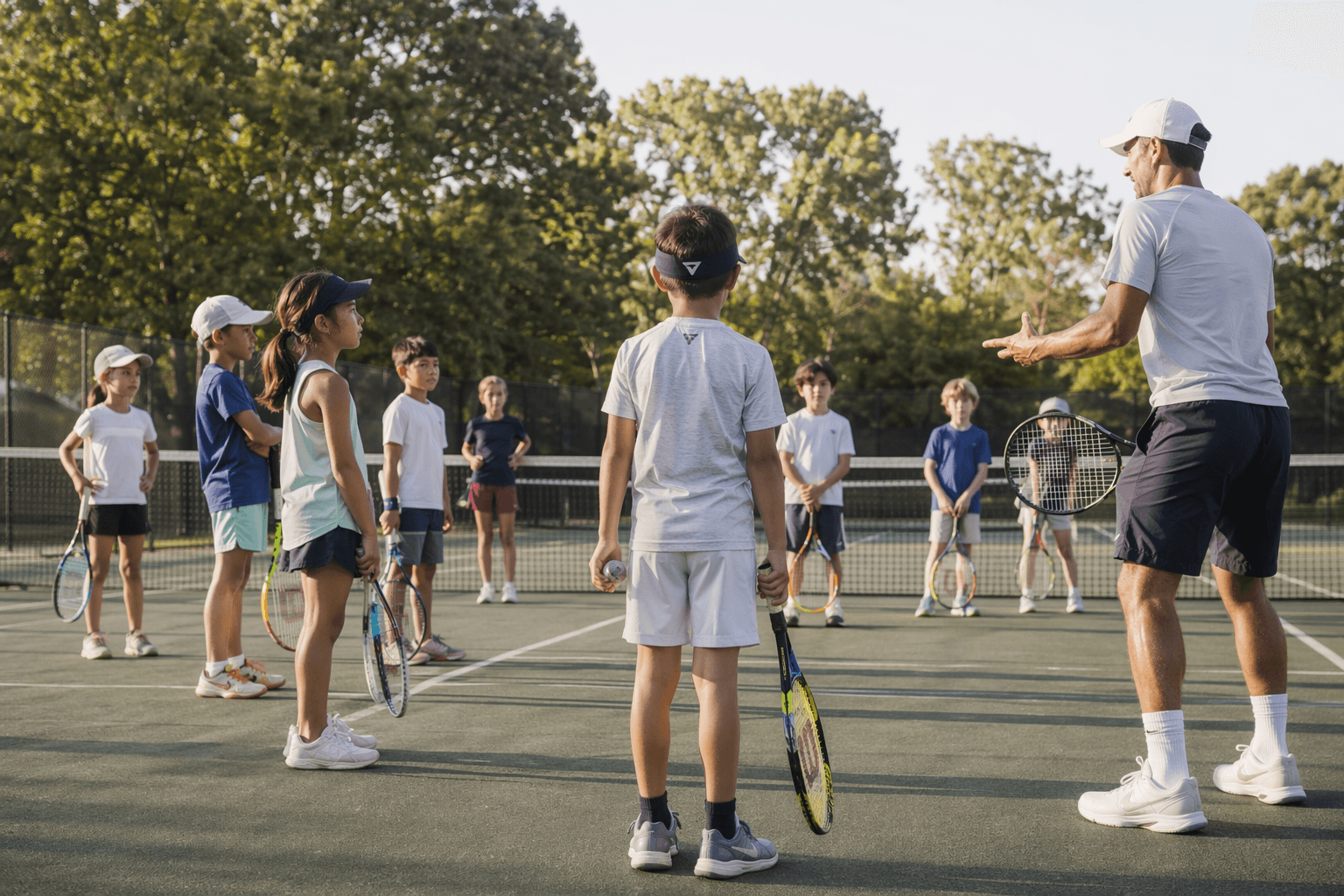
For juniors, the clearest sign that the club is taking development seriously is the youth high-performance clinic schedule. Those sessions are listed for Mondays, Wednesdays, and Fridays from 4 p.m. to 6 p.m., which gives competitive players a repeatable summer routine instead of a loose drop-in format. In practical terms, that makes Hampton Racquet look less like a vacation stop and more like a place where serious players can keep building form while families are out in the Hamptons.

The location reinforces that role. Hampton Racquet sits at 172 Buckskill Road, East Hampton, NY 11937, right in the middle of a local racquet scene that is already crowded and increasingly specialized. For players and parents deciding where to spend a summer afternoon, the draw is not just the courts themselves, but the chance to keep a whole schedule in one place.
The bigger play is off the baseline
What makes the 2026 refresh notable is how deliberately the club is reaching beyond tennis. Hampton Racquet says it is expanding into beach tennis, table tennis, badminton, and Typti, which pushes the property toward the feel of a racquet-sports campus rather than a single-discipline club. That broader mix matters for households that do not all want the same thing at the same time, especially when one child is training, another wants a lighter game, and adults want something that is active but not necessarily competitive.
The kids camp shows that strategy in its most complete form. Hampton Racquet’s Summer Camp 2026 combines tennis, padel, beach tennis, arts and crafts, yoga, stretching, chess, laser tag, and more, all within the June-to-September season window. The club says campers are not only improving racquet skills, but also building confidence, respect, and teamwork, which makes the camp feel like a full-day answer rather than a narrow sports program.
The wellness and food pieces round out that experience. Hampton Racquet promotes an outdoor gym and fitness area, yoga and Pilates sessions, and a kitchen and cafe, so the club is clearly trying to keep people on site before and after court time. That is a meaningful shift from the classic tennis-club model, where the day often ends as soon as the last set is over. Here, play is only one part of the visit.
What the memberships signal
The membership numbers make the club’s target audience plain. Hampton Racquet lists summer pricing at $3,000+ for an individual membership and $6,000+ for a family membership, which places the club squarely in the seasonal household market. Those figures are not just about access to courts; they support the club’s broader promise of racquet sports, wellness, and community in one place.
That pitch is tied directly to the way the club talks about its identity. On its John’s Legacy page, Hampton Racquet says John built the club over the years and that it aims to carry forward his values of generosity, kindness, fun, and authenticity. The homepage also frames the season in memory of John and what he built, which gives the refreshed membership model a personal and local feel rather than a purely commercial one.
That emotional layer matters because it helps explain why the club is leaning so hard into being a destination. A summer membership is not being sold as a pass to a few courts; it is being presented as a way to anchor family time around a place with history, purpose, and a broader daily rhythm.
How it fits the Hamptons racquet map
The comparison with East Hampton Indoor Tennis shows why this strategy makes sense. East Hampton Indoor Tennis says it has been operating since 1995 and lists 6 indoor courts, 18 outdoor courts, 2 platform/pickleball courts, and 3 padel courts. In a market with that kind of court inventory, Hampton Racquet does not need to win by being the biggest. It is leaning into a different value: a more intimate, family-first outdoor experience that blends tennis with camp, wellness, and other racquet sports.
That is what makes Hampton Racquet’s 2026 season feel like a real shift rather than a branding exercise. The club still starts with clay courts and tennis instruction, but the rest of the property is being built to keep the day moving, from junior clinics and camp to yoga, food, and cross-training games. For Hamptons families looking for one place to train, eat, recover, and keep kids busy, that is the promise now taking shape at 172 Buckskill Road.
This article was produced by Prism’s automated news system from verified source data, official records, and press releases, then run through automated quality and moderation checks before publishing. The system is built and supervised by the people who set the standards it runs under. Read our full AI policy.
Did this article answer your question?